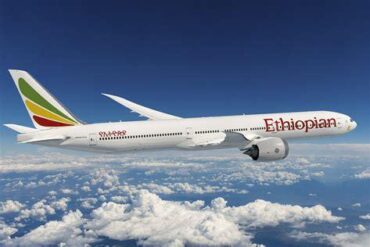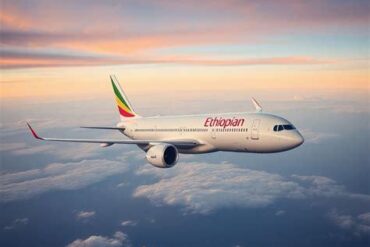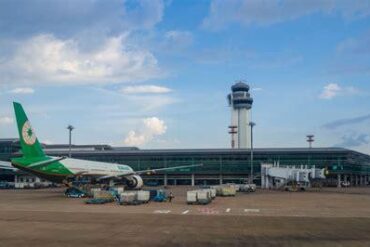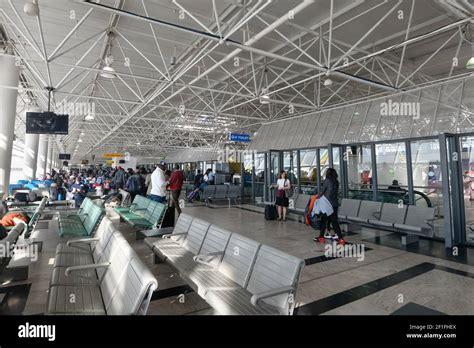
Addis Ababa Bole International Airport (IATA: ADD, ICAO: HAAB) stands as the principal international gateway to Ethiopia, located just 6 km southeast of the bustling city center in the Bole district. Positioned at an altitude of 2,334 meters (7,625 feet), this airport is not only a critical hub for Ethiopian Airlines but also a cornerstone of East African aviation. Formerly known as Haile Selassie I International Airport, it has grown significantly over the decades, now handling nearly 380 flights daily, supporting millions of passengers annually, and serving as a key connection point for Africa, Asia, Europe, and the Americas.
A Historic Evolution: From Short Runways to a Major International Hub
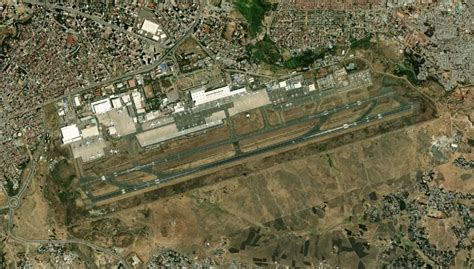
The history of Addis Ababa Bole International Airport is one of continuous growth and adaptation. Originally, Ethiopian Airlines operated out of Lideta Airport, but the arrival of larger jet aircraft like the Boeing 720 in the early 1960s revealed the limitations of the old runway. In response, construction of a new, larger airport began in Bole in the early 1960s. By December 1962, the new runway and control tower were operational, marking the airport’s official shift to a modern aviation facility.
The first major expansion occurred in 1997, addressing the need for greater capacity and modern infrastructure. This expansion was completed in three phases, each strategically designed to enhance the airport’s operational capabilities:
- Phase One: Addition of a parallel runway and extension of the old runway, creating a layout capable of supporting large aircraft like the Boeing 747 and Airbus A340.
- Phase Two: Construction of a new terminal, complete with extensive passenger amenities, shopping complexes, and dining options, aimed at creating a more seamless passenger experience.
- Phase Three: Erection of a towering 38-meter (125 ft) control tower, double the height of the previous structure, equipped with state-of-the-art electrical and fire-fighting systems. This phase also included improved taxiways and infrastructure to support heavier, wide-body aircraft.
Major Developments: Modernizing to Meet Global Standards
In 2003, Bole International Airport took a significant leap forward with the opening of its new international terminal, one of the largest in Africa. This 43,000 square meter facility, capable of handling approximately 3,000 passengers per hour, cost 1.05 billion birr (approximately $130 million). It dramatically transformed the airport’s capacity and service quality, making it a critical hub for East African air travel.
Further upgrades continued through the 2000s. In 2006, a new cargo terminal and maintenance hangar were completed, significantly boosting the airport’s logistics capabilities. This facility, costing 340 million birr, allowed Ethiopian Airlines to expand its cargo operations, accommodating three to four large aircraft simultaneously. Notably, the airport also played a role in the development of the Airbus A380, hosting critical high-altitude engine tests for the GP7200 engines.
Between 2010 and 2012, the airport saw yet another major expansion, this time focused on increasing its aircraft parking capacity. The apron was expanded to accommodate 44 aircraft, easing congestion and aligning with the airline’s ambitious “Vision 2025” growth plan. This expansion also included new ramps capable of handling 24 and 14 additional aircraft, further enhancing operational efficiency.
Ongoing and Future Expansion: Scaling Up for the Future
With passenger demand continuously rising, Bole International Airport remains committed to expanding its capacity. Current projects aim to increase the airport’s total capacity to 60 million passengers per year by 2029. These developments include ongoing terminal expansions, upgraded runway systems, and enhanced cargo facilities, ensuring the airport remains competitive in the global aviation market.
Additionally, there are plans for a completely new international airport in Mojo, approximately 65 kilometers south of Addis Ababa. This project, once completed, will complement Bole’s operations, positioning Ethiopia as a major hub for both passenger and cargo traffic in Africa.
Facilities: World-Class Amenities for a Superior Passenger Experience
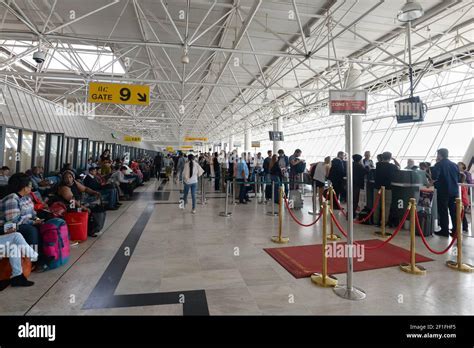
Bole International Airport boasts two main terminals with a combined 11 gates and over 30 remote stands. Terminal 1 primarily serves domestic and regional flights, while Terminal 2 handles international traffic, including long-haul services to Europe, Asia, and the Americas. These terminals are designed to provide a premium passenger experience, featuring extensive dining options, duty-free shopping, and advanced baggage handling systems.
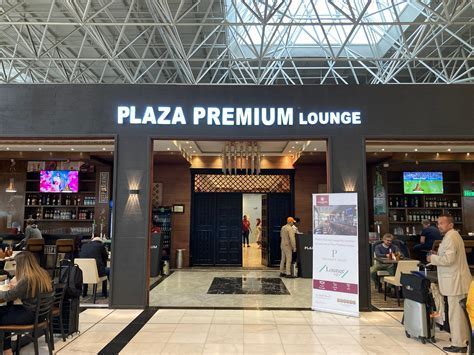
The airport’s Cloud Nine Business Class Lounge, introduced in 2012, is a standout feature, offering luxury amenities like private sleeping cots, massage chairs, high-speed Wi-Fi, and even a traditional Ethiopian coffee corner. This lounge is part of the broader “Vision 2025” plan to enhance the premium travel experience at Bole.
Airlines and Destinations: A Global Network
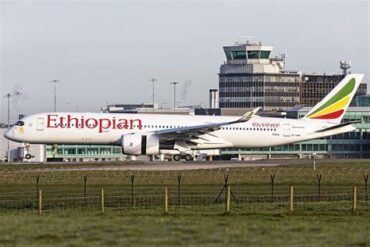
Addis Ababa Bole International Airport serves as a major hub for Ethiopian Airlines, which connects passengers to destinations across Africa, Asia, Europe, and the Americas. In addition to its flagship carrier, the airport also hosts several international airlines, including Emirates (Dubai), Qatar Airways (Doha), Turkish Airlines (Istanbul), Kenya Airways (Nairobi), and EgyptAir (Cairo), making it one of the busiest and most connected airports in Africa.
Cargo Operations: Supporting Global Trade
The airport’s cargo operations are equally robust, with dedicated facilities supporting major freight carriers like Emirates SkyCargo, Ethiopian Cargo, Saudia Cargo, and Turkish Cargo. These services connect Addis Ababa to key global markets, supporting Ethiopia’s growing role in international trade.
Safety and Incident History
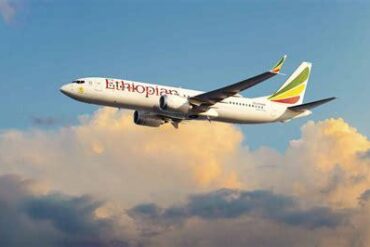
Like any major airport, Bole has faced its share of challenges. Notable incidents include the 1972 crash of an East African Airways Super VC-10, the 1980 Ethiopian Airlines Douglas C-47 crash, and the 2019 tragedy of Ethiopian Airlines Flight 302, which contributed to the global grounding of the Boeing 737 MAX fleet.
As the airport continues to expand, its focus on safety and operational excellence remains a top priority, ensuring it remains a critical hub in global aviation for decades to come.