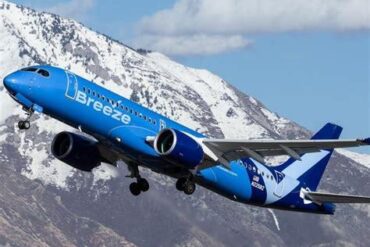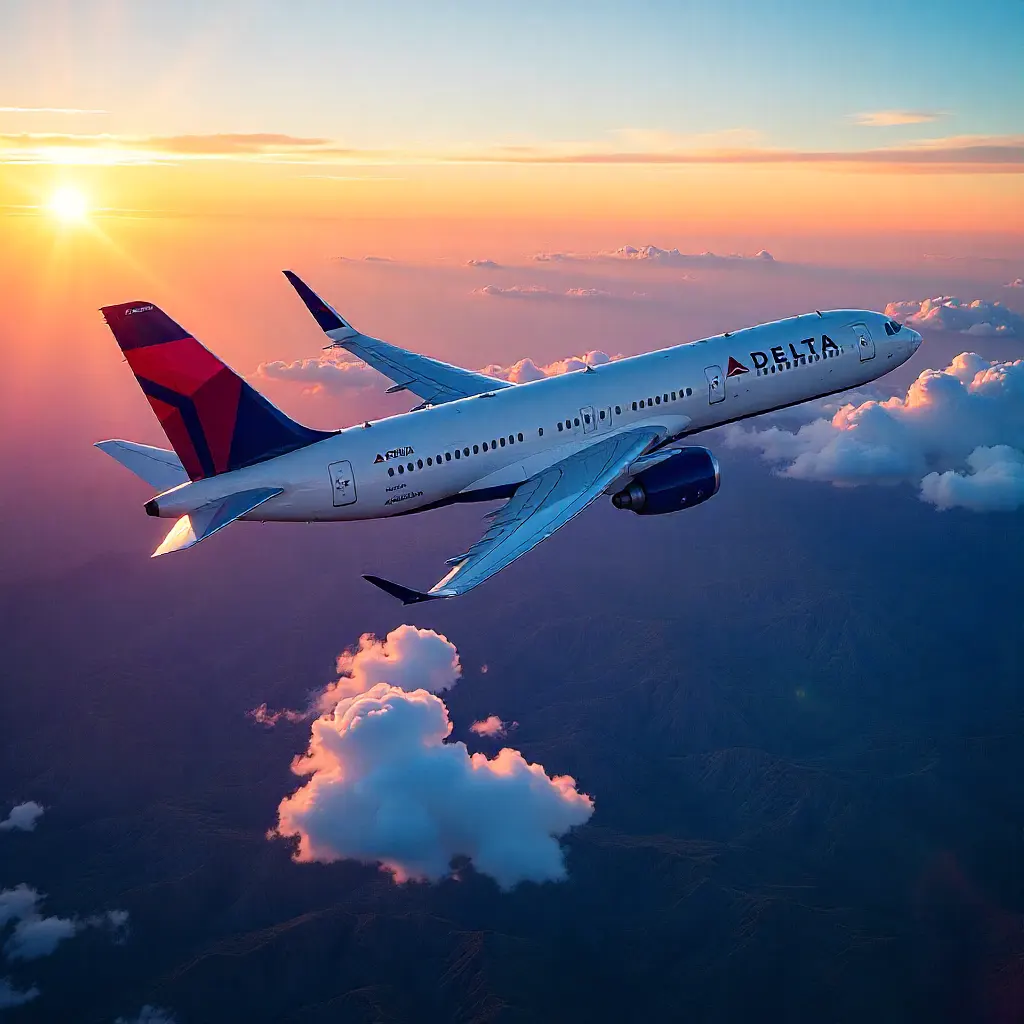
Utah is charting a bold new course in international aviation and trade with the launch of Delta Airlines’ first-ever nonstop flight from Salt Lake City to Lima, Peru, beginning on December 4, 2025. In a sweeping show of connectivity and economic foresight, Delta joins the ranks of American Airlines, United, LATAM, Avianca, and Copa Airlines, all of which now offer service between Utah and Peru — turning what was once a distant connection into a direct and strategic lifeline.
A Strategic Milestone for Utah’s Global Reach
This development signals far more than just convenience for passengers. It represents a pivotal shift in Utah’s international engagement, specifically with South America. Peru has been a longstanding partner in Utah’s trade landscape, and the establishment of nonstop flights cements a relationship that extends across cultural, economic, and industrial boundaries.
In recent years, Utah has intensified its global trade activity, and Peru has become a key contributor to that growth. Imports from Peru range from primary metals and textiles to high-end fashion and automotive feedstock materials, while Utah exports to Peru include machinery, processed foods, and electronics. The new nonstop flight dramatically enhances this bilateral exchange, cutting down time, cost, and complexity.
Speed and Freshness: Trade Benefits Soar with Direct Access
Peru’s export economy is heavily reliant on agriculture, particularly time-sensitive produce such as asparagus, grapes, and avocados. Before the new route, these perishables often faced delays during layovers and handling, degrading both quality and market value. Now, direct air freight from Lima to Salt Lake City will drastically reduce transit time, enabling fresher deliveries and more stable supply chains.
For Utah’s industries — including aerospace, construction, and mining — this streamlined logistical pipeline means faster access to materials and less reliance on intermediate hubs. The direct connection is a logistical breakthrough that redefines Utah’s position in the international supply chain.
Strengthening Cultural Bridges: Peru’s Community in Utah
Beyond economics, the new flight route reinforces deep-rooted cultural bonds. With an estimated 30,000 Peruvian nationals residing in Utah, the connection between the two regions has long been personal and profound. The establishment of a full-time Peruvian consulate in Utah, one of only three in the state alongside Mexico and El Salvador, underscores the importance of this bond.
This connection will be enriched through increased cultural exchanges, community engagement, and family visits. Peruvian festivals, art exhibits, and culinary events are expected to become even more prominent across Utah, supported by easier and more frequent travel between the two regions.
Tourism Transformed: South Americans Discover Utah’s Alpine Wonders
Tourism is another major winner. The new nonstop service opens up Utah’s renowned ski resorts, national parks, and scenic high deserts to a broader South American audience. Winter sports, a niche market in much of Latin America, will now be more accessible to Peruvian tourists seeking new adventures.
Conversely, Utah residents will have faster access to Peru’s iconic destinations like Machu Picchu, Cusco, and the Sacred Valley. The expected two-way surge in tourism will inject millions into local economies on both sides of the hemisphere.
Educational Exchange: Academic Ties Set to Deepen
Utah is also home to a number of universities with growing international programs. Brigham Young University (BYU) in particular has hosted hundreds of Peruvian students over the years. With the ease of direct travel, both student enrollment and faculty collaboration are expected to rise. Research programs in agriculture, mining, linguistics, and anthropology will benefit directly from the enhanced mobility.
Educational exchange also extends to Utah-based institutions conducting outreach or studies in South America. These partnerships now have a more reliable conduit to facilitate workshops, fieldwork, and transnational projects.
Utah’s Economic Ascent: Delta Airlines Anchors Confidence
The decision by Delta Airlines to invest in this new route is a clear vote of confidence in Utah’s emerging role as an economic hub. With Salt Lake City International Airport undergoing expansions and already accustomed to handling high-altitude cargo operations, the infrastructure is well-positioned to support this international leap.
Delta’s move is already catalyzing interest from other carriers, with American, United, LATAM, Avianca, and Copa Airlines also joining the corridor. This collective presence amplifies competition, affordability, and service availability, making the route sustainable and scalable.
The first phase of Delta’s flight schedule runs through January 26, 2026, offering daily service. Early performance metrics will likely inform decisions about longer-term operations, but the strong initial interest from businesses and travelers suggests a high-likelihood of permanence and growth.
A Turning Point in Utah’s International Story
According to Jonathan Freedman, CEO of World Trade Center Utah, this is more than a new flight; it’s a new narrative arc for the state. Freedman, who has firsthand experience importing Peruvian textiles through his business Downeast Outfitters, emphasized how essential speed and direct access are in today’s market.
“Lima is only four days by sea from Los Angeles,” Freedman said. “But air travel — especially direct flights — is a game-changer for managing margins and supply chain seasonality. It’s almost as quick as importing from Mexico.”
That kind of efficiency can dramatically shift the landscape for small and medium-sized Utah businesses seeking to diversify their supply chains beyond Asia and North America. The Lima route is an invitation for entrepreneurs to explore new sourcing and selling opportunities.
Infrastructure and Seasonal Optimization
Salt Lake City International Airport is well-suited to handle this route, especially given its adaptability to temperature-sensitive cargo and passenger services. While high temperatures in summer months can limit cargo loads, the colder months align with peak Peruvian agricultural export seasons, making the winter-spring window ideal for freight.
This seasonal alignment ensures that the route will have strong freight performance during its first operational months, reinforcing its viability and value to stakeholders in logistics and trade.
A Platform for Deeper Ties
The Salt Lake City–Lima connection represents a foundation upon which future partnerships, policy cooperation, and economic frameworks can be built. As trade data improves and demand stabilizes, Utah may consider further diplomatic and business development missions to Peru. Similarly, Peruvian chambers of commerce and cultural delegations may find new audiences and opportunities in Utah.
The route could eventually serve as a launchpad for further intra-Latin American connections, opening Utah to even more countries through Lima as a strategic hub. With Copa Airlines’ established strength in regional connectivity, additional Latin American markets may soon be within direct reach of Utah’s economy.
Conclusion: Utah and Peru — From Partners to Powerhouses
The newly established nonstop flights between Utah and Peru are not merely a transportation update; they are a transformative leap in economic strategy, cultural diplomacy, and logistical infrastructure. Delta’s leadership in this effort — supported by major global carriers — demonstrates the growing significance of Utah on the global stage.
From the vineyards and textile mills of Lima to the high-tech labs and ski slopes of Salt Lake City, a new narrative is unfolding — one in which two distant yet aligned economies collaborate more directly, trade more efficiently, and connect more meaningfully. This is not just about moving people and products. It’s about moving Utah’s identity closer to the heart of the global economy.