Air India has removed the operating crew of Flight AI479 from flying duties after the aircraft briefly crossed into Pakistani airspace while approaching Amritsar, triggering regulatory scrutiny over an incident that unfolded during a routine runway disruption. Although the Airbus A321 landed safely without injuries, the event has drawn significant attention because Pakistani airspace remains closed to Indian airlines, making even a short border infringement a highly sensitive matter. The incident underscores how operational challenges at border airports can rapidly evolve into complex geopolitical and aviation safety issues.
Air India Flight AI479 Incident Sparks Investigation
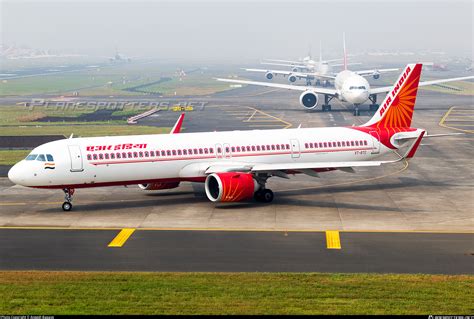
On June 22, Air India Flight AI479 departed Delhi’s Indira Gandhi International Airport on a scheduled domestic service to Sri Guru Ram Dass Jee International Airport in Amritsar. Operated by an Airbus A321, the flight appeared routine until arrival, when an unexpected runway inspection dramatically altered the approach sequence.
The disruption originated after an earlier arriving aircraft reported a bird strike immediately following landing. Airport authorities initiated a precautionary runway inspection to search for debris, temporarily suspending arrivals. As multiple aircraft entered holding patterns awaiting clearance, AI479 became part of an increasingly complex traffic sequence over one of India’s most geographically restricted pieces of controlled airspace.
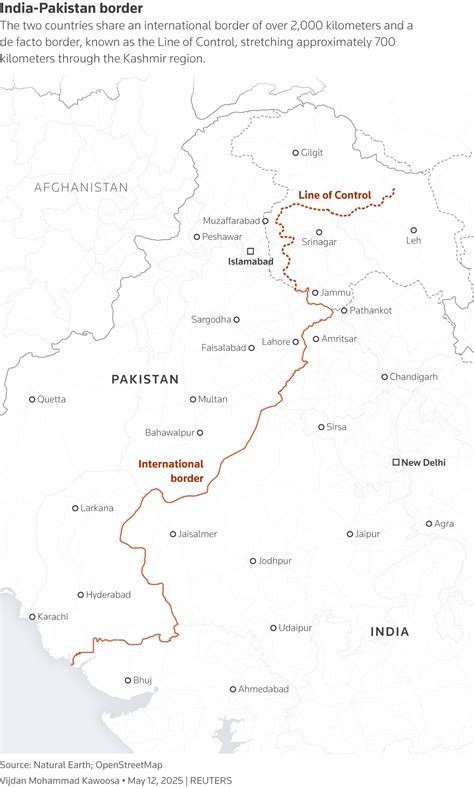
Because Amritsar sits only around 30 kilometers from the India-Pakistan border, aircraft have very little room for maneuvering when neighboring Pakistani airspace is unavailable to Indian operators.
Why Amritsar Is One of India’s Most Challenging Airports
Unlike most major Indian airports, Amritsar operates in exceptionally constrained airspace. The airport serves a metropolitan area exceeding 2.5 million residents while simultaneously functioning as an important international gateway connecting northern India with Europe, Southeast Asia, and the Middle East.
Its strategic location creates operational challenges rarely encountered elsewhere. Pakistan’s city of Lahore lies only about 50 kilometers away, meaning international boundaries exist just minutes from normal arrival and departure paths.
During the 2026 summer schedule, the airport accommodates more than sixty daily flights, including long-haul services operated by Air India to the United Kingdom alongside flights from numerous international and regional airlines. Under normal conditions, controllers carefully sequence arriving aircraft within narrow corridors. Any interruption—whether weather-related, wildlife-related, or technical—reduces already limited maneuvering space.
The temporary runway closure following the reported bird strike therefore had consequences extending well beyond simple delays, forcing controllers to manage several aircraft inside tightly confined airspace.
Aircraft Briefly Crosses Into Pakistani Airspace
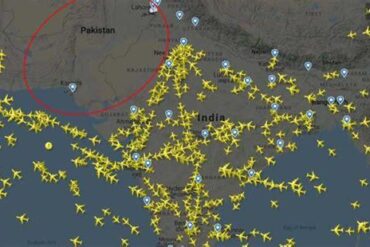
Following completion of the runway inspection, arriving traffic resumed. During radar vectoring for its approach into Amritsar, Flight AI479 briefly crossed approximately five kilometers into Pakistani airspace before returning to Indian-controlled airspace.
Indian aviation authorities later confirmed that coordination occurred with Pakistani air traffic control during the event. While the border crossing lasted only a short time, the infringement immediately became a matter requiring formal investigation because Pakistan has prohibited Indian-owned and Indian-operated airlines from using its airspace.
According to official statements, the crew subsequently initiated another approach but later declared insufficient fuel reserves to continue repeated attempts at landing. The aircraft diverted safely back to Delhi before eventually completing the journey to Amritsar during the early hours of the following morning.
Air India confirmed the airspace infringement and stated that the matter had been reported to relevant authorities while an internal investigation was launched to determine exactly how the event occurred.
Immediate Consequences for the Flight Crew
Although the flight concluded safely, aviation authorities moved quickly to preserve the integrity of the investigation.
The operating pilots were removed from active flying duties pending the outcome of the inquiry. Reports also indicated that an air traffic control official responsible for operations at Amritsar was temporarily relieved of duty over questions regarding the reporting procedures surrounding the airspace infringement.
Such actions are common during aviation investigations and should not necessarily be interpreted as findings of fault. Regulators frequently suspend operational duties while collecting radar recordings, cockpit communications, flight data recorder information, controller instructions, and surveillance data to establish an accurate reconstruction of events.
Investigators are expected to examine every phase of the approach, including holding instructions, vector assignments, aircraft positioning, controller workload, runway reopening procedures, and fuel management decisions before determining whether procedural or human factors contributed to the incident.
Pakistan’s Airspace Closure Makes Every Border Crossing Sensitive
The significance of the incident extends far beyond a routine navigation deviation because Pakistan has maintained restrictions preventing Indian airlines from using its airspace since April 2025.
The closure followed deteriorating diplomatic relations after heightened tensions between the neighboring countries, prompting reciprocal aviation restrictions. Since then, Indian airlines have been forced to redesign numerous international routes that previously crossed Pakistani territory.
These revised flight paths have increased operating costs considerably. Airlines face longer flying times, higher fuel consumption, greater crew scheduling complexity, payload limitations on some ultra-long-haul routes, and reduced scheduling flexibility.
For carriers such as Air India, these additional operational expenses have accumulated into substantial financial burdens over the past year. Every flight requiring a lengthy detour consumes more fuel while reducing fleet efficiency and increasing operating costs across international networks.
Against this political backdrop, even an accidental border crossing during a domestic flight naturally attracts heightened regulatory and diplomatic attention.
How a Bird Strike Triggered an Unusual Chain of Events
Bird strikes are among the most common operational hazards facing commercial aviation worldwide. Most incidents result in precautionary inspections rather than serious aircraft damage.
In this case, however, the timing proved unusually consequential.
Following the earlier aircraft’s bird strike report, airport officials temporarily halted arrivals while inspectors verified that no debris remained on the runway. This precaution protected subsequent aircraft from potential foreign object damage but also forced several inbound flights into holding patterns.
As aircraft accumulated overhead, controllers needed to resequence arrivals efficiently once operations resumed. At airports with generous surrounding airspace, controllers enjoy considerable flexibility when issuing radar vectors. At Amritsar, however, every turn must account for an international border lying only minutes away.
That combination of temporary congestion, limited maneuvering room, and politically restricted neighboring airspace significantly reduced operational margins during the recovery from an otherwise ordinary runway inspection.
Safe Outcome Offers Important Lessons for Border Airport Operations
For passengers aboard Flight AI479, the incident ended without injuries, mechanical problems, or lasting disruption beyond the diversion and delayed arrival. From a safety perspective, the successful handling of the flight demonstrates the effectiveness of established communication procedures between neighboring air traffic control authorities even during politically sensitive situations.
Nevertheless, the event provides a valuable reminder that geopolitical realities increasingly shape everyday airline operations. Closed airspace no longer affects only long-haul international flights; it can directly influence routine domestic approaches at airports located close to national borders.
As investigators continue reviewing the circumstances surrounding Air India Flight AI479, aviation professionals will likely examine whether additional procedural safeguards, revised arrival routes, enhanced controller coordination, or modified holding patterns could further reduce the likelihood of similar incidents in the future.
The investigation’s findings may ultimately influence operational procedures not only at Amritsar but also at other airports worldwide where commercial aircraft routinely operate near politically sensitive international boundaries.