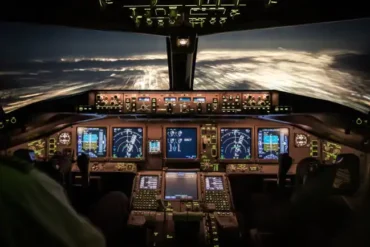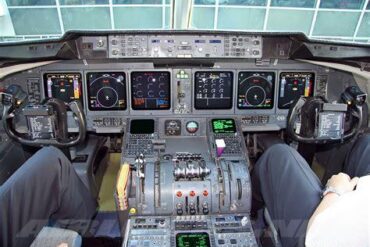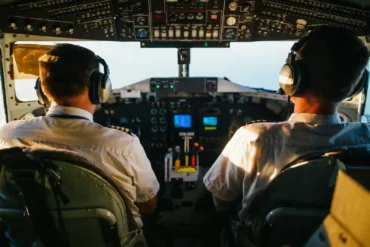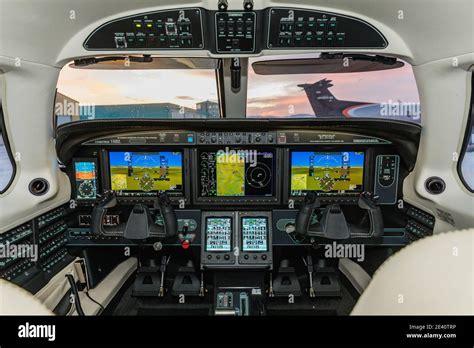
A glass cockpit is an advanced cockpit design where flight data is displayed on Electronic Flight Displays (EFDs) instead of traditional gauges. Two key examples of EFDs are the Primary Flight Display (PFD) and the Multi-Function Display (MFD). The PFD serves as the pilot’s main source of flight information, combining data from multiple instruments into one clear view. The MFD allows for the presentation of various data on different pages, making it easy to navigate between them. These displays are also known as the Electronic Flight Instrument System (EFIS).
The shift to electronic displays offers significant advantages. Instead of cramming all necessary instruments into a small cockpit space, designers focus on presenting important information in a user-friendly manner. For pilots, this means values are easier to read. With reduced parallax errors—where the reading changes based on viewing angles—and precise numerical displays, pilots can quickly interpret essential metrics like speed, altitude, and position. Moreover, flight displays occupy less space while providing more information, allowing for quicker data scanning and better situational awareness.
Electronic displays are connected to computers that process data from various sources. This connectivity enables ergonomic data presentation and makes warnings more prominent. For instance, the horizontal situation display can show layers of information, such as weather, terrain, airspace, and other aircraft. This feature significantly reduces risks associated with thunderstorms, controlled flight into terrain (CFIT), airspace violations, and loss of separation.
As a result, glass cockpits are widely adopted in modern aircraft, including both commercial and business aviation. While electronic flight displays are generally more reliable than mechanical ones due to fewer moving parts, they are still susceptible to electrical failures and software glitches. To counter this, some aircraft include analog altimeters and standby indicators for attitude and airspeed as backup instruments in case of EFIS failure. An example of a glass cockpit features a PFD on the left, an MFD on the right, and standby instruments located below.