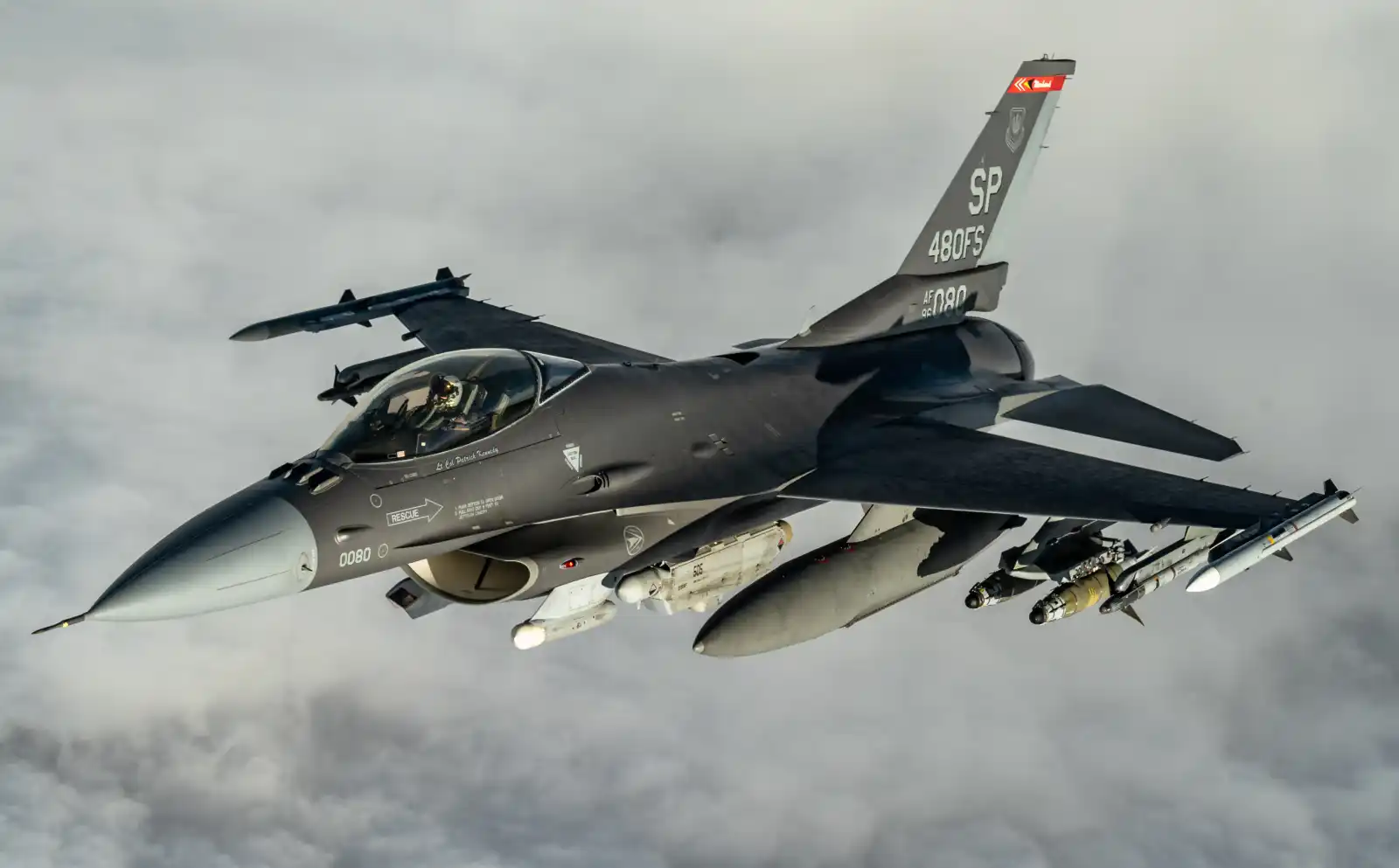
The F-16 Fighting Falcon has undergone numerous upgrades since its inception, enhancing its avionics, stealth characteristics, and overall combat effectiveness. One of these improvements includes the “Have Glass” program, which focuses on reducing the aircraft’s radar cross-section (RCS) through advanced canopy coatings and radar-absorbent materials (RAM). While “Have Glass” is not a widely publicized program, it is a crucial part of the F-16’s modernization efforts, especially in ensuring survivability in contested airspace.
Evolution of the F-16 Glass Cockpit
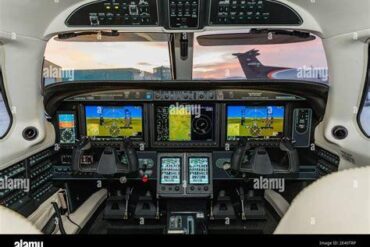
The F-16 cockpit has transitioned from traditional analog instruments to a fully digital glass cockpit, integrating multifunction displays (MFDs), improved radar systems, and enhanced human-machine interfaces. This evolution took place over several decades and multiple aircraft blocks.
Early Cockpit Design (F-16A/B Block 5-15)
The initial production models of the F-16 relied on mechanical gauges and single-color cathode-ray tube (CRT) displays. These aircraft had limited information integration, requiring pilots to scan multiple instruments to obtain situational awareness.
Introduction of Standard Glass Cockpit (F-16C Block 25, 1984)
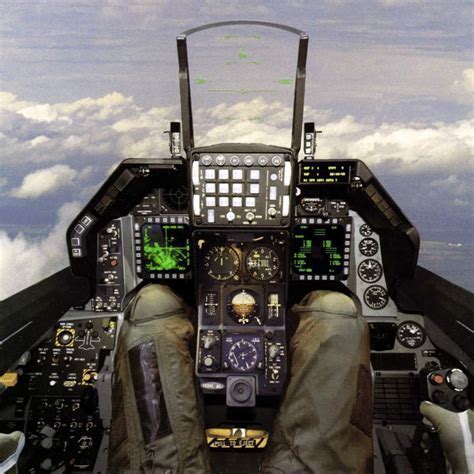
The F-16C Block 25 introduced the first true glass cockpit, featuring dual multifunction displays (MFDs) and a wide-angle head-up display (HUD). This marked a significant shift towards digital avionics, providing pilots with a more streamlined and integrated information display.
Advanced Glass Cockpit (F-16E/F Block 60, 21st Century)
The F-16E/F Block 60, developed primarily for the United Arab Emirates Air Force, represented a leap in cockpit technology. It featured:
- A 1+3 display layout (one large HUD and three large color MFDs)
- Advanced data fusion systems
- Active Electronically Scanned Array (AESA) radar integration
These advancements significantly improved pilot workload management, making the F-16 more effective in modern combat environments.
The Have Glass Program: Enhancing Stealth Capabilities
Canopy Coatings and Radar Signature Reduction
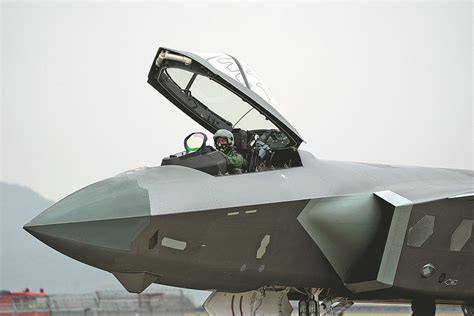
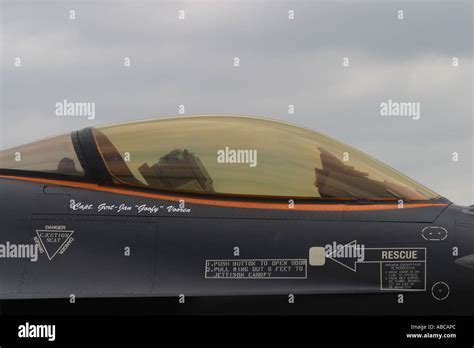
One of the primary components of the Have Glass program is the application of gold-tinted canopies, which serve to reduce the aircraft’s radar signature. These canopies incorporate metallic oxide coatings, specifically designed to attenuate radar waves, preventing them from reflecting back to enemy radars.
Key Features of the Have Glass Canopy:
- Gold-Tinted Coating: Made from a thin layer of indium tin oxide, it helps in reducing electromagnetic emissions.
- Electromagnetic Shielding: Prevents onboard avionics from emitting detectable signals.
- Optical Clarity: Despite its reflective appearance, the coating maintains excellent visibility for pilots.
Radar-Absorbent Materials (RAM) and Coatings
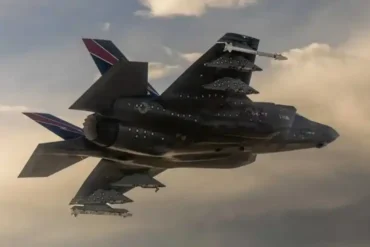
In addition to canopy modifications, Have Glass includes the application of RAM coatings across the F-16’s fuselage. This coating, similar to the stealth treatments on the F-35, absorbs radar waves, thereby reducing the aircraft’s overall radar cross-section (RCS).
Some variations of Have Glass coatings include:
- Have Glass I & II: Early iterations that introduced RAM coatings to select F-16 models.
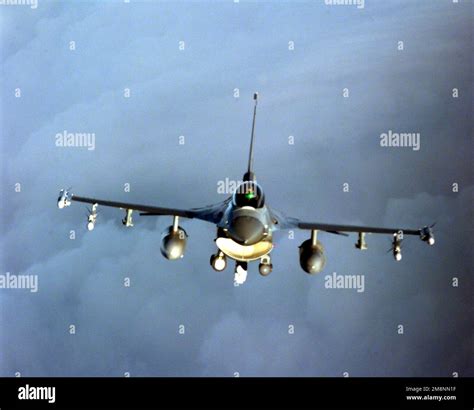
- Have Glass V (Five): A more advanced version incorporating matte gray low-observable paint, further reducing radar reflectivity.
These coatings ensure that the F-16 remains a viable combat platform, capable of evading enemy radars and surface-to-air missile (SAM) systems.
Modernization with the F-16V (Block 70/72)
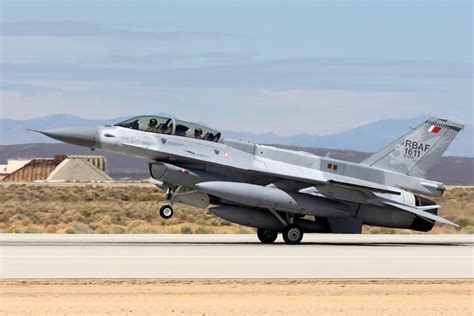
The latest F-16V (Block 70/72) introduces a suite of new features, including stealth-compatible coatings and enhanced avionics. Some of the key advancements include:
- AN/APG-83 AESA Radar: Provides superior target detection and tracking.
- Integrated Electronic Warfare (EW) Suite: Enhances survivability in high-threat environments.
- Improved Display Systems: Featuring high-resolution center pedestal displays (CPD) for enhanced situational awareness.
- Low Observable (LO) Enhancements: Integrating Have Glass stealth coatings for improved operational effectiveness.
Impact on Combat Operations
The Have Glass modifications provide the F-16 with greater survivability against modern air defense threats. By reducing RCS and improving electronic warfare defenses, the aircraft remains an effective tool for Suppression of Enemy Air Defenses (SEAD) missions, also known as Wild Weasel operations.
Furthermore, these upgrades allow the F-16 to complement fifth-generation aircraft, such as the F-35 Lightning II, in joint operations, leveraging advanced sensor integration and stealth capabilities.
Conclusion
The Have Glass program represents a critical advancement in the F-16’s operational capability, ensuring its relevance in modern aerial warfare. By integrating stealth coatings, glass cockpit upgrades, and enhanced avionics, the F-16 continues to be a dominant force in the air. As technology evolves, additional stealth enhancements and electronic warfare capabilities will likely be incorporated into future F-16 variants.
FAQ
What is the purpose of the Have Glass coating on the F-16?
The Have Glass coating reduces the radar cross-section (RCS) of the F-16, making it less detectable by enemy radar. This is achieved through gold-tinted canopies and radar-absorbent material (RAM) coatings applied to the fuselage.
How does the gold-tinted canopy help with stealth?
The gold-tinted canopy contains metallic oxide layers, which prevent radar waves from penetrating the cockpit and reflecting back to enemy sensors. This technology is also used in other stealth aircraft like the F-22 Raptor and F-35 Lightning II.
Which F-16 variants feature Have Glass technology?
Several F-16 variants incorporate Have Glass features, including the F-16C/D Block 50/52, the F-16E/F Block 60, and the latest F-16V Block 70/72. The most advanced iteration, Have Glass V, includes low observable paint schemes for further radar signature reduction.