Air power remains one of the clearest measures of military influence in 2026, but behind every stealth fighter, tanker aircraft, or carrier-based strike mission stands a shrinking pool of highly trained pilots. Around the world, governments are discovering that advanced aircraft alone are not enough. Recruiting and retaining aviators has become one of the defining military challenges of the decade.
The United States, China, Japan, and the United Kingdom all operate sophisticated air arms with global ambitions, yet each country approaches pilot compensation very differently. Some rely on massive bonuses and operational incentives. Others still depend on rigid military pay structures that struggle to compete with commercial airlines. The result is a fascinating divide where two pilots flying equally advanced aircraft may earn dramatically different salaries depending on the flag painted on the tail.
Military pilot pay is no longer simply about rank and years of service. In 2026, it reflects geopolitical tension, demographic decline, technological competition, and the growing importance of retaining experienced crews capable of operating fifth-generation fighters and future sixth-generation combat systems.
For many governments, pilot salaries have become a national security issue.
The economics behind military aviation are changing rapidly because pilot shortages now threaten operational readiness more than aircraft shortages. Nations can manufacture additional fighters, but producing experienced aviators requires years of training, billions in infrastructure, and an enormous investment in human capital.
By 2026, the competition for skilled aviators has become especially fierce as commercial airlines continue aggressively recruiting military-trained pilots with promises of better schedules and significantly higher earnings.
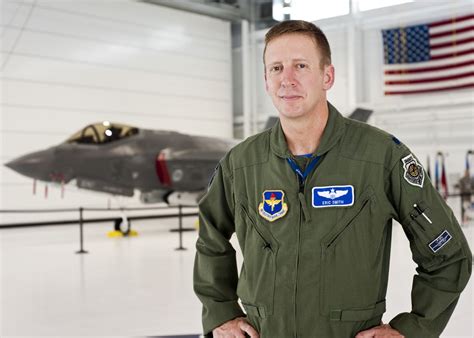
Why Military Pilot Salaries Are Rising Worldwide
Military aviation training pipelines are among the most expensive personnel investments in modern defense spending. Training a fighter pilot in the United States can cost several million dollars before that individual ever reaches a frontline squadron. Similar realities exist in China, Japan, and the United Kingdom.
Once pilots complete training, governments face a second problem: keeping them in uniform.
Commercial airlines across Asia, Europe, and North America are experiencing enormous demand for experienced aviators due to fleet expansion and post-pandemic recovery. Military pilots are particularly attractive hires because they already possess advanced instrument ratings, operational experience, and high-stress decision-making skills.
This competition has fundamentally reshaped military compensation systems.
Instead of relying solely on traditional rank-based pay, air forces increasingly use retention bonuses, hazard incentives, operational pay supplements, and specialized aviation allowances to keep experienced crews from leaving. In some countries, especially China and the United Kingdom, elite combat aviators can now earn compensation packages that rival or even exceed certain civilian airline salaries.
The strategic importance of these pilots has also increased because modern aircraft are vastly more complicated than previous generations. Flying an F-35, J-20, or advanced maritime surveillance aircraft requires mastery of sensor fusion, networked warfare systems, electronic warfare management, and real-time battlefield coordination.
A modern fighter pilot is no longer just flying an aircraft. They are managing an airborne combat network.
United States Military Pilot Salaries In 2026
The United States continues to operate the world’s largest and most powerful military aviation force by a considerable margin. With more than 13,000 military aircraft and roughly 37,000 pilots spread across the Air Force, Navy, Marine Corps, and Army Aviation, American air power remains unmatched in scale.
Yet despite that dominance, the US military faces a persistent pilot shortage problem.
The US Air Force alone has struggled for years to maintain sufficient fighter pilot numbers, particularly among experienced mid-career officers. Operational tempo remains extremely high while commercial airlines continue pulling away trained aviators.
To counter this trend, the Pentagon has steadily increased aviation incentive pay.
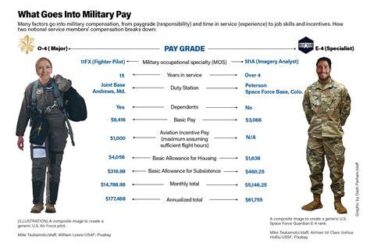
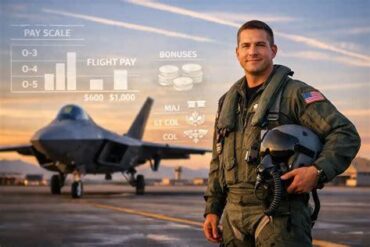
An entry-level US military pilot in 2026 typically earns total compensation ranging from approximately $75,000 to $95,000 annually, depending on branch, location, allowances, and flight status. This figure includes housing allowances, basic pay, flight pay, healthcare, and other military benefits.
As pilots rise through the officer ranks, compensation grows significantly.
Typical monthly base pay estimates include:
- O-1 Second Lieutenant or Ensign: approximately $4,750 monthly
- O-2 First Lieutenant or Lieutenant Junior Grade: approximately $5,500 monthly
- O-3 Captain or Lieutenant: approximately $6,500 monthly
- O-4 Major or Lieutenant Commander: approximately $7,500 monthly
- O-5 Lieutenant Colonel or Commander: approximately $8,500 monthly
These figures represent base salary before aviation incentives and operational bonuses.
Flight pay itself ranges from around $150 per month for newer aviators up to roughly $1,000 monthly for highly experienced pilots with long aviation careers. Additional retention bonuses dramatically increase overall earnings.
In some cases, pilots who agree to extended service commitments can receive retention packages totaling $600,000 spread over 12 years.
That changes the financial equation considerably.
Senior fighter pilots, test pilots, instructor pilots, and carrier-qualified naval aviators can realistically surpass $200,000 annually in total compensation when all benefits and incentives are included.
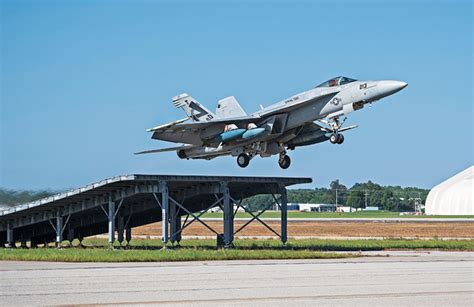
Why The United States Still Struggles With Pilot Retention
Despite high compensation by military standards, the United States still loses experienced aviators to civilian airlines at an alarming pace.
The problem is not simply salary. Lifestyle plays an enormous role.
Military pilots routinely face long deployments, unpredictable schedules, combat risk, family separation, and constant relocations. Airline careers often provide higher lifetime earnings with greater stability and fewer operational dangers.
This has created a difficult balancing act for the Pentagon. Increasing pay helps, but retention also depends on quality of life, aircraft availability, and career progression opportunities.
The issue is especially severe in fighter communities flying aircraft such as the F-22 Raptor and F-35 Lightning II. Experienced pilots are critical because advanced air combat increasingly depends on tactical expertise rather than raw aircraft numbers.
An inexperienced pilot in a fifth-generation fighter remains at a major disadvantage against a veteran aviator with years of operational knowledge.
That reality explains why the United States treats pilot retention as a combat-readiness priority rather than merely a personnel issue.
China’s Expanding Air Force And Its Unique Pay Structure
China’s military aviation sector has expanded rapidly over the past decade as Beijing modernizes the People’s Liberation Army Air Force and naval aviation branches.
The PLAAF now operates one of the world’s largest combat aircraft fleets, supported by roughly 4,000 active-duty pilots. Unlike Western systems, however, Chinese military pilot compensation operates under a highly uneven structure.
Official base salaries remain surprisingly modest.
A junior Chinese military pilot generally earns between $54,000 and $65,000 annually, while many mid-career officers still remain below $77,000 in standard base compensation.
At first glance, these figures appear low relative to the strategic importance of China’s military aviation ambitions.
The real story lies in targeted incentives.
China increasingly supplements pilot salaries with highly specialized operational bonuses that vary depending on aircraft type, mission risk, and strategic importance. Elite naval aviators and advanced fighter pilots receive particularly large incentive packages.
This approach has created a two-tier aviation compensation system.
Standard transport or support pilots may earn salaries relatively close to official military pay scales, while highly experienced combat aviators flying advanced platforms can receive dramatically higher compensation.
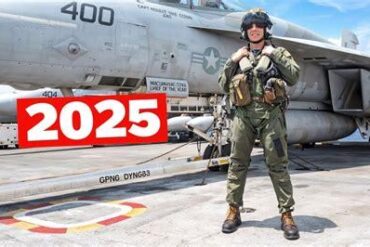
For China’s most elite naval strike pilots and carrier-qualified aviators, total annual compensation may reportedly reach between $90,000 and $300,000 once hazard bonuses and strategic incentives are included.
That upper range rivals top-tier Western military compensation.
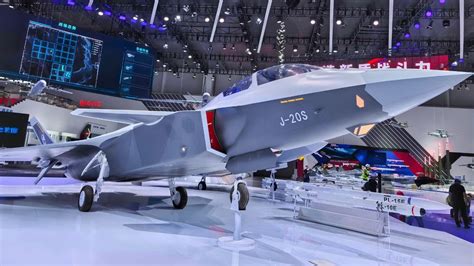
Chinese Naval Aviation: High Risk And High Reward
Naval aviation represents one of the most dangerous and strategically important career paths within China’s military.
Carrier operations remain extremely demanding even for highly experienced aviators. China’s expanding carrier fleet, including the Liaoning, Shandong, and the newer Fujian, requires hundreds of qualified carrier pilots capable of performing arrested landings and complex maritime strike missions.
Carrier aviation is expensive in every sense of the word.
Training accidents, operational hazards, and the difficulty of producing deck-qualified pilots have pushed Beijing to aggressively reward naval aviators financially.
This is particularly important because China also competes directly with its booming commercial aviation industry for pilot talent. Civilian airlines throughout Asia offer attractive salaries, creating retention pressures similar to those seen in the United States.
The Chinese military’s solution relies less on transparent salary scales and more on selective incentives tied to operational importance.
Pilots flying the J-20 stealth fighter, KJ-500 airborne early warning aircraft, Y-20 strategic airlifters, and carrier-based naval aircraft increasingly occupy an elite compensation category inside the PLA system.
Japan’s Air Self-Defense Force Faces A Retention Crisis
Japan operates one of the most technologically advanced air forces in Asia despite maintaining a relatively small pilot community.
The Japan Air Self-Defense Force depends on roughly 2,000 aviators responsible for operating more than 1,400 aircraft, including F-15J fighters, F-2 multirole jets, KC-46 tankers, and expanding fleets of F-35A stealth fighters.
Japanese military pilot salaries historically followed strict civil service compensation structures.
That system created problems.
A newly trained Japanese military pilot in 2026 typically earns between $58,000 and $70,000 annually, including allowances and regional adjustments. Mid-career pilots generally plateau between $82,000 and $96,000 annually under traditional salary systems.
Those numbers proved insufficient to prevent many experienced pilots from leaving for commercial airlines.
Japan has therefore begun implementing targeted compensation reforms aimed specifically at retaining operational aviators and frontline combat crews.
The urgency behind these reforms is tied directly to regional security concerns.
Japan’s military aviation community now operates under growing pressure from increased Chinese air activity near Japanese territory and expanding Indo-Pacific security responsibilities.
As Tokyo modernizes its air force, pilot retention has become essential.
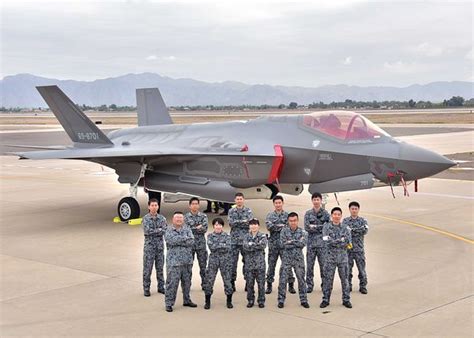
The Growing Importance Of Japan’s F-35 Force
Japan’s transition toward larger F-35 operations is reshaping pilot training and compensation priorities.
Fifth-generation aircraft demand significantly more technical proficiency than older fighters. Pilots must manage complex sensor systems, data-link coordination, and integrated battlespace awareness while conducting long-duration missions across maritime environments.
The challenge becomes even greater for Japan’s future carrier-capable F-35B operations aboard the modified Izumo-class vessels.
Carrier-capable stealth aviation requires extensive additional training, operational discipline, and retention incentives to sustain readiness.
Tokyo understands that replacing experienced aviators is far more difficult than purchasing additional aircraft.
That understanding explains why Japan’s government has increasingly prioritized aviation pay reform despite broader budget pressures.
United Kingdom Military Pilot Salaries In 2026
The United Kingdom operates a much smaller military aviation force compared to the United States or China, but British military pilots remain among the world’s most respected aviators.
The Royal Air Force and Royal Navy function under a highly integrated aviation structure, particularly through operations involving the F-35B Lightning II and carrier strike groups.
British military pilots begin with relatively modest salaries compared to American counterparts.
A newly commissioned pilot entering RAF or Royal Navy aviation generally earns between $43,000 and $57,000 annually during the earliest stages of service.
Compensation rises quickly after pilots become fully operational.
Once aviators achieve frontline combat status and progress into ranks such as Flight Lieutenant, salaries often exceed $63,000 annually. Senior officers, particularly Wing Commanders and experienced operational leaders, commonly earn between $115,000 and $130,000 in base salary.
Additional aviation incentives substantially increase these totals.
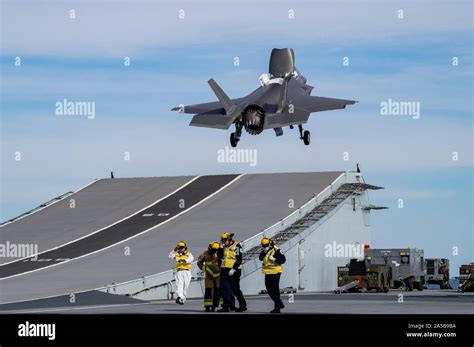
Elite F-35 pilots and highly specialized combat aviators can reportedly receive total compensation packages approaching $250,000 annually once operational bonuses and retention incentives are included.
Why Britain Pays Premiums For Elite Combat Aviators
The UK faces many of the same retention pressures affecting other Western militaries.
Commercial aviation continues attracting experienced RAF and Royal Navy personnel, particularly after pilots complete expensive military training programs.
Britain’s military aviation community is also relatively small, meaning every experienced pilot carries disproportionate operational importance.
The Royal Navy’s carrier strike capability depends heavily on maintaining sufficient numbers of qualified F-35B pilots capable of operating from Queen Elizabeth-class carriers.
That mission requirement has encouraged the Ministry of Defence to increase aviation incentives steadily over recent years.
Unlike larger nations that can absorb some personnel losses, the UK’s smaller force structure leaves little room for shortages in critical specialties.
As a result, Britain increasingly concentrates financial resources on retaining elite operational crews rather than expanding overall pilot numbers dramatically.
Which Country Pays Military Pilots The Best In 2026?
The answer depends heavily on how compensation is measured.
The United States offers the most stable and predictable long-term earnings structure, supported by extensive benefits, housing allowances, healthcare, and retention bonuses. Senior American pilots consistently achieve six-figure compensation with strong retirement packages.
China, however, may offer the highest earnings for select elite combat aviators, particularly within naval aviation and advanced stealth fighter communities. While standard salaries remain lower, specialized bonuses can elevate total pay dramatically.
Japan sits in a transitional position. Traditional civil-service structures kept salaries comparatively restrained for years, but growing regional security concerns are forcing Tokyo to modernize aviation compensation aggressively.
The United Kingdom operates perhaps the most concentrated premium-pay system, where elite combat aviators flying F-35 operations can earn remarkably high compensation despite the relatively small size of Britain’s overall air force.
What unites all four countries is the growing recognition that experienced military pilots are becoming one of the world’s most valuable strategic assets.
Modern warfare increasingly depends on advanced aircraft operated by highly skilled crews capable of surviving complex electronic battlefields and coordinating across massive information networks.
Aircraft can be manufactured in factories.
Experienced combat pilots cannot.