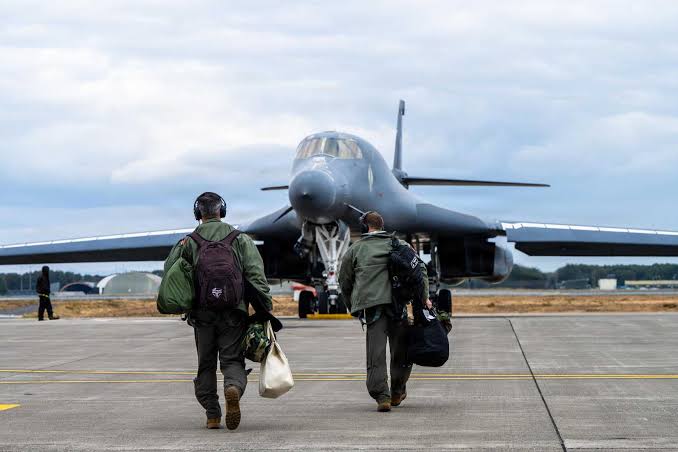
In the world of military aviation, fighter pilots occupy one of the most demanding and prestigious professions. They operate advanced combat aircraft worth hundreds of millions of dollars, train relentlessly for high-risk missions, and maintain readiness under intense physical and psychological pressure. As global military competition intensifies in 2026, compensation has become an increasingly important factor in attracting and retaining elite aviators.
Among the world’s leading air powers, the United States continues to offer some of the most lucrative compensation packages for fighter pilots. However, direct salary comparisons between nations are rarely straightforward. Different military structures, varying cost-of-living environments, hazard pay systems, tax advantages, retention bonuses, and deployment incentives all influence what pilots ultimately earn.
Examining fighter pilot compensation across the United States, China, Japan, and the United Kingdom provides valuable insight into how each nation values its military aviators and how financial incentives support national defense strategies.
The United States remains the dominant force in military aviation, maintaining an inventory of more than 13,000 military aircraft across the Air Force, Navy, Marine Corps, and other branches. This enormous global presence requires a continuous pipeline of highly trained pilots capable of operating advanced aircraft such as the F-22 Raptor, F-35 Lightning II, F-15EX Eagle II, F/A-18E/F Super Hornet, and numerous specialized platforms.
Unlike many countries where military aviation remains concentrated within a single service, American fighter pilots operate across multiple branches with distinct missions, deployment models, and operational requirements. As a result, compensation structures are designed not only to reward rank and experience but also to encourage long-term retention in an increasingly competitive labor market.
By virtually every measure, the United States offers the highest average fighter pilot compensation among major military powers.
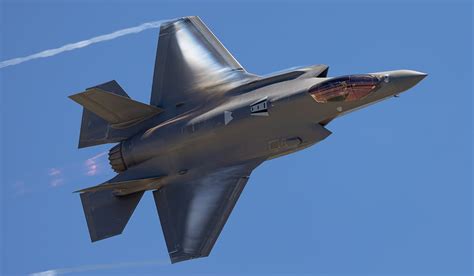
Why US Fighter Pilots Earn More Than Most Global Counterparts
American military aviators benefit from a layered compensation system that extends far beyond base salary. While military pay charts establish standard earnings according to rank and years of service, pilots also receive a variety of specialized incentives unavailable to most other military occupations.
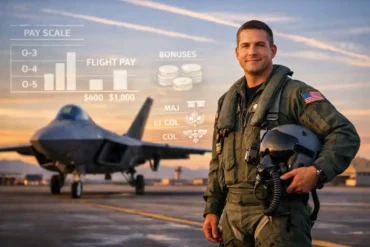
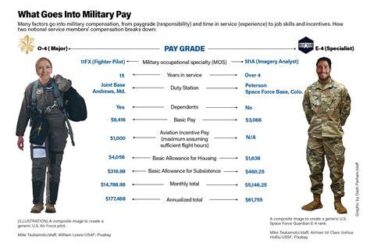
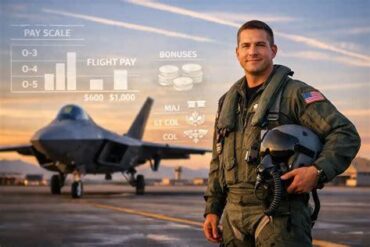
An entry-level fighter pilot entering service as a Second Lieutenant in the Air Force or an Ensign in the Navy typically earns between $50,000 and $60,000 annually in base pay. Although this figure may appear modest relative to civilian airline salaries, it represents only a portion of total compensation.
As pilots progress through their careers and achieve operational qualifications, earnings increase substantially. Mid-career officers holding the rank of Captain or Navy Lieutenant generally receive between $74,000 and $98,000 annually in base salary. Senior squadron commanders at the rank of Lieutenant Colonel or Commander can earn between $110,000 and $142,000 annually before additional incentives are applied.
One of the most significant advantages enjoyed by American military pilots is access to tax-free allowances. The Basic Allowance for Housing can add tens of thousands of dollars annually depending on duty location. In high-cost regions, housing benefits alone may exceed $40,000 per year, dramatically increasing take-home pay.
Aviation Career Incentive Pay provides another valuable supplement. Experienced pilots may receive up to $1,000 per month simply for maintaining aviation qualifications and active flying status.
Retention remains a major concern for the US military because commercial airlines continuously recruit experienced aviators. To counter this challenge, the Pentagon has expanded bonus programs that reward long-term service commitments. Certain fighter pilots can qualify for retention contracts worth up to $50,000 annually, creating total bonus opportunities that may exceed $600,000 over multiple years.
For senior aviators combining base salary, housing allowances, flight pay, deployment incentives, and retention bonuses, total compensation can comfortably exceed $200,000 annually.
The Unique Compensation Models of US Air Force, Navy, and Marine Corps Pilots
Although fighter pilots across the Air Force, Navy, and Marine Corps utilize similar military pay tables, operational differences create substantial variations in overall compensation.
Air Force fighter pilots primarily operate from land-based installations around the world. Their additional earnings often come from temporary duty assignments, overseas deployments, and specialized operational incentives. Certain highly experienced aviators can qualify for substantial aviation continuation bonuses tied to critical aircraft communities.
Navy fighter pilots face a different reality. Extended carrier deployments place unique demands on aviators who regularly conduct high-risk launch and recovery operations at sea. To compensate for these challenges, Navy pilots may receive Sea Pay, deployment allowances, and additional hardship-related incentives.
Marine Corps fighter pilots occupy a particularly distinctive niche. Marine aviation exists primarily to support ground combat forces, resulting in a mission profile heavily focused on expeditionary operations and close-air-support missions.
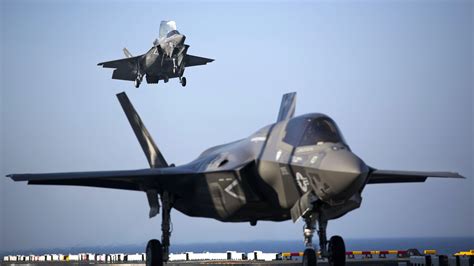
Marine aviators frequently alternate between shipboard deployments and austere forward operating bases. Depending on deployment conditions, they may qualify for Sea Pay, Imminent Danger Pay, hostile-fire benefits, and tax-free deployment income. These additional incentives can significantly elevate total compensation beyond standard military salary tables.
The result is a compensation ecosystem designed to reward operational complexity, deployment tempo, and specialized expertise.
China’s Expanding Air Power and Fighter Pilot Pay Structure
China’s military aviation sector has undergone a dramatic transformation during the past two decades. The People’s Liberation Army Air Force (PLAAF) and the People’s Liberation Army Naval Air Force (PLANAF) have expanded rapidly, introducing advanced aircraft including the J-20 stealth fighter, J-16 strike fighter, and carrier-capable naval aviation assets.
Unlike the American system, China’s fighter pilot compensation structure remains significantly less transparent. Publicly available information suggests a framework emphasizing performance incentives and operational bonuses rather than exceptionally high baseline salaries.
Junior fighter pilots generally earn between RMB 372,400 and RMB 448,300 annually, equivalent to roughly $54,000 to $65,000. While this places Chinese pilots below American counterparts on average, compensation can increase substantially through operational supplements.
Elite aviators assigned to advanced combat units receive additional pay linked to mission readiness, flight hours, risk exposure, and strategic assignments. Pilots operating sophisticated platforms such as the J-20 often benefit from enhanced compensation packages reflecting the value of their expertise.
The most notable exception involves carrier aviation.
China’s rapidly expanding carrier fleet requires highly skilled naval aviators capable of executing some of military aviation’s most dangerous maneuvers. Carrier landings involve extraordinary risks, particularly during nighttime operations and adverse weather conditions.
To attract and retain qualified personnel, PLANAF carrier pilots receive extensive hazard pay, maritime deployment stipends, and specialized qualification bonuses. In some cases, these incentives can elevate annual compensation into the $150,000 to $300,000 range, making elite Chinese naval aviators among the highest-paid military pilots globally.
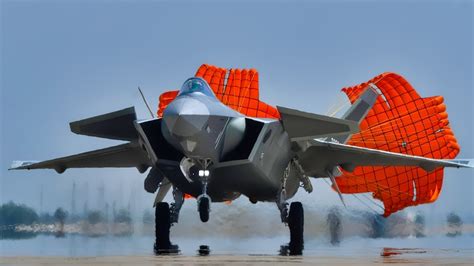
This demonstrates how China increasingly uses targeted financial incentives to strengthen critical aviation specialties while maintaining relatively conservative baseline military salaries.
Japan’s Structured and Stable Fighter Pilot Compensation System
Japan operates one of the world’s most technologically advanced air defense networks through the Japan Air Self-Defense Force and the Japan Maritime Self-Defense Force.
Unlike the performance-heavy systems seen elsewhere, Japanese fighter pilot compensation follows a highly structured civil-service model. Military officers are effectively treated as specialized government employees, resulting in predictable salary progression tied closely to seniority and rank.
Entry-level officers generally earn between ¥2.8 million and ¥5.5 million annually, equivalent to approximately $18,300 to $35,950. Mid-career pilots earn roughly ¥3.2 million to ¥5.6 million, while senior commanders typically fall within the ¥5.7 million to ¥6.7 million range.
At first glance, these salaries appear significantly lower than those offered by other leading military powers. However, Japanese compensation extends beyond basic salary figures.
Pilots receive seasonal bonuses, flight allowances, cost-of-living adjustments, and specialized operational payments. These additions create a more competitive total compensation package than base salary data alone might suggest.
Japan’s strategic location also shapes pilot compensation. The country routinely scrambles fighters to intercept foreign military aircraft approaching its airspace. Pilots operating F-15J and F-35A fighters frequently participate in high-tempo readiness operations that trigger additional compensation mechanisms.
Meanwhile, naval aviators serving aboard Japan’s helicopter destroyers and emerging F-35B-capable vessels receive maritime deployment benefits similar to those found in other naval aviation communities.
The United Kingdom’s Military Aviation Pay Model
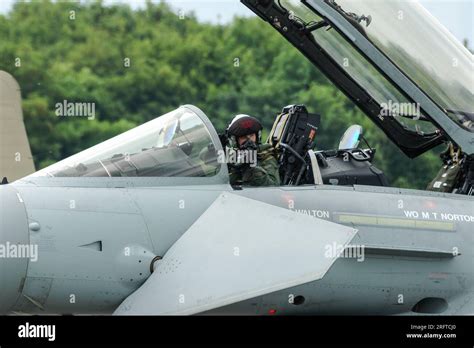
The United Kingdom maintains highly capable air combat forces through the Royal Air Force and the Royal Navy’s Fleet Air Arm. Despite operating a smaller force than the United States or China, British fighter pilots remain among the world’s most professional and technologically advanced aviators.
British military compensation follows a centralized structure applied across all service branches. As a result, RAF and Royal Navy fighter pilots generally share the same baseline salary framework.
Officer candidates undergoing flight training typically begin earning approximately £38,400 annually. Following qualification and operational assignment, salaries rise significantly. Experienced Flight Lieutenants and Royal Navy Lieutenants can earn around £81,600 annually, while senior commanders may receive approximately £110,400 annually.
One of the defining features of British military compensation is the X-Factor payment. This automatic supplement adds approximately 14.5% to salary in recognition of the unique hardships associated with military service.
Qualified pilots may also receive Recruitment and Retention Pay designed specifically to encourage experienced aviators to remain in uniform.
Royal Navy fighter pilots operating from aircraft carriers gain additional financial benefits through separation allowances and deployment incentives. RAF pilots generally receive temporary duty allowances during overseas operations and multinational exercises.
Although British fighter pilots typically earn less than their American counterparts, supplementary incentives significantly enhance overall compensation.
Comparing Fighter Pilot Salaries Across Major Air Powers in 2026
When examining average fighter pilot earnings globally, the United States clearly maintains the strongest overall compensation package. High base salaries, generous housing allowances, substantial aviation bonuses, and extensive retention incentives create a financial environment unmatched by most competitors.
China presents a more nuanced picture. Average compensation remains lower than in the United States, but highly specialized naval aviators can achieve remarkably high earnings through aggressive hazard-pay structures.
Japan prioritizes stability, predictability, and institutional progression. While headline salaries appear lower, long-term career security and structured advancement remain central features of the Japanese model.
The United Kingdom occupies a middle ground. Base salaries are competitive, and supplemental payments improve overall earnings, but compensation generally remains below equivalent American levels.
Ultimately, fighter pilot pay reflects more than economics. It reveals how nations prioritize military readiness, talent retention, and operational effectiveness. In 2026, the United States continues to lead in overall fighter pilot compensation, reinforcing its ability to attract and retain some of the world’s most skilled military aviators. As geopolitical competition intensifies and advanced combat aircraft become increasingly complex, compensation will remain a critical factor shaping the future of military aviation around the globe.