Three decades after its debut, the Boeing 777 remains a defining force in global aviation—an aircraft that didn’t just enter the market but reshaped it entirely. When it first entered commercial service in 1995, the industry was standing at a crossroads, balancing between legacy four-engine giants and a new generation of fuel-efficient twins. The 777 didn’t just tip the scales—it rewrote the rules.
What makes this aircraft remarkable is not just its longevity, but its sustained dominance. With more than 2,400 orders recorded by 2026, the Boeing 777 stands as the best-selling long-haul widebody aircraft in aviation history, a title earned through a rare combination of engineering excellence, operational efficiency, and relentless adaptability. While newer aircraft have entered the scene, few have managed to challenge the 777’s deep-rooted influence across global fleets.
The story of the Boeing 777 is not merely one of numbers—it is a narrative of transformation. It ushered in a new economic model for airlines, enabled unprecedented connectivity between distant cities, and proved that twin-engine aircraft could outperform their larger, more complex predecessors on the world’s longest routes.
A New Era Begins: Engineering the Future of Long-Haul Travel
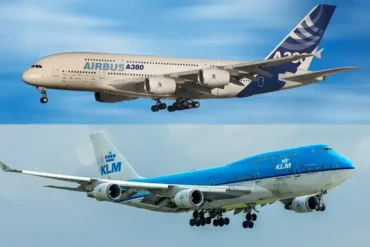
When Boeing launched the 777 program in the early 1990s, the aviation industry was undergoing a quiet revolution. Airlines were increasingly seeking aircraft that could deliver long-range capability without the heavy operational costs associated with three- and four-engine jets like the Boeing 747 and McDonnell Douglas DC-10.
The 777 emerged as the perfect response. Designed from the ground up as a long-haul twin-engine widebody, it capitalized on evolving ETOPS (Extended-range Twin-engine Operational Performance Standards) regulations, allowing it to fly routes previously reserved for larger aircraft. This was more than a technical milestone—it was a strategic shift that opened up new possibilities for airlines worldwide.
What set the 777 apart even before its first flight was Boeing’s unprecedented collaborative design approach. Working closely with major airlines, the company incorporated real-world operational insights directly into the aircraft’s development. The result was a jet that seamlessly blended passenger comfort with airline economics.
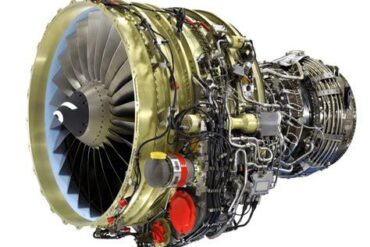
Inside, passengers experienced a wider cabin, improved pressurization, and a quieter environment. Outside, the aircraft was powered by engines like the General Electric GE90, one of the most powerful turbofan engines ever built. Its sheer size and performance quickly became iconic, symbolizing the technological leap the 777 represented.
The Rise of a Titan: How the 777-300ER Dominated the Market
While the early variants established credibility, it was the Boeing 777-300ER that elevated the program into aviation legend. Entering service in the mid-2000s, this extended-range variant struck a near-perfect balance between capacity, range, and fuel efficiency, making it an irresistible option for airlines operating high-demand international routes.
The 777-300ER didn’t just compete—it outclassed rivals. It offered similar passenger capacity to the Boeing 747 and Airbus A340 but with significantly lower fuel consumption and maintenance costs. For airlines, this translated into improved margins on long-haul routes—an advantage too compelling to ignore.
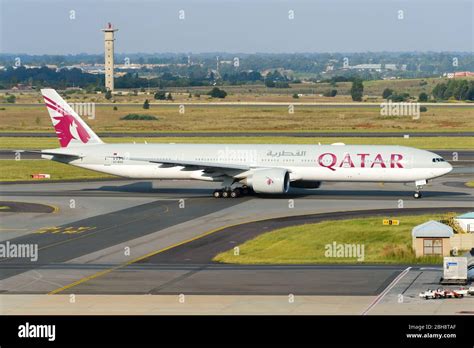
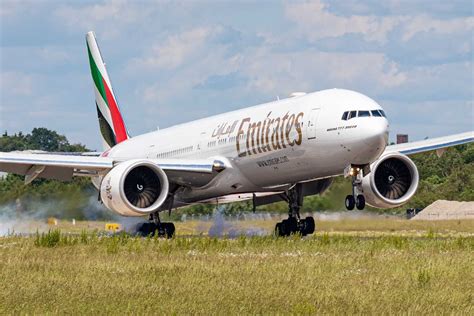
Major global carriers quickly embraced the aircraft. Airlines such as Emirates, Qatar Airways, Singapore Airlines, and Air France built large portions of their long-haul networks around the 777-300ER. Emirates, in particular, turned the aircraft into the backbone of its global operations, operating over a hundred units and redefining hub-and-spoke connectivity through Dubai.
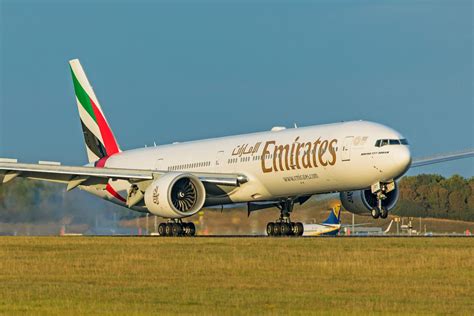
At its peak, the 777-300ER became synonymous with long-haul travel itself. Whether flying between London and Singapore or New York and Tokyo, the aircraft delivered consistent performance, reliability, and passenger satisfaction. It wasn’t just a flagship—it was the workhorse of intercontinental aviation.
Global Adoption and Record-Breaking Orders
One of the clearest indicators of the Boeing 777’s success lies in its extraordinary global adoption. Unlike some aircraft that find niche markets, the 777 achieved universal appeal, securing orders from airlines across every continent.
From legacy carriers in North America and Europe to rapidly expanding airlines in Asia and the Middle East, the aircraft proved adaptable to diverse operational needs. Its ability to serve both high-density trunk routes and ultra-long-haul connections made it a versatile asset in any fleet.
By 2026, total orders exceeding 2,400 aircraft reflect not just initial enthusiasm but sustained demand over decades. Even as newer aircraft like the Boeing 787 and Airbus A350 entered the market, the 777 continued to attract interest—particularly in its cargo configuration.
This enduring appeal highlights a critical truth: the 777 is not just a product of its time; it is a platform that has continuously evolved to meet changing industry demands.
The Unsung Hero: Boeing 777 Freighter’s Critical Role
While passenger variants often capture the spotlight, the Boeing 777F freighter has quietly become one of the program’s most vital components. Introduced in the late 2000s, the 777F brought the same strengths—range, efficiency, and reliability—into the cargo sector.
In an era defined by e-commerce growth and global supply chain complexity, the demand for efficient air cargo solutions has surged. The 777F answered this demand with a compelling combination of high payload capacity and long-range capability, allowing operators to move goods across continents without refueling.
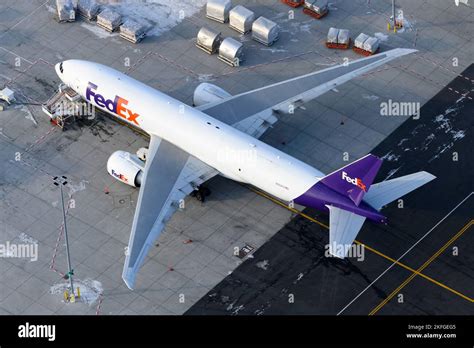
Major logistics companies and cargo airlines, including FedEx Express and Qatar Airways Cargo, have invested heavily in the type. Its performance during the COVID-19 pandemic further underscored its value, as air cargo became a lifeline for global trade amid widespread disruptions to passenger travel.
The freighter variant also provided Boeing with a crucial buffer during downturns in passenger demand. By maintaining production continuity and generating steady orders, the 777F helped sustain the broader program during uncertain times.
Innovation Meets Challenge: The Transition to the 777X
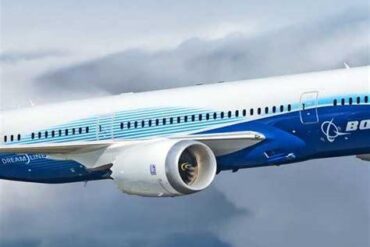
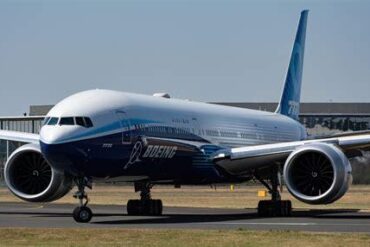
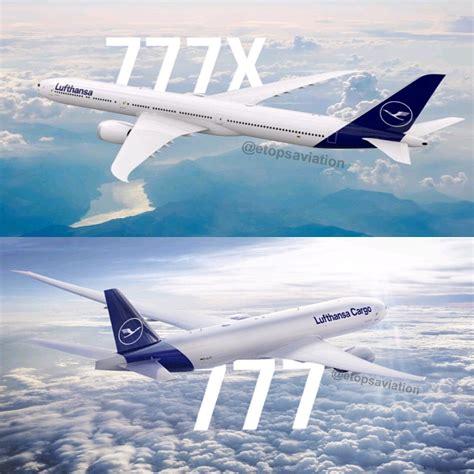
As aviation moves into a new era, the Boeing 777 is undergoing its most significant transformation yet with the development of the 777X. Designed as the next-generation evolution of the platform, the 777X introduces advanced technologies aimed at improving efficiency, performance, and sustainability.
Among its most notable features are composite wings with folding wingtips, a design innovation that allows for greater aerodynamic efficiency while maintaining compatibility with existing airport infrastructure. Combined with new engines and updated systems, the 777X promises to deliver lower fuel burn and reduced emissions.
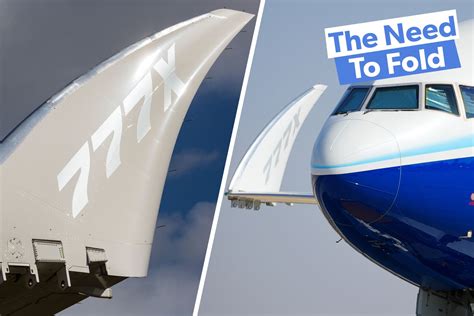
However, the journey to bring the 777X to market has been far from smooth. The program has faced significant delays, pushing its expected entry into service closer to 2027. A combination of stricter regulatory oversight, technical challenges, and global supply chain disruptions has complicated development efforts.
Despite these hurdles, confidence in the 777X remains strong. Major airlines have maintained substantial orders, signaling continued belief in the platform’s long-term value. The transition from the 777-300ER to the 777X represents not just a generational shift but a test of Boeing’s ability to carry forward a legacy of excellence.
Redefining Long-Haul Economics and Passenger Experience
Beyond sales figures and technical specifications, the Boeing 777’s true impact lies in how it redefined airline economics and passenger expectations. By enabling airlines to operate long-haul routes more efficiently, it made global travel more accessible and financially viable.
For passengers, the aircraft introduced a new standard of comfort. Wider cabins, improved cabin pressure, and quieter engines contributed to a more pleasant flying experience—an important factor on flights lasting 10 hours or more. Over time, continuous upgrades in cabin design and in-flight entertainment ensured that the 777 remained competitive even as newer aircraft emerged.
Airlines also benefited from the aircraft’s exceptional reliability. With high dispatch rates and proven performance across diverse operating conditions, the 777 became one of the most dependable aircraft in commercial aviation. That reliability translated into fewer delays, lower maintenance costs, and stronger customer trust.
An Enduring Legacy That Shaped Modern Aviation
The Boeing 777 did more than succeed—it changed the trajectory of the aviation industry. By proving that twin-engine aircraft could safely and efficiently handle ultra-long-haul routes, it accelerated the decline of four-engine giants and influenced the design philosophy of future aircraft.
Modern widebodies like the Boeing 787 Dreamliner and Airbus A350 owe much to the groundwork laid by the 777. The emphasis on efficiency, range, and passenger comfort that defines today’s aircraft can be traced directly back to the innovations introduced by the 777 program.
Even after 30 years, the aircraft remains a cornerstone of global aviation. It continues to connect cities, support economies, and adapt to new challenges in an ever-changing industry. Its story is not just about engineering—it is about resilience, foresight, and the ability to evolve without losing relevance.
The Boeing 777 doesn’t merely hold the title of best-selling long-haul widebody—it has earned its place as one of the most influential aircraft ever built. And if history is any indication, its legacy is far from finished.