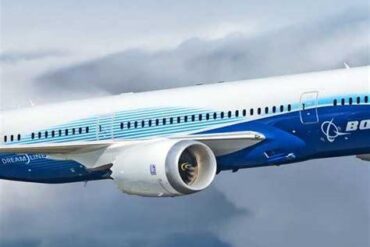
The story of the Boeing 787 Dreamliner is not one of smooth ascent, but of turbulence, recalibration, and eventual dominance. Designed to rewrite the economics of long-haul travel, the aircraft endured years of setbacks, skepticism, and even a global grounding. Yet by 2025, it had achieved what once seemed improbable: becoming the world’s best-selling widebody aircraft. That transformation is not just a tale of engineering—it is a case study in resilience, strategic foresight, and the evolving demands of global aviation.
A Revolutionary Vision That Redefined Long-Haul Travel
When Boeing first unveiled the 787 program in the early 2000s, it was clear this was no incremental upgrade. The Dreamliner represented a fundamental shift in philosophy. Instead of focusing on larger aircraft feeding massive hub airports, Boeing envisioned a future built on point-to-point travel—connecting smaller city pairs directly with efficient, mid-sized widebodies.
This vision aligned perfectly with emerging market dynamics. Airlines were facing rising fuel costs, increasing competition, and a growing demand for nonstop international routes. The Dreamliner promised to address all three challenges simultaneously, offering lower fuel burn, extended range, and the flexibility to operate routes that were previously economically unviable.
Unlike traditional aluminum airframes, the 787 utilized carbon-fiber-reinforced polymer composites for roughly half of its primary structure. This innovation significantly reduced weight while improving durability and resistance to fatigue. Combined with advanced aerodynamics and a more-electric systems architecture, the aircraft was designed to deliver approximately 20% better fuel efficiency than its predecessors.
The ambition was bold—and it immediately resonated with airlines. Even before entering service, the Dreamliner amassed hundreds of orders, signaling strong industry belief in Boeing’s vision.
Engineering Ambition Meets Reality
Innovation on this scale rarely comes without complications, and the Dreamliner was no exception. Boeing adopted an unprecedented global outsourcing model, delegating large sections of the aircraft’s construction to suppliers across multiple continents. The strategy aimed to reduce development costs and accelerate production timelines, but it quickly revealed its flaws.
Coordination issues, inconsistent quality standards, and logistical challenges led to cascading delays. Components arrived incomplete or incompatible, forcing Boeing to step in and reassemble much of the program internally. The result was a development timeline that slipped by more than three years, pushing first delivery from 2008 to late 2011.
Despite these setbacks, the Dreamliner retained strong market support. Airlines recognized that the long-term benefits—fuel savings, operational flexibility, and passenger appeal—far outweighed the temporary delays. The aircraft had already reshaped expectations, even before its first commercial flight.
A Promising Debut Overshadowed by Early Challenges
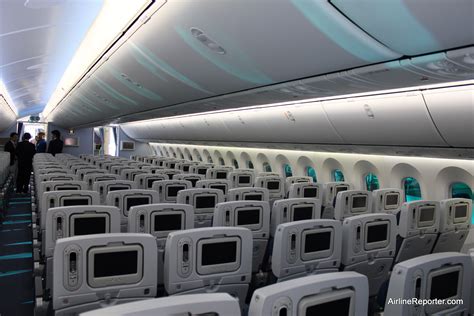
When the 787 finally entered service in October 2011, it did so under intense scrutiny. Its launch customer, All Nippon Airways, deployed the aircraft on high-profile routes, showcasing its capabilities to the world. Passengers immediately noticed the difference: larger dimmable windows, higher cabin humidity, and a lower cabin altitude that reduced fatigue on long-haul journeys.
Airlines quickly embraced the aircraft’s operational advantages. Routes that once required larger planes or multiple stops became viable with the Dreamliner’s efficiency and range. However, beneath this success, technical issues began to surface.
Operators reported a range of problems, including electrical system glitches, brake malfunctions, and minor fuel leaks. While many of these issues were typical for a new aircraft program, they raised concerns about the complexity of the Dreamliner’s advanced systems. Its heavy reliance on electrical architecture introduced new engineering challenges that required time to fully understand and refine.
Even so, the aircraft’s economic performance remained compelling. Airlines continued to take deliveries, confident that early reliability issues would be resolved over time.
The 2013 Grounding That Tested Everything
The Dreamliner’s most dramatic setback came in January 2013, when two separate incidents involving lithium-ion batteries triggered fires on board. One occurred on a Japan Airlines aircraft in Boston, while another forced an emergency landing in Japan.
Investigations identified thermal runaway within the batteries—a dangerous chain reaction capable of generating extreme heat and fire. The severity of the risk prompted aviation regulators worldwide to take the unprecedented step of grounding the entire 787 fleet.
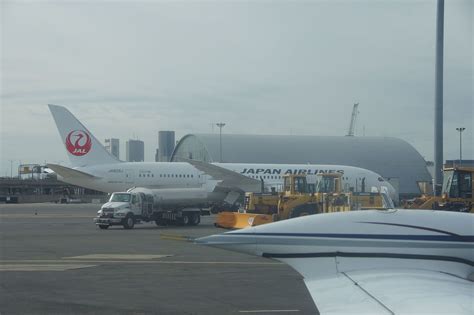
For several months, the Dreamliner was removed from service, casting doubt on its future. Boeing responded with urgency, redesigning the battery system with enhanced insulation, improved monitoring, and a robust containment solution designed to prevent fire propagation.
The aircraft returned to service after approximately three months, but the incident left a lasting imprint. It exposed the risks of pushing technological boundaries and underscored the importance of rigorous testing in next-generation aircraft design. Yet it also demonstrated Boeing’s ability to respond decisively under pressure—a trait that would prove essential in the years ahead.
Manufacturing Flaws and the Cost of Complexity
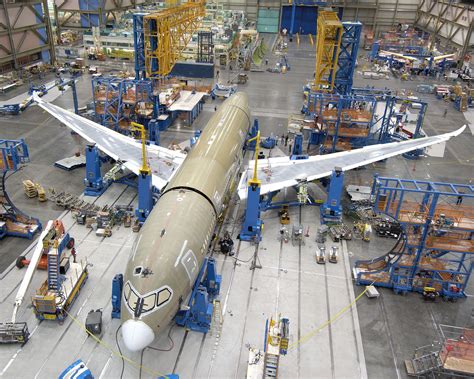
If the battery crisis was a short, sharp shock, the production issues of the 2020s represented a prolonged challenge. Starting in 2020, Boeing identified defects in fuselage joins and other structural components that failed to meet precise tolerance standards.
These were not immediate safety threats, but they required extensive inspection and rework. As a result, deliveries were halted multiple times over several years, at one point pausing for nearly a full year. The backlog of undelivered aircraft grew, and airlines were forced to adjust fleet plans accordingly.
The financial impact was significant. Boeing incurred billions of dollars in costs related to repairs, inspections, and customer compensation. Production rates dropped sharply, and regulatory oversight intensified, particularly from the Federal Aviation Administration.
These challenges highlighted the complexities of manufacturing advanced composite aircraft at scale. Precision tolerances, supplier coordination, and quality control became critical focal points. While Boeing eventually resolved these issues, the experience reinforced a hard-earned lesson: innovation must be matched by equally robust production systems.
A Tragic Setback Without Systemic Collapse
In 2025, the Dreamliner faced another test when an Air India aircraft crashed shortly after takeoff, marking the first fatal accident involving the type. The tragedy drew global attention and reignited concerns about aircraft safety.

However, early investigations indicated no immediate evidence of a systemic design flaw. Regulators chose not to ground the fleet, distinguishing this incident from broader crises seen in other programs. Airlines continued operating the 787, reflecting confidence in its overall safety record.
While the event remains a somber chapter, it did not derail the aircraft’s trajectory. Instead, it underscored the robustness of modern aviation safety frameworks and the industry’s ability to respond with measured, data-driven decisions.
Why the Dreamliner Dominated 2025 Sales
By 2025, the Boeing 787 had firmly established itself as the best-selling widebody aircraft in the world. This success was not accidental—it was the result of a precise alignment between the aircraft’s capabilities and the evolving needs of airlines.
Fuel efficiency remains the cornerstone of its appeal. With approximately 20–25% lower fuel consumption per seat compared to older aircraft, the Dreamliner offers substantial cost savings, particularly on long-haul routes where fuel represents the largest expense.
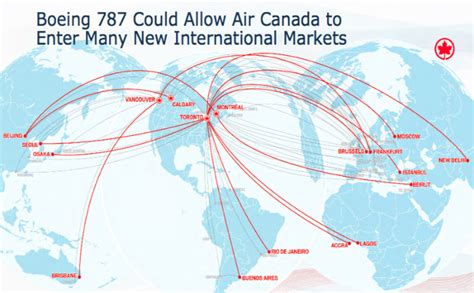
Equally important is its range and flexibility. Depending on the variant, the 787 can fly up to 8,700 miles, enabling nonstop routes between cities that previously required connections. This capability has allowed airlines to expand their networks, improve passenger convenience, and capture new markets.
The aircraft’s size also plays a critical role. With seating capacity ranging from approximately 240 to 330 passengers, it strikes a balance between efficiency and demand. This makes it ideal for a wide range of routes, from high-density corridors to emerging long-haul markets.
Passenger experience further enhances its appeal. Features such as larger windows, quieter cabins, and improved air quality have set a new standard for long-haul travel. In an industry where customer satisfaction directly influences brand loyalty, these advantages cannot be overstated.
The Strategic Shift That Made It Inevitable
The Dreamliner’s rise coincided with a broader shift in airline strategy. Carriers increasingly moved away from relying solely on massive hub airports and oversized aircraft, instead favoring more flexible, point-to-point networks.
This transition was driven by multiple factors: fluctuating demand, rising operational costs, and the desire to offer more direct routes. The 787 was perfectly positioned to capitalize on this shift, providing the right combination of range, capacity, and efficiency.
Airlines could now connect secondary cities across continents without the need for large passenger volumes. Routes that were once considered niche became profitable, reshaping global travel patterns in the process.
The Dreamliner did not just adapt to industry trends—it actively accelerated them.
A Legacy Defined by Resilience and Reinvention
The Boeing 787 Dreamliner’s journey from troubled development to market dominance is a testament to persistence and innovation. Few aircraft programs have faced such a diverse array of challenges, from technical failures and production issues to public scrutiny and operational crises.
Yet each setback was met with adaptation. Engineering flaws were corrected, manufacturing processes refined, and safety systems strengthened. Over time, the aircraft evolved into a mature, reliable platform that delivers consistent value to airlines worldwide.
Its success in 2025 is not merely a reflection of its design, but of the lessons learned along the way. The Dreamliner stands as proof that even the most ambitious projects can achieve lasting impact when guided by vision, resilience, and a willingness to confront failure head-on.
In redefining how airlines approach long-haul travel, the 787 has secured its place as one of the most influential aircraft of the modern era—an aircraft that, despite being grounded for months and challenged for years, ultimately soared higher than anyone expected.