
The global online travel market has experienced a remarkable transformation in recent years, driven by a myriad of factors that include increasing disposable incomes, technological advancements, and a growing consumer preference for convenience. As the world becomes more interconnected and digital, the online travel market, valued at $354.2 billion in 2020, is anticipated to soar to $1,835.6 billion by 2031, boasting a compound annual growth rate (CAGR) of 14.8% from 2022 to 2031. This substantial growth trajectory is not merely a reflection of changing consumer habits but also highlights the evolution of the travel industry as it adapts to meet the demands of a new generation of travelers.
A key driver of this growth is the increased internet penetration across the globe. With billions of people gaining access to the internet, online travel services are becoming more accessible than ever. Consumers can now effortlessly compare prices, discover new destinations, and book travel arrangements with just a few clicks. This ease of access has fundamentally altered how travelers plan their journeys, allowing for greater flexibility and spontaneity in travel decisions.
The Impact of Rising Disposable Incomes on Travel Behavior
In parallel with technological advancements, rising disposable incomes in emerging markets such as India, China, and Brazil have significantly influenced travel behavior. As more individuals enter the middle class and experience an increase in purchasing power, the demand for quality travel experiences is on the rise. Travelers are increasingly willing to spend on unique vacations, luxurious accommodations, and immersive experiences, making online travel platforms an attractive option for planning and booking trips.
Moreover, the accessibility of affordable travel options, including low-cost carriers and competitive vacation packages, has further fueled interest in online travel services. The modern traveler seeks not only affordability but also quality, and online travel agencies (OTAs) have successfully positioned themselves as the go-to platforms for achieving this balance.
Convenience and Time-Saving: The New Norm in Travel Booking
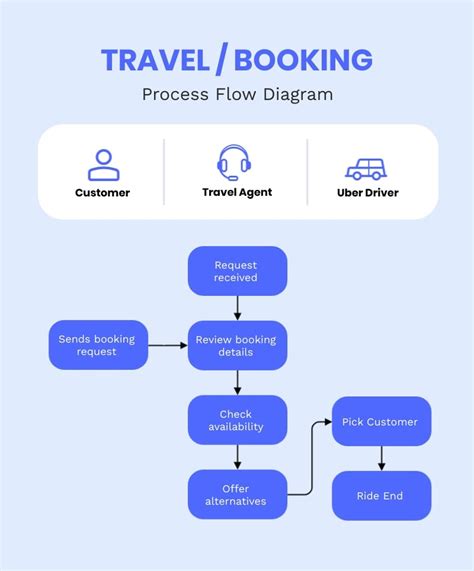
The convenience offered by online travel services cannot be understated. As busy lifestyles become the norm, travelers are increasingly looking for ways to save time and streamline their booking processes. Online platforms allow consumers to explore a range of options in real-time, enabling them to make informed decisions without the hassle of traditional travel agencies. The ability to compare prices, read reviews, and access personalized recommendations enhances the overall user experience, making online travel booking a preferred choice for many.
Furthermore, the rise of mobile bookings has transformed how travelers interact with online travel services. With smartphones becoming ubiquitous, mobile platforms are expected to capture a significant share of the market in the coming years. Travelers can now plan and book their trips on-the-go, ensuring that the travel experience is seamless from start to finish.
Market Segmentation: Understanding Consumer Preferences
The online travel market can be effectively segmented into various service types, platforms, and modes of booking. The primary segments include transportation, accommodation, and vacation packages. Among these, transportation is set to maintain its lead, largely due to the increasing prevalence of online flight bookings. The availability of budget-friendly travel options, alongside the expansion of connecting flights to major cities, plays a crucial role in boosting this segment.
When examining the modes of booking, two primary channels emerge: Online Travel Agencies (OTAs) and direct bookings with travel suppliers. OTAs have garnered popularity for their flexibility and comprehensive service offerings, while direct bookings are also experiencing growth as travelers seek to engage with airlines and hotel chains directly. This duality in booking preferences illustrates the diverse landscape of the online travel market.
Age Group Segmentation: Who is Booking Online?
Understanding consumer demographics is vital in navigating the online travel market. Age group segmentation reveals critical insights into who is driving demand for online travel services. The 32-43 years age group represents the largest share of the market. This demographic, often characterized by established careers and higher disposable incomes, tends to be frequent users of online travel platforms. Meanwhile, the 22-31 years age group is expected to experience the highest CAGR, reflecting the tech-savvy nature of younger travelers who actively utilize social media and online resources for travel inspiration.
Regional Growth Trends: North America and Beyond
Regionally, North America currently leads the online travel market, accounting for the largest share in 2020. This dominance is attributed to a strong demand for personalized services and a growing number of trips taken annually. Unique niches such as eco-tourism and agro-tourism are also gaining traction, contributing to the overall growth of the market.
However, the Asia-Pacific region, particularly countries like China, India, and Japan, is rapidly emerging as a significant player in the global online travel market. With increasing internet penetration and a burgeoning middle class, these countries are witnessing a surge in demand for online travel services, signaling a shift in the global travel landscape.
Transportation Dominates the Online Travel Market
The transportation segment of the online travel market was valued at $145.8 billion in 2020 and is projected to reach $670.6 billion by 2031, growing at a CAGR of 13.6%. This growth is primarily driven by the increasing volume of online flight bookings. The rise of low-cost carriers and the availability of budget-friendly travel options have significantly contributed to this trend, making air travel more accessible to a broader audience.
Additionally, the expansion of flight connectivity to tier I and II cities is fostering increased travel. Tier I cities, often characterized by high living expenses, see a surge in travel demand, while tier II cities benefit from moderate costs and improved infrastructure, leading to a balanced growth across various regions.
The Rise of OTAs: A Key Factor in Market Expansion
Online Travel Agencies (OTAs) have emerged as a dominant force in the online travel market, providing travelers with unparalleled flexibility and diverse options. OTAs not only facilitate flight bookings but also offer a wide array of services, including hotel reservations, bus tickets, and train bookings. This diversification allows OTAs to cater to the varied needs of modern travelers, helping them retain a strong market position.
While flight bookings remain the primary revenue source for OTAs, their expansion into non-air products signifies a strategic shift to address evolving consumer demands. By offering comprehensive travel solutions, OTAs are well-positioned to thrive in an increasingly competitive landscape.
Emerging Opportunities in the Online Travel Market
As the online travel sector continues to evolve, several opportunities for growth are emerging, particularly in developing markets. As internet access expands and disposable incomes rise, the demand for online travel services is set to increase. Innovative offerings such as discounts on international flights, travel packages, and cashback deals are expected to stimulate market growth.
New online platforms that allow travelers to compare prices, discover local experiences, and book tailored travel packages are gaining traction. These platforms offer value-added services, including personalized recommendations based on previous travel behavior, enhancing the overall customer experience and fostering loyalty.
Conclusion: The Future of Online Travel
The online travel market stands on the brink of significant growth, propelled by technological innovations, increasing internet access, and shifting consumer preferences. The rise of mobile bookings, the enduring popularity of OTAs, and the quest for personalized travel experiences are all contributing factors that will shape the market’s future. With projections indicating the online travel market could reach $1,835.6 billion by 2031, the industry is poised for an exciting evolution. As the landscape transforms, innovative solutions and tailored services will be essential in meeting the dynamic needs of today’s travelers, ensuring that the online travel sector continues to flourish.