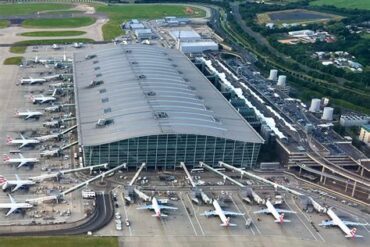
London Heathrow is entering 2026 with a renewed sense of momentum, quietly reshaping its long-haul landscape despite persistent slot scarcity and some of the highest operating costs in global aviation. For years, these barriers have discouraged newcomers, pushing many carriers toward alternatives like Gatwick. Yet, against the odds, a new wave of intercontinental operators is breaking through, signaling a strategic shift in how airlines view Heathrow’s premium positioning and unmatched global visibility.
What makes this development particularly striking is not just the arrival of new airlines, but the diversity of their business models. From legacy flag carriers reclaiming lost ground to ambitious network builders and niche luxury operators, Heathrow’s next chapter reflects a broader transformation in long-haul aviation demand. The result is a more dynamic, competitive, and unpredictable hub—one where opportunity is increasingly carved out through precision rather than scale.
By 2026, three distinct entrants—Pakistan International Airlines, Alaska Airlines, and BeOnd—will each bring a unique dimension to Heathrow’s evolving ecosystem.
Pakistan International Airlines Returns to Heathrow’s Spotlight
Pakistan International Airlines (PIA) is staging a notable comeback, restoring a long-interrupted connection between the UK and Pakistan’s primary gateway. After regulatory challenges sidelined Pakistani carriers from UK skies, the reopening of this corridor marks both a regulatory milestone and a commercial opportunity.
PIA’s Heathrow relaunch begins on March 29, aligned with the IATA summer schedule transition. The airline will operate three weekly Boeing 777-200ER flights from Islamabad, complemented by a weekly Lahore service starting the following day. This carefully measured capacity reflects both caution and confidence—re-entering a high-yield market while testing demand resilience.

The strategic importance of these routes cannot be overstated. Heathrow will become the only airport offering nonstop service between London and Pakistan, creating a competitive edge over indirect routings via Gulf hubs. This advantage is amplified by geopolitical disruptions that have reduced capacity through the Middle East, shifting passenger flows toward direct alternatives.
Operationally, the flights will take longer routings, often traversing Russian airspace to avoid restricted regions. While this adds complexity, the payoff lies in capturing a significant share of a market where nearly 75% of passengers previously relied on one-stop connections. PIA’s return is not just symbolic—it is a calculated move to reclaim relevance in a high-demand corridor.
Alaska Airlines Enters the Transatlantic Arena
Alaska Airlines’ arrival at Heathrow represents a bold step in its long-haul evolution. Traditionally focused on North American networks, the carrier is now extending its reach across the Atlantic, leveraging partnerships and newly acquired widebody capabilities.
Launching on May 21 from Seattle, with Heathrow arrivals beginning May 22, the route will operate daily using slots leased from American Airlines. This move places Alaska into direct competition with entrenched players—British Airways, Delta Air Lines, and Virgin Atlantic—on one of the most contested transatlantic corridors.
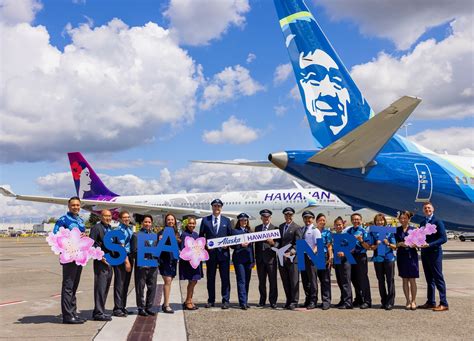
Seattle–Heathrow is already a well-established market, with approximately 270,000 annual local passengers. However, the addition of another daily frequency raises important questions about capacity saturation. Historical data shows that even major incumbents have faced challenges, with load factors occasionally dipping below optimal levels.
Alaska’s strategy hinges on connectivity and loyalty integration within the oneworld alliance, allowing it to funnel passengers beyond Seattle into a broader North American network. This hybrid model—blending point-to-point demand with connecting traffic—could prove decisive in sustaining yields.
Yet, the risk remains tangible. Entering a crowded market requires not just competitive pricing, but a differentiated onboard experience and schedule optimization. Alaska’s Heathrow debut is therefore less about immediate dominance and more about long-term positioning in the global aviation hierarchy.
BeOnd’s Premium Gamble from the Maldives
Perhaps the most intriguing addition is BeOnd, a boutique airline redefining long-haul travel through an all-premium cabin concept. Unlike traditional carriers chasing volume, BeOnd is targeting exclusivity—offering a high-end experience on a narrowbody Airbus A321ceo configured with just 68 seats.
Set to launch on December 16, the airline will connect Malé in the Maldives to Heathrow via a refuelling stop in Dubai Al Maktoum. While the routing introduces operational uncertainties—particularly given regional instability—it also reflects the limitations of narrowbody range on ultra-long sectors.

The Heathrow schedule itself raises eyebrows. Arrival is slated for 6:30 am, one of the airport’s busiest periods, suggesting that BeOnd has secured highly coveted peak-time slots. This is a remarkable achievement for a relatively small carrier, hinting at either strategic partnerships or innovative slot acquisition methods.
From a market perspective, BeOnd is tapping into a niche but lucrative segment: affluent leisure travelers seeking direct, seamless access between luxury destinations and global financial hubs. The Maldives–London route has long been dominated by one-stop itineraries, and a premium-focused alternative could reshape traveler expectations.
However, the model is not without risk. High fares, limited capacity, and operational dependencies create a narrow margin for error. Success will depend on consistent demand from a clientele that values comfort over cost.
A Defining Moment for Heathrow’s Future
The arrival of these three airlines underscores a broader shift in Heathrow’s role within global aviation. No longer defined solely by legacy dominance, the airport is becoming a stage for strategic experimentation and targeted expansion. Each new entrant reflects a different vision of long-haul travel—reconnection, competition, and specialization.
As 2026 unfolds, Heathrow’s ability to accommodate and sustain this diversity will be closely watched. Slot constraints remain a structural challenge, but they are increasingly being navigated through leasing, partnerships, and creative scheduling.
What emerges is a portrait of an airport that, despite its limitations, continues to command global attention. In an industry where access is everything, Heathrow remains not just relevant—but essential.