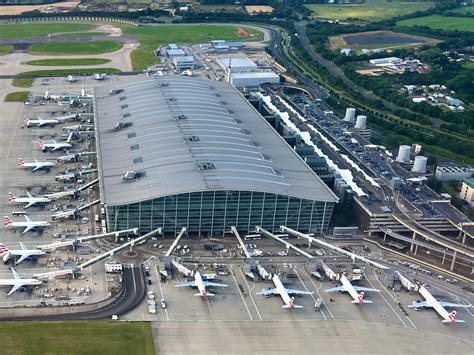
London Heathrow is entering 2026 with a sense of motion that feels both inevitable and carefully engineered. Airports never stand still, and at Europe’s busiest hub the constant churn of route additions and withdrawals is part of a much larger strategic rhythm. What makes this moment distinctive is the scale and diversity of change now locked into schedules: 14 confirmed routes launching through 2026, reshaping Heathrow’s short-haul and long-haul reach while quietly signaling how airlines see the next phase of global demand.
This is not a sudden pivot but the visible outcome of years of network planning, slot negotiations, and shifting alliances. Airlines ultimately decide where aircraft fly, yet Heathrow’s gravitational pull remains strong enough to attract returning carriers, debut operations, and revived destinations that once seemed consigned to history. Taken together, the confirmed routes form a revealing snapshot of how premium hubs evolve when capacity is scarce but demand is stubbornly resilient.
The current schedule data, drawn from industry planning systems as of late January, already hints at further refinements ahead. Some services will mature into year-round staples, others will test seasonal demand, and a few are likely placeholders for larger ambitions. What is certain is that Heathrow’s 2026 route map will look notably different from what passengers see today.
A Network Reset Driven by Airlines, Not Headlines
Behind the headlines sits a quieter truth: Heathrow’s route shake-up reflects airline priorities more than airport ambition. The confirmed additions show carriers doubling down on proven long-haul flows, selectively reopening European leisure links, and experimenting with underserved city pairs that align with modern fleet economics. Widebody efficiency, alliance cooperation, and slot optimization are doing more of the work than grand political announcements.
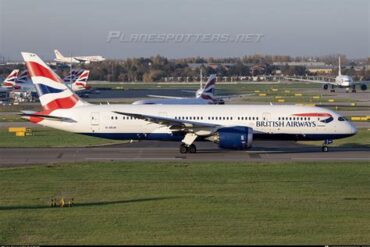
British Airways features prominently, reinforcing Heathrow’s role as its primary global platform. Virgin Atlantic’s choices underline how partnerships and alliance shifts can unlock routes that once looked marginal. Low-cost and hybrid carriers, meanwhile, are carving space where premium capacity once dominated, a sign that Heathrow’s portfolio is broadening rather than fragmenting.
The 14 Routes Set to Launch from Heathrow in 2026
From February through October, the confirmed routes span Asia, North America, and Europe, blending returning links with genuinely new territory. Delhi joins Heathrow’s map via IndiGo, adding competitive pressure on an already dense corridor. Pakistan International Airlines makes a long-awaited comeback with services to Lahore and Islamabad, restoring connectivity severed for years by regulatory barriers. ITA Airways returns to Rome Fiumicino, consolidating its London presence back at Heathrow after a Gatwick interlude.
Further east, Virgin Atlantic’s Seoul Incheon launch reflects the evolving dynamics of SkyTeam cooperation and the Korean aviation market’s consolidation. Phuket reappears as a scheduled Heathrow destination for the first time in normal operating conditions, signaling confidence in long-haul leisure demand. On the transatlantic side, British Airways expands with St. Louis and Orlando, while Alaska Airlines’ Seattle debut marks a notable new entrant into Heathrow’s long-haul club.
Alaska Airlines and the Signal from Seattle
Alaska Airlines’ arrival at Heathrow is more than a single route announcement. It represents the airline’s most assertive long-haul statement to date, built around Seattle as a transpacific and transatlantic bridge. The daily Boeing 787-9 service underscores how mid-sized widebodies have changed what is commercially viable between secondary hubs and primary gateways.
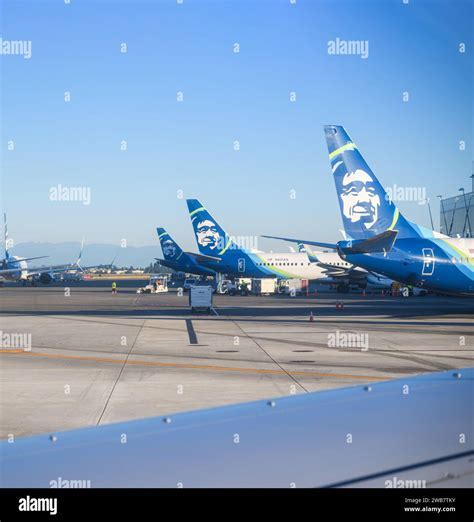
For Heathrow, the route adds depth to North American connectivity without relying on the traditional legacy giants. For Alaska, it opens access to Europe’s most lucrative premium market, with future fleet developments hinting at even greater ambitions. This is a partnership-friendly, alliance-agnostic move that fits neatly into the modern aviation playbook.
IndiGo’s Calculated Heathrow Expansion
IndiGo’s second Heathrow route, linking Delhi to London, illustrates how fast-growing carriers approach constrained hubs with tactical precision. Operating up to five weekly flights, the service expands India–UK capacity while navigating the ongoing necessity for Indian airlines to avoid Pakistani airspace. The resulting detours increase flight time and fuel burn, yet IndiGo’s scale and cost discipline make the route viable even under these constraints.
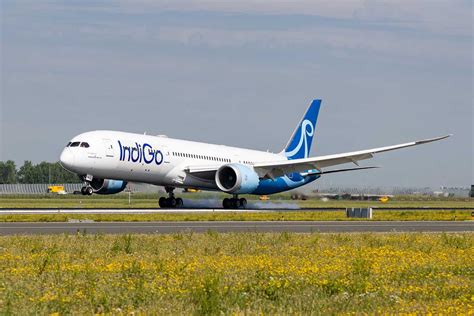
Slot season limitations mean the Delhi service currently fits into a narrower window than the airline’s Mumbai operation, but the intent is unmistakable. IndiGo is testing Heathrow as a long-term pillar of its international network, not a short-term experiment.
Returns, Revivals, and the Power of Memory
Several of the 2026 routes trade on nostalgia as much as novelty. Vueling’s return to Seville reconnects Heathrow with a leisure market absent for more than a decade. British Airways’ Guernsey service revives a link dormant since the 1980s, reflecting renewed confidence in regional connectivity. Pakistan International’s use of its own aircraft again at Heathrow restores a sense of continuity for a diaspora market long underserved.
These revivals matter because they show how routes rarely disappear forever. Economic cycles, fleet changes, and geopolitics may pause connectivity, but demand has a habit of resurfacing once conditions align.
St. Louis: Heathrow’s Only Truly New Dot
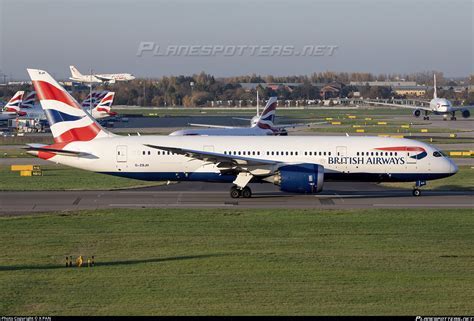
Amid all the returns, St. Louis stands alone as the only destination never previously served from Heathrow. British Airways’ four-weekly service introduces a fresh transatlantic city pair, linking the UK directly with the American Midwest in a way Heathrow has never seen before. The route leans on modern aircraft economics rather than historical precedent, suggesting confidence that premium and corporate demand can be cultivated, not just inherited.
What the 2026 Shake-Up Really Means
Taken together, Heathrow’s 14 confirmed routes reveal a hub adapting to constraint with creativity rather than expansion. With runway capacity fixed, growth comes from smarter deployment, sharper targeting, and airlines willing to experiment within tight margins. The 2026 schedule is less about spectacle and more about substance, strengthening Heathrow’s role as a global connector while acknowledging that every slot must justify its existence.
This reshaped network does not close the book on change. It opens a new chapter, one where incremental additions quietly redraw the map, and where Heathrow’s future is written not in grand projects but in carefully chosen destinations that reflect how the world actually wants to fly.