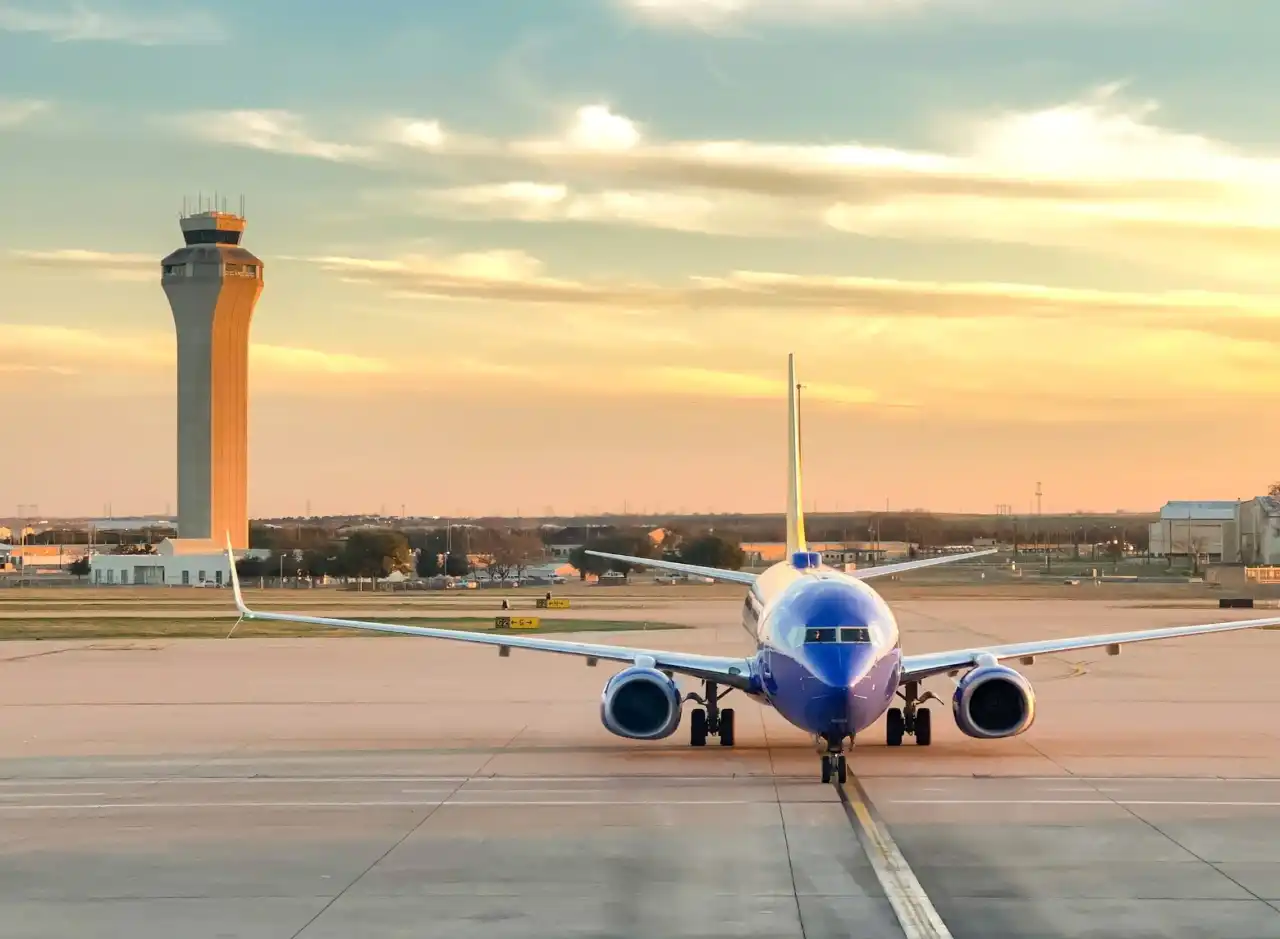
The city of Austin, Texas is making a calculated bet on aviation’s most iconic low-cost carrier: Southwest Airlines. A proposed incentive package—scheduled for a crucial city council vote this Thursday—could signal the start of a transformative era for Austin–Bergstrom International Airport (AUS) and potentially reshape Southwest’s route map across the region and beyond.
This bold move reflects a high-stakes collaboration between a fast-growing city and a dominant airline partner. Southwest already commands over 42% of market share at AUS, more than American, Delta, and United combined, and is poised to grow further with the development of a new terminal by 2030, where it will become the anchor tenant.
A Strategic Pact Rooted in Local Growth and Long-Term Vision
At the core of this initiative is a performance-based incentive deal that’s as much about people as it is about planes. The city’s offer includes up to $5 million in incentives tied to Southwest’s commitment to hire locally, with an expected 2,000 new jobs created—each one eligible for a $2,750 hiring bonus if the employee is an Austin resident. These are not just any jobs. With average annual wages near $180,000, the economic ripple could be massive.
This workforce strategy is deeply interwoven with the City of Austin Infrastructure Academy, a program Southwest is expected to integrate with. The goal is clear: invest in a talent pipeline that feeds directly into the city’s largest airline, ensuring Austinites benefit from the expansion in more than just airport convenience.
AUS Terminal Expansion: The Gateway to a New Network Frontier
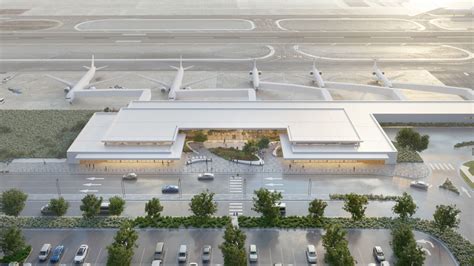
The new terminal under construction at AUS represents more than just additional gates. It’s a launchpad for a renewed, possibly more ambitious, Southwest route network. While the carrier already flies to 45 year-round and 10 seasonal destinations from Austin—including domestic hubs and select Latin American and European gateways—the incentive package could provide the economic backing to take bigger risks on underserved or long-haul markets.
Southwest’s upcoming service additions include year-round routes to Cincinnati and Seattle, plus seasonal links to Fort Myers, Hayden/Steamboat Springs, and Palm Springs. With reduced financial exposure through city incentives, the carrier could accelerate the pace of such launches, potentially introducing international links or tapping into niche domestic markets overlooked by legacy competitors.
The Economics Behind the Incentives
From a fiscal perspective, the incentives are no giveaway. The city anticipates an impressive $20 million annual return in tax revenue, dwarfing the initial investment. With existing revenues already topping $11.8 million from retail, property, and hotel taxes linked to Southwest’s current activity, this move could redefine what strategic public-private airport partnerships look like.
Notably, 10% of job bonuses will support Austin’s Childcare Assistance Reserve Fund, embedding a social equity dimension into the deal. This approach underscores Austin’s bid not just to grow economically, but to grow responsibly.
Airport Incentives: A Necessary Risk for Low-Cost Carriers
Incentives like these are not new—but they are particularly impactful for carriers like Southwest, which operate on tight margins. Financial perks, such as fee waivers, marketing support, and direct subsidies, allow airlines to expand capacity and test new markets with lower risk. For cities, they offer a shortcut to economic stimulation, tourism growth, and improved connectivity.
However, such packages must navigate a strict regulatory landscape. The FAA mandates that incentives remain temporary and promotional, guarding against anti-competitive practices. Austin’s five-year plan appears to align with these standards while offering meaningful duration for network experimentation.
Can This Change the Route Map? The Stakes Are Real
The implication of these developments extends well beyond city limits. If Southwest seizes the opportunity, Austin could become a strategic operational node, perhaps even a mid-continent hub bridging east-west and north-south flows with greater efficiency. That possibility depends on sustained performance, robust local hiring, and execution of a cohesive expansion strategy.
As cities across the country vie for limited airline capacity, Austin’s proactive, data-backed approach may serve as a blueprint for how to attract and retain a dominant carrier. With smart incentives, civic alignment, and growing passenger demand, this city just might succeed in redrawing Southwest’s route map in bold new ways.