
On May 7, 2025, a milestone in domestic air travel will quietly reshape connectivity between Florida and Texas. As millions of travelers adjust to the new REAL ID regulations at airport security, Delta Air Lines is seizing the moment to unveil a strategically timed and regionally impactful route: a new nonstop flight between Jacksonville International Airport (JAX) and Austin-Bergstrom International Airport (AUS). The move underscores Delta’s keen understanding of shifting traveler behaviors, economic corridors, and cultural touchstones.
Strategic Expansion Amid Real ID Rollout
This launch isn’t merely symbolic. May 7 marks the date the Transportation Security Administration (TSA) enforces its long-postponed REAL ID requirement, demanding updated forms of identification to clear airport checkpoints. In tandem with this, Delta’s new year-round nonstop JAX-AUS route signals a recommitment to strengthening domestic routes—particularly those that align with key cultural and economic destinations.
Austin, increasingly known as the Silicon Hills of the South, is home to tech giants, innovative startups, and marquee events like SXSW and Austin City Limits. The new Delta route connects Northeast Florida’s coastal energy with Central Texas’s urban dynamism. It opens streamlined travel for students, entrepreneurs, remote professionals, and festivalgoers, reducing previous travel burdens that often included inconvenient layovers.
According to Delta, this route aims to “bring new visitors into JAX’s vibrant coastal city” while simultaneously offering Jacksonville locals unparalleled access to one of the fastest-growing metros in the country. In effect, it forges a direct line between two cities at pivotal inflection points in their respective growth trajectories.
Inside the Aircraft: Comfort and Capacity in the Skies
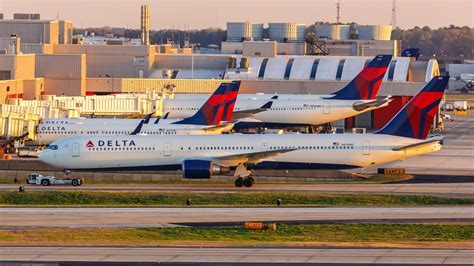
Passengers on the new Jacksonville-Austin route can expect varied aircraft depending on flight schedules and operational needs. Delta has confirmed the use of the Embraer 175, Boeing 757, and Airbus A321 for this leg. Each aircraft type offers a unique in-flight experience:
- The Embraer 175, a regional jet known for its comfort and efficiency, features a 2-2 seat configuration that eliminates the dreaded middle seat.
- The Airbus A321, one of the most advanced single-aisle aircraft in the sky, offers increased cabin space and fuel efficiency.
- The Boeing 757, though aging, still provides strong performance on medium-haul routes and is appreciated for its takeoff power and cabin size.
This rotation of aircraft underscores Delta’s flexibility in adapting to fluctuating demand, weather constraints, and customer volume.
Jacksonville to Austin: A Bridge Between Emerging Hubs
The addition of this direct route is not just about convenience—it’s a signal of growing importance in two mid-sized U.S. cities poised for national significance. Jacksonville, with its expansive beaches, naval base, and growing financial services industry, is increasingly viewed as a viable counterpart to more congested Florida metros like Miami or Orlando.
Austin, meanwhile, continues to lure not just musicians and tech startups, but major corporate relocations, including Tesla, Oracle, and Google expansions. The timing of this route suggests Delta sees a significant uptick in passenger interest between the two locales—not simply from tourists, but from business travelers, digital nomads, and remote workers balancing a flexible lifestyle.

Florida’s Air Network Evolves: More Than Just Sunshine Flights
The new JAX-AUS service isn’t happening in a vacuum. It follows on the heels of Delta’s twice-daily nonstop service from Austin to Panama City, launched in March, and precedes the upcoming Austin to Tampa route in June. This pattern reveals a deliberate strategy: Delta is intensifying its Florida-Texas corridor.
Notably, Delta already serves 16 airports across Florida, from major hubs like Orlando International (MCO) and Miami International (MIA) to regional airports like Gainesville (GNV) and Key West (EYW). This vast network gives the airline leverage to route flights efficiently while responding to demand spikes.
Moreover, the airline’s operational choices suggest a laser-focus on seasonality and capacity optimization. For instance, Austin-Orlando service will increase to twice daily during winter’s peak travel season, capturing both holiday and snowbird travel demand.
Airline Strategy Amid Broader Industry Caution
It’s essential to understand this expansion in the context of Delta’s April announcement to slow overall growth plans due to global trade uncertainty. While international and transborder flights continue to face challenges—linked to geopolitical tensions, immigration policy, and fuel price volatility—Delta is turning inward, reinforcing high-performing domestic routes.
Delta CEO Ed Bastian has noted the company’s recalibration strategy amid volatile macroeconomic signals. This aligns with a broader industry trend: airlines are now prioritizing domestic market depth over the riskier international landscape. The U.S. domestic travel market, especially between key metros like Jacksonville and Austin, provides predictability and higher load factor control.
Ticket Availability and Booking Momentum
Delta has officially released tickets for the Jacksonville-Austin flight, with early reports indicating solid booking activity—particularly around tech event dates and university academic calendars. The direct service also benefits passengers leveraging connecting flights at either end—whether linking through Hartsfield-Jackson Atlanta International Airport (ATL) or accessing West Coast cities through Austin’s growing network.
Given Delta’s robust SkyMiles loyalty program and tiered pricing strategy, expect competitive introductory rates followed by adjusted fares based on demand patterns. Frequent flyers from both cities will likely find value in accumulating points and accessing premium cabin options on the larger aircrafts like the A321 or 757.
Competing Airlines and Market Impact
While Southwest Airlines and American Airlines also offer service between Florida and Texas, Delta’s newest flight adds complexity to the market’s competitive landscape. The use of larger aircraft and increased frequency could pressure other carriers to enhance amenities, adjust pricing, or revise schedules.
Importantly, this move allows Delta to fortify its East-West domestic corridors, ensuring it competes effectively across time zones and business cycles. Whether it’s a day trip to a pitch meeting or a weekend music festival, Delta aims to make itself the first-choice airline for this trans-Sunbelt route.
The Broader Travel Environment: Fewer Borders, More Domestic Leverage
This domestic expansion is a direct response to changing international travel patterns, which have seen a decline due to policy crackdowns and global instability. Following a period of volatile passenger trends and international retractions, airlines like Delta are leaning into strategic domestic growth—particularly in markets with high ROI.
The addition of the JAX-AUS flight reflects that reality. It’s a calculated step that lets Delta preserve market share and capitalize on the geographic and economic alignment of two emerging metropolitan markets.
Looking Ahead: Delta’s 2025 and Beyond
As Delta celebrates its 100th anniversary, the company seems poised to focus less on high-risk international gambits and more on surgical domestic expansions. Routes like JAX-AUS are emblematic of this strategy—moderate investment, high potential, strong demographic targeting.
In parallel, the airline will continue rolling out other new routes in December 2025, including:
- Southwest Florida International Airport (RSW) to Salt Lake City International Airport (SLC)
- New York’s JFK to Eagle County Regional Airport (EGE) in Colorado
- New York’s LaGuardia to Bozeman Yellowstone International Airport (BZN) in Montana
These decisions reflect Delta’s willingness to test seasonal routes and evaluate market sustainability before making long-term commitments.
Conclusion: A Route Worth Watching
The new nonstop flight from Jacksonville to Austin is far more than a logistical convenience—it’s a symbol of how airlines are recalibrating in real-time to meet traveler demand, regional growth, and post-pandemic behavioral shifts. In linking two cities with expanding influence, Delta isn’t just connecting dots on a map—it’s weaving new threads into the fabric of American air travel.
Tickets are now live. The sky between Jacksonville and Austin just got a whole lot closer.