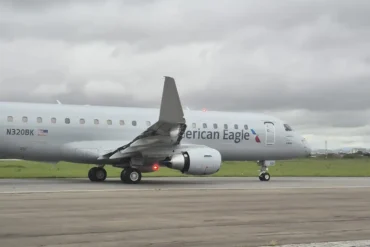
Flying has become more utilitarian in recent years, but certain aircraft still offer a surprisingly premium experience—even when operating under regional brands. One such gem in the skies is the Embraer E175, a regional jet that consistently redefines expectations. Despite its classification, the E175 delivers a level of comfort, design intelligence, and in-flight experience that often surpasses narrow-body mainline jets. After extensive flying across domestic routes, we confidently regard the E175 as a favorite for both business and leisure travel. Here’s exactly why.
Spacious Comfort: No Middle Seats and Generous Seat Width
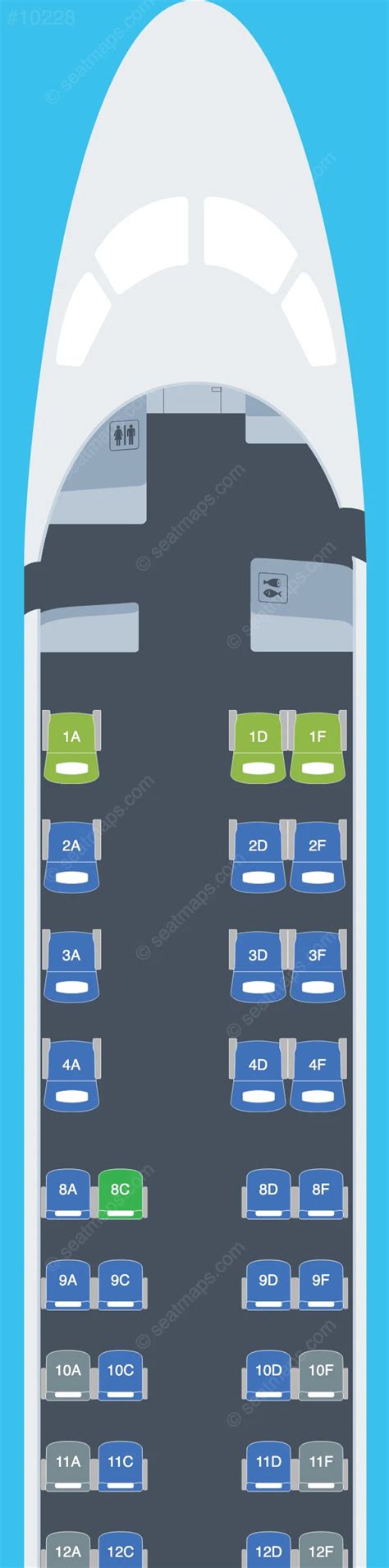
Let’s begin with the core of passenger satisfaction—seat comfort. The Embraer E175 features an economy layout of 2-2 seating, meaning no one is ever trapped in a middle seat. This configuration dramatically improves personal space and mitigates the psychological discomfort that often accompanies more congested cabins.
Seat width exceeds 18 inches, placing it among the most generous in economy class across the domestic market. That’s not just a number—it translates to reduced shoulder contact, easier use of armrests, and a more breathable cabin experience. In a world where inches make the difference between tolerable and uncomfortable, this is a game-changer.
For travelers fortunate enough to secure a bulkhead seat in economy, the experience borders on luxury. These seats offer nearly unlimited legroom, rivaling or surpassing many first-class rows on larger aircraft. Regular flyers often exploit this by using last-minute check-in adjustments to snag these prime spots.
Exceptional First Class Ratio Enhances Upgrade Potential
One of the lesser-known benefits of flying the E175 lies in its unique seat-to-cabin ratio, particularly in first class. With a total of 76 seats and 12 dedicated to first class, roughly 16% of the cabin is premium—a significantly higher proportion compared to American Airlines’ 737s, which offer only 16 first-class seats out of 172 total (~9%).
This enhanced ratio isn’t just an arbitrary design choice—it directly benefits frequent flyers. The likelihood of complimentary upgrades increases, especially for those with elite status. On routes served by the E175, we’ve seen upgrade lists shrink considerably, offering better odds and a more consistent premium travel experience.
The design is influenced in part by scope clauses, union agreements that cap regional jet size and weight. To maximize comfort and marketability within the 76-seat cap, airlines opt for a more premium configuration rather than packing in up to 88 all-economy seats. This is one scenario where labor contracts inadvertently enhance passenger experience.
Solo Travel Perfection: The First Class Throne Seat
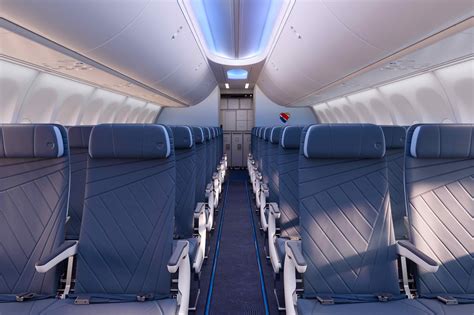
First class in the E175 is arranged in a 1-2 configuration, an unusual but brilliant setup. For solo travelers, the single-seat side—often called the “throne seat”—provides both window and aisle access, creating an oasis of privacy and accessibility not found on other jets.
Unlike traditional configurations where solo travelers must choose between elbow contact and window views, the E175’s throne-style seat delivers the best of both worlds. You get an unobstructed window view, no shared armrest, and full aisle access without stepping over anyone.
This seat alone makes the aircraft ideal for business travelers and solo flyers seeking productivity or rest without compromise. Once you’ve experienced it, going back to a conventional layout feels like a downgrade.
Panoramic Views Through Wider, Eye-Level Windows
Window size and placement might seem trivial—until you’re sitting in an E175. The aircraft features substantially larger windows than most narrow-body jets, placed perfectly at eye level. This detail, often overlooked, enhances everything from daylight exposure and psychological openness to in-flight sightseeing.
These windows offer a more expansive view of cloudscapes, cities, and coastlines, making the flight feel more connected to the world below. Whether flying during sunrise, sunset, or over scenic terrain, the visual immersion elevates the journey in ways few regional jets can match.
From a design perspective, it’s clear that passenger experience was not an afterthought, but a core part of the E175’s engineering philosophy.
Mainline Jet Experience Without the Downsides
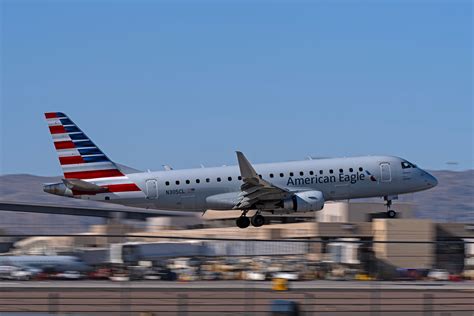
Despite being a regional aircraft, the E175 feels every bit like a mainline jet. Several aspects contribute to this perception:
- Cabin Height and Width: Passengers can walk down the aisle without crouching, a stark contrast to the claustrophobic feel of aircraft like the CRJ-700.
- Overhead Bin Capacity: The bins accommodate full-size carry-on bags, reducing gate-check hassle and boarding delays.
- Quieter Cabin: The E175’s engines are mounted under the wings rather than on the fuselage tail. This dramatically reduces cabin noise, creating a more tranquil in-flight environment similar to what you’d find on an Airbus A320 or Boeing 737.
- Smooth Ride Quality: The aircraft’s wing design and weight distribution ensure stable handling, minimizing turbulence sensations and improving overall ride quality.
This blend of quiet, space, and carry-on compatibility mirrors the experience of flying on larger aircraft, while often avoiding their congestion and logistical delays. For short-to-medium haul routes, it strikes the perfect balance.
Minor Gripes: Connectivity Caveats and What’s Ahead
No aircraft is without flaw, and for the E175, the main shortcoming lies in slower onboard Wi‑Fi, particularly when flying with American Eagle’s older Gogo-based systems. However, American Airlines is already in the process of upgrading connectivity across the regional fleet, promising better speeds and more reliable streaming in the near future.
We’ve found this to be a minor inconvenience, especially considering the significant comfort advantages. Most short flights served by the E175 are under two hours, making slower internet less of a dealbreaker than on long-haul journeys.

Why the E175 Often Beats an A320 or 737
In many instances, we find ourselves preferring the E175 to traditional narrow-body aircraft like the A320 or 737. While those jets offer longer range and broader usage, they also carry downsides: larger boarding crowds, more middle seats, tighter personal space in economy, and often a less personalized flight experience.
With the E175, you board quickly, find overhead bin space without struggle, enjoy a peaceful cabin, and often arrive less fatigued. The aircraft’s human-scale proportions result in a more pleasant, less chaotic environment, which can make all the difference after a long day of travel.
For frequent travelers and aviation enthusiasts alike, the E175 isn’t just another regional jet—it’s a strategic choice for those who value comfort, efficiency, and premium touches on short to medium-haul routes.
Final Thoughts: The Embraer E175 Sets the Standard for Regional Comfort
Airlines often overlook regional routes when it comes to passenger comfort, but the Embraer E175 proves that smaller aircraft don’t have to mean smaller expectations. With no middle seats, superior seating geometry, first-class throne seats, panoramic windows, and a mainline-level experience, the E175 consistently outperforms its peers.
As airlines continue to modernize fleets and prioritize passenger experience, the E175 stands as a template for how regional aviation should feel—comfortable, quiet, spacious, and efficient. Whether you’re flying for business or pleasure, choosing a route operated by this aircraft is always a win.
We welcome every opportunity to fly it again—and we know many seasoned travelers feel the same.