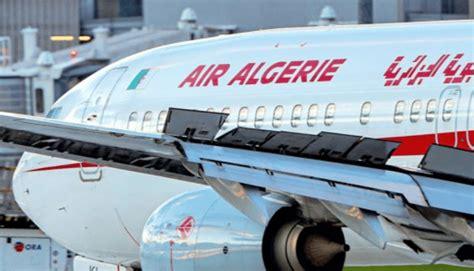
Air Algérie has moved decisively to reshape its narrowbody fleet, securing ten Boeing 737 MAX 8 aircraft in a strategic agreement that underscores both urgency and ambition. The deal, finalized with Boeing, reflects a broader national push to elevate Algeria’s civil aviation sector while positioning the flag carrier for network expansion, operational efficiency, and enhanced passenger experience. By tapping into already-produced aircraft, the airline sidesteps traditional delivery delays and gains a rare time advantage in a supply-constrained market.
The acquisition is not merely a fleet addition—it is a calculated step within a state-backed aviation modernization agenda. Official statements confirm the purchase aligns with directives aimed at strengthening Algeria’s connectivity and competitiveness. For Air Algérie, the timing is critical: regional travel demand is rebounding, and competition across North Africa is intensifying, making fleet renewal both a defensive and offensive move.
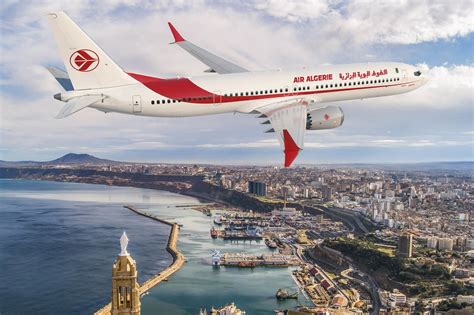
Crucially, the airline will begin inducting these jets almost immediately. Five aircraft are scheduled for delivery within the current year, with the first arrival expected as early as July. The remaining five will follow in 2027, ensuring a steady integration process while maintaining operational continuity. This accelerated timeline distinguishes the deal from conventional aircraft orders, which often stretch across several years.
Fast-Tracked Deliveries Through Strategic Reallocation
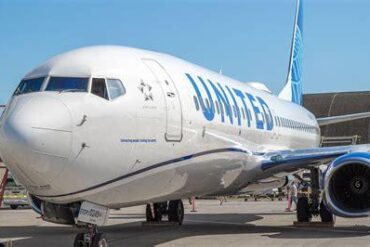
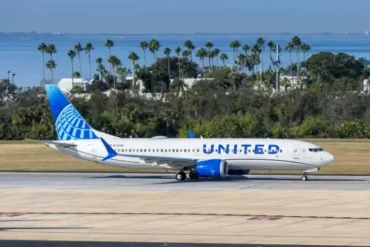
What makes this order particularly notable is its origin. Rather than entering Boeing’s extensive production queue, Air Algérie has acquired aircraft originally built for GOL Linhas Aéreas Inteligentes, a Brazilian carrier that ultimately did not take delivery. These completed jets remained in Boeing’s inventory, creating a unique opportunity for rapid reassignment.
This approach highlights a growing trend in commercial aviation: airlines leveraging white-tail aircraft—completed but undelivered jets—to bypass long waiting periods. For Air Algérie, this translates into immediate capacity gains without the uncertainty of production backlogs. In a market where delivery slots for popular narrowbodies like the 737 MAX are increasingly scarce, such agility offers a tangible competitive edge.
The move also benefits Boeing, allowing the manufacturer to reduce idle inventory while reinforcing confidence in the 737 MAX program, which continues to recover momentum globally.
Fleet Modernization Anchored in Proven Boeing Lineage
Air Algérie’s decision to double down on the 737 platform is rooted in operational familiarity. The airline already operates a substantial fleet of Boeing 737 Next Generation (NG) aircraft, including 25 units of the widely used 737-800. However, these jets carry an average age exceeding 16 years, signaling an urgent need for renewal.
Even older are the carrier’s 737-600 aircraft, with an average age approaching 24 years. While these jets have served reliably, they lack the efficiency and passenger comfort demanded in today’s market. The introduction of the 737 MAX 8 marks a generational leap, offering lower fuel consumption, reduced emissions, and improved cabin features.
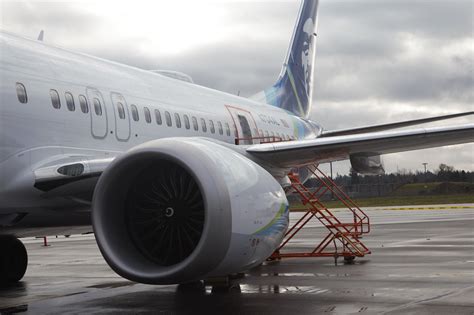
Beyond passenger operations, the airline’s mixed-use fleet—including combi and freighter variants—illustrates its reliance on the 737 platform across multiple roles. Transitioning to the MAX family ensures fleet commonality, minimizing training costs and simplifying maintenance logistics while unlocking performance gains.
Enhancing Passenger Experience and Network Reach
The 737 MAX 8 is not just an operational upgrade—it is a customer experience transformation tool. Equipped with quieter engines, improved cabin pressurization, and modern interiors, the aircraft is designed to meet evolving traveler expectations. For Air Algérie, this translates into a more competitive product on both regional and medium-haul routes.
Network expansion is another central objective. With increased range and efficiency, the MAX 8 enables the airline to explore new destinations and optimize existing routes, particularly across Europe, the Middle East, and sub-Saharan Africa. This aligns with Algeria’s broader ambition to position itself as a gateway between continents, leveraging its geographic advantage.
The phased delivery schedule supports this strategy, allowing the airline to gradually deploy capacity where demand is strongest while retiring older aircraft in parallel.
Complementing the Larger 737 MAX 9 Commitment
This latest order builds upon Air Algérie’s earlier commitment to the 737 MAX 9, announced at the 2023 Paris Air Show. That deal, covering eight aircraft, is tailored to routes requiring higher capacity while maintaining operational flexibility.
The combination of MAX 8 and MAX 9 variants creates a versatile narrowbody fleet, capable of adapting to fluctuating demand across different markets. The MAX 9, with its extended fuselage, is particularly suited for high-density regional routes, while the MAX 8 offers balanced performance across a wider network.
Deliveries of the MAX 9 are expected to begin in 2027, aligning with the latter phase of the MAX 8 rollout. Together, these aircraft will form the backbone of Air Algérie’s future operations, replacing aging units and supporting long-term growth.
Strategic Implications for Boeing and African Aviation
For Boeing, the agreement reinforces its foothold in the African market, where airlines are increasingly seeking fuel-efficient, next-generation aircraft to support expansion. Securing repeat business from Air Algérie signals confidence in the 737 MAX family at a time when global competition with Airbus remains intense.
From a regional perspective, the deal reflects a broader shift. African carriers are moving beyond incremental upgrades toward comprehensive fleet transformation strategies, driven by rising demand, tourism development, and economic diversification.
Air Algérie’s bold procurement approach—combining speed, scale, and strategic alignment—positions it as a leading example of this transition. By capitalizing on available aircraft and synchronizing acquisitions with national objectives, the airline is not just modernizing its fleet—it is redefining its role in a rapidly evolving aviation landscape.
In an industry where timing often determines success, Air Algérie has secured something rare: immediate capability with long-term vision.