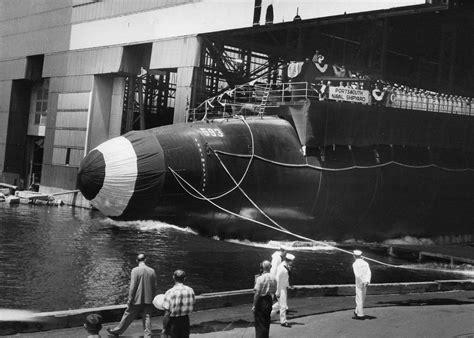
Submarines have long been symbols of technological power and strategic dominance at sea, but they also carry inherent dangers. When nuclear-powered submarines emerged in the mid-20th century, they revolutionized naval warfare — yet their complexity meant that a single failure could result in disaster. The deadliest nuclear submarine accident in history, the sinking of the USS Thresher (SSN-593) in 1963, remains a defining tragedy of naval engineering and safety oversight. This incident not only claimed 129 lives but also reshaped submarine safety protocols for generations to come.
The Rise of Nuclear Submarines and Unseen Dangers
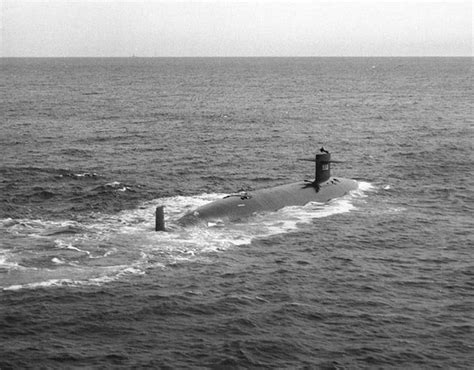
Submarines entered modern warfare during World War I, when Germany’s U-boat campaigns threatened to cut off vital supply lines. By World War II, submarines had become indispensable, spurring rapid innovations in sonar, torpedoes, and anti-submarine warfare. The post-war era introduced the nuclear submarine, starting with the USS Nautilus in 1954, a milestone that gave navies unmatched range and endurance. However, these vessels were not without grave risks.
By the early 1960s, the United States Navy possessed the largest and most advanced nuclear submarine fleet in the world. These submarines operated in total secrecy and often at extreme depths, where any mechanical or structural failure could quickly become fatal. Though nuclear submarines rarely saw combat — the most famous instance being the HMS Conqueror’s sinking of the ARA General Belgrano during the Falklands War in 1982 — peacetime operations carried their own dangers. The USS Thresher tragedy became a grim reminder of just how vulnerable even the most advanced submarines could be.
April 10, 1963: A Routine Test Dive Turns Deadly
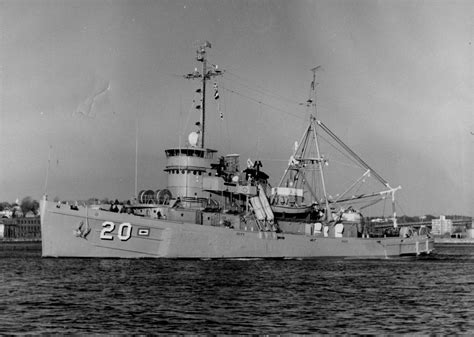
On April 10, 1963, the USS Thresher embarked on what was supposed to be a routine deep-dive test, paired with the USS Skylark, a submarine rescue ship. They were positioned 220 miles off Cape Cod, Massachusetts, in waters that plunged over 8,000 feet — ideal for testing the Thresher’s maximum operational depth.
At first, communication between the two vessels proceeded normally. The Thresher reported that it was descending to a scheduled test depth of 1,300 feet. But then transmissions became garbled. In fragments, the Skylark’s crew interpreted that the Thresher was facing a “minor difficulty.” Minutes later, their sonar detected the unmistakable sound of a catastrophic implosion. In an instant, the Thresher had vanished.
The implosion killed all 129 sailors and civilian specialists aboard. It was the deadliest submarine disaster in U.S. history. Despite the Navy’s rapid deployment of rescue vessels, the depth and violence of the implosion made survival impossible. What began as a controlled dive ended as one of the darkest days in naval history.
Investigating the Impossible: Why Did the Thresher Sink?
The Navy convened a formal court of inquiry, but without survivors or witnesses, reconstructing events was challenging. Based on available evidence, investigators determined that the most likely cause was a piping failure in the engine room. A ruptured pipe may have allowed saltwater to flood the engine spaces, leading to a cascade of failures:
- Reactor shutdown: The incoming seawater likely triggered an emergency reactor shutdown, cutting off propulsion.
- Loss of buoyancy control: Flooding disabled the ballast tanks, preventing the submarine from surfacing.
- Hull collapse: As the submarine continued descending uncontrollably, it exceeded its crush depth, resulting in a sudden, catastrophic implosion.
This series of failures happened too quickly for the crew to respond effectively. One second they were troubleshooting a “minor” issue, and within minutes, the Thresher was destroyed at a depth estimated to be beyond 2,400 feet.
A Deadly Pattern: Other Nuclear Submarine Disasters
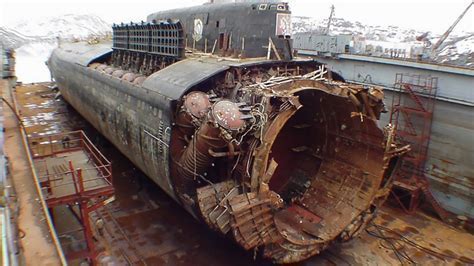
The USS Thresher remains the most fatal nuclear submarine disaster, but it was not the last. The sinking of the USS Scorpion (SSN-589) in 1968 claimed 99 lives, likely due to an accidental torpedo activation. The Russian submarine Kursk tragedy in 2000 killed 118 sailors after a torpedo explosion. Other Soviet losses included the K-8 in 1970 (52 dead) and the Komsomolets in 1989 (42 dead). Each of these disasters exposed the high stakes of operating nuclear submarines.
But unlike those incidents, the Thresher’s failure stemmed from quality control shortcomings. This was not an isolated equipment malfunction; it was a systemic problem with how submarine components were inspected, tested, and certified.
How the USS Thresher Changed Submarine Safety Forever
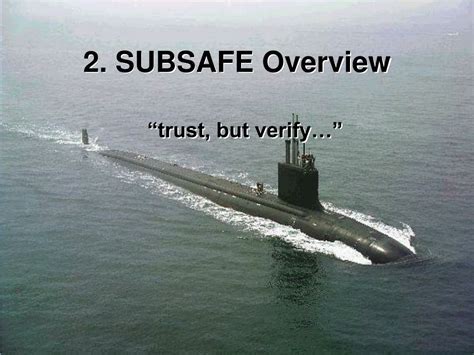
In the wake of the Thresher tragedy, the Navy implemented one of the most comprehensive safety overhauls in its history: the SUBSAFE program. Launched in 1963, this program aimed to ensure that every submarine could recover from flooding and surface in an emergency. SUBSAFE introduced rigorous measures, including:
- Multiple verification steps for every critical component.
- Independent inspections and audits before, during, and after installation.
- Detailed documentation and accountability for every stage of submarine construction.
These exhaustive protocols transformed how submarines were built and maintained. And the results speak for themselves: since the implementation of SUBSAFE, no SUBSAFE-certified submarine has ever been lost at sea.
The Human Cost: Remembering the 129 Lost on the Thresher
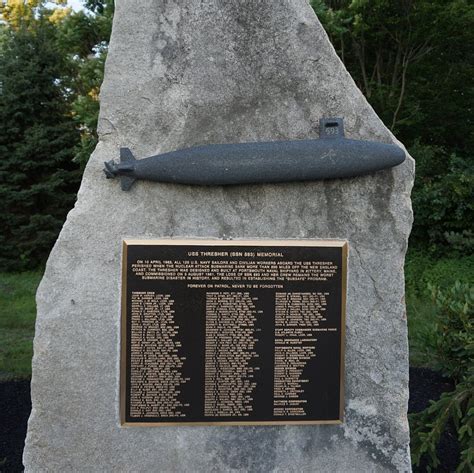
While the technical causes of the disaster have been scrutinized for decades, the human dimension remains equally important. The 129 men aboard the Thresher — including Navy personnel and civilian technicians — were fathers, sons, and husbands. Their loss left families shattered and communities in mourning. Annual memorial ceremonies continue to honor their sacrifice, ensuring the lessons learned from their deaths are never forgotten.
Legacy of the Worst Nuclear Submarine Accident
The sinking of the USS Thresher was more than a single catastrophic event; it became a turning point in naval engineering and safety culture. It forced the Navy to confront the dangers of complacency in quality assurance, to prioritize redundancy and accountability, and to understand that the cost of failure at such depths is always total.
Today, the SUBSAFE program’s success is measured not just in protocols but in lives saved. Every dive by a nuclear submarine now carries the hard-earned legacy of the Thresher’s crew. Their tragedy remains a sobering reminder that even the most advanced machines demand uncompromising vigilance.
Conclusion: A Tragedy That Reshaped Submarine Safety
The USS Thresher disaster endures as the worst nuclear submarine accident in history, not only for its scale of human loss but also for its profound impact on naval operations. It revealed that technical prowess without rigorous oversight is insufficient when lives are at stake. In transforming grief into action, the Navy ensured that future submariners would operate in vessels built and maintained with the highest possible safety standards.
The legacy of the Thresher is written not only in history books but in every nuclear submarine that has safely surfaced since. The tragedy was devastating, but its lessons continue to protect lives more than six decades later.