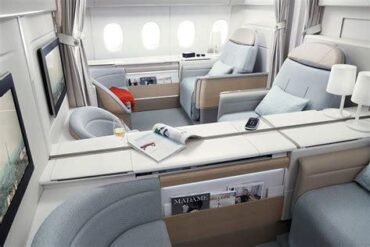
Airline first class has long represented the pinnacle of commercial air travel. From private suites and gourmet dining to chauffeur services and exclusive airport lounges, these cabins are designed to offer an experience that rivals private aviation. Yet while many travelers see eye-watering fares that can easily exceed several thousand dollars for a single journey, few understand the sophisticated mechanisms airlines use to determine those prices.
Behind every first class fare is a complex mix of revenue management, demand forecasting, fleet planning, customer segmentation, and market competition. The price displayed on a booking screen is rarely a simple reflection of distance traveled. Instead, it is the result of countless calculations designed to maximize profitability while ensuring premium cabins remain attractive to the airline’s most valuable customers.
Understanding how airlines price first class seats reveals a fascinating side of the aviation industry that most passengers never see.
Flight Duration Is Only the Starting Point
When travelers compare first class fares across different routes, one of the most obvious patterns is that longer flights generally cost more. A transcontinental or ultra-long-haul journey will almost always command a higher fare than a short regional flight. While this may seem straightforward, the reasoning extends far beyond the additional miles flown.
Operating a premium cabin on a lengthy flight involves significantly greater costs. Airlines must provide multiple gourmet meal services, premium beverages, luxury amenity kits, bedding, pajamas, and highly personalized cabin service. Longer flights also require larger fuel loads, increased crew costs, and more extensive logistical planning.
However, flight duration alone does not dictate pricing. Airlines routinely charge higher fares on shorter routes if demand is exceptionally strong. A flagship business route connecting major financial centers may generate higher first class prices than a longer route serving a leisure-focused market.
Revenue managers continuously analyze passenger behavior, historical booking trends, seasonal demand, competitor activity, and local market conditions. As a result, two flights of nearly identical length can carry dramatically different first class price tags.
The relationship between distance and price is therefore best viewed as a foundation rather than a rule. Airlines use duration as one variable among many when calculating what customers are willing to pay.
The Published Fare Is Often Not What Passengers Actually Pay
One of the aviation industry’s least understood realities is that the fare displayed on an airline’s website is often not the amount paid by many first class travelers.
Large corporations frequently negotiate extensive travel agreements with airlines. These contracts provide preferred rates in exchange for directing substantial travel volumes to a specific carrier. For multinational companies whose executives travel constantly between major business hubs, such arrangements can generate significant savings.
These corporate agreements often include additional benefits beyond discounted pricing. Flexible ticket conditions, waived change fees, priority support, and enhanced loyalty program rewards make the arrangements highly attractive for both parties.
From the airline’s perspective, these contracts create predictable revenue streams and reduce uncertainty in premium cabin sales. Instead of relying entirely on individual passengers purchasing expensive first class tickets, airlines secure recurring business from organizations that regularly book premium travel.
This explains why a first class cabin may appear full despite publicly advertised fares that seem prohibitively expensive. Many seats may have been sold under negotiated agreements unavailable to ordinary consumers.
The strategy also helps airlines maintain the perception of exclusivity. Publicly visible fares remain high, reinforcing the premium nature of the product, while select customers gain access to more favorable pricing through established relationships.
First Class Seats Come With Multiple Pricing Tiers
Many travelers assume first class consists of a single fare category. In reality, airlines often divide premium cabins into multiple pricing brackets, each offering different levels of flexibility and benefits.
The differences between these fare classes can be surprisingly significant. While the physical seat remains identical, the rules governing the ticket may vary substantially.
Lower-priced first class fares frequently include restrictions on changes, cancellations, and refunds. Travelers selecting these options receive the luxury onboard experience but sacrifice some flexibility. More expensive fare categories often provide unrestricted itinerary changes, full refunds, and enhanced customer service privileges.
This pricing structure allows airlines to target different customer segments within the same cabin. A leisure traveler celebrating a special occasion may prioritize obtaining the lowest available first class fare. A corporate executive with an unpredictable schedule may willingly pay thousands more for complete flexibility.
The strategy reflects a fundamental principle of airline revenue management: maximizing revenue from every available seat. Instead of selling a single product at a single price, airlines create multiple versions of the same product to capture a wider range of customers.
Some carriers offer only one first class fare category, while others provide several distinct options. The variation depends on the airline’s network strategy, customer demographics, and overall commercial objectives.
Award inventory introduces another layer of complexity. Frequent flyer members may occasionally redeem miles for first class travel, but airlines carefully control how many reward seats become available. These decisions are driven by revenue forecasts and demand expectations, ensuring loyalty benefits do not undermine potential premium ticket sales.
Demand Can Matter More Than Distance
Among all the factors influencing first class pricing, passenger demand is often the most powerful.
Modern airlines employ sophisticated revenue management systems capable of monitoring booking patterns in real time. These systems evaluate how quickly seats are selling, compare current demand against historical trends, and adjust prices accordingly.
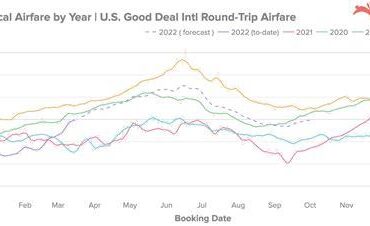
As departure dates approach, fare behavior becomes increasingly dynamic. If a first class cabin is filling rapidly, remaining seats often become significantly more expensive. Conversely, if demand remains weak, airlines may introduce discounted upgrade opportunities or special promotional pricing to avoid flying with empty premium seats.
This creates situations that seem counterintuitive to many travelers. A shorter route can cost substantially more than a longer one simply because demand is stronger.
Consider major international financial centers. Routes connecting cities such as London, Dubai, New York, Singapore, and Hong Kong frequently attract high-yield corporate travelers who place tremendous value on comfort, productivity, and schedule convenience. Airlines understand this willingness to pay and price their premium cabins accordingly.
In contrast, some longer routes serving predominantly leisure markets may experience weaker premium demand despite requiring more flight time and operational resources.
Historical data also plays a crucial role. Airlines maintain detailed records of booking behavior stretching back years. These databases reveal recurring patterns linked to holidays, conferences, sporting events, economic conditions, and seasonal travel peaks.
If historical analysis suggests that first class demand will surge during a particular period, pricing algorithms may begin raising fares months before departure. This proactive approach allows airlines to maximize revenue from anticipated demand spikes.
Passengers searching for first class deals often discover that timing matters just as much as destination. Booking early can provide access to lower fares before demand intensifies, while waiting too long may expose travelers to dramatic price increases.
Yet there are exceptions. Occasionally, airlines determine that selling a discounted upgrade shortly before departure is more profitable than leaving a seat empty. Such opportunities are highly dependent on route performance and inventory conditions, making them difficult to predict consistently.
Aircraft Type and Cabin Design Influence Pricing
Not all first class experiences are created equal, and airlines increasingly recognize this reality when setting ticket prices.
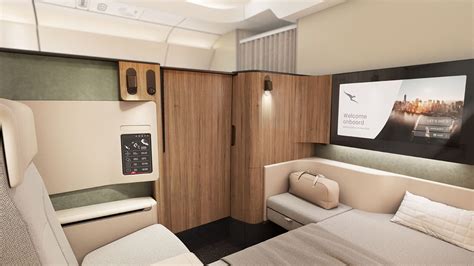
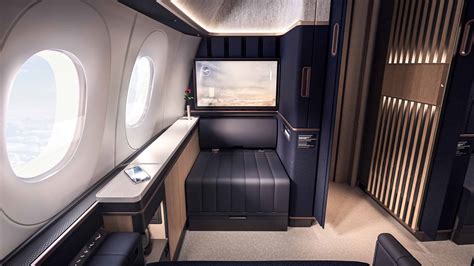
The aviation industry has entered an era of intense competition for premium passengers. Airlines continuously invest in new seats, enhanced privacy features, advanced entertainment systems, and increasingly luxurious cabin designs. As these products evolve, pricing strategies often evolve alongside them.
Some carriers operate multiple first class products across different aircraft types. In such cases, passengers may encounter noticeable fare differences depending on which aircraft operates a particular route.
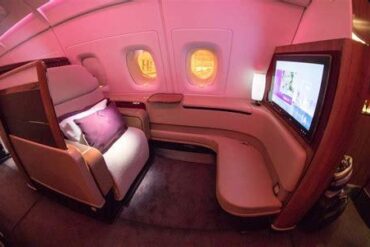
The most striking examples involve airlines that reserve their flagship first class experiences for select aircraft. Double-deck aircraft such as the Airbus A380 often feature larger suites, more spacious layouts, and premium amenities unavailable elsewhere in the fleet.
Passengers booking these flights may willingly pay higher fares because the onboard experience itself becomes part of the attraction.
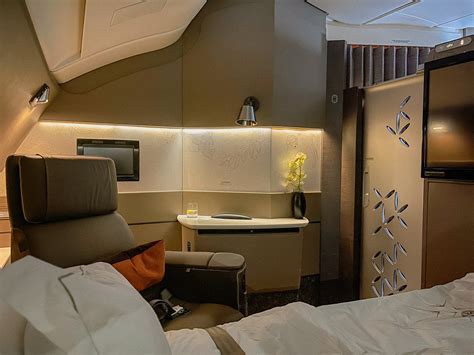
Several airlines have built entire marketing campaigns around their flagship premium products. Features such as enclosed suites, onboard showers, dedicated lounges, and even multi-room accommodations have transformed first class into an aspirational experience rather than simply a mode of transportation.
The psychological value of exclusivity plays a major role here. Travelers are not merely purchasing transportation from one city to another. They are buying privacy, prestige, comfort, and access to experiences unavailable elsewhere in commercial aviation.
This distinction allows airlines to justify premium pricing for specific aircraft and cabin configurations.
Fleet deployment decisions can therefore have a direct impact on fares. When a route is upgraded to feature an airline’s most advanced first class product, pricing often reflects the enhanced experience. Conversely, older cabin products may be priced more conservatively to remain competitive.
Why First Class Pricing Appears So Inconsistent
Many travelers become frustrated when they discover that first class pricing seems unpredictable. The same route can vary by thousands of dollars depending on booking date, travel season, aircraft type, and market conditions.
The reality is that airlines intentionally design pricing systems to be dynamic rather than static.
Revenue management teams constantly balance competing objectives. They seek to maximize profit while maintaining competitive positioning, preserving premium brand value, satisfying corporate clients, rewarding loyal customers, and filling available seats.
Every fare represents a calculated estimate of what the market will bear at a specific moment.
This explains why travelers occasionally encounter situations where first class fares fluctuate dramatically within days or even hours. Behind the scenes, algorithms are responding to changing demand signals, competitor pricing adjustments, inventory levels, and broader market trends.
Far from being random, these changes reflect one of the most sophisticated pricing systems in modern commerce.
The Real Economics Behind First Class Tickets
Although first class cabins occupy only a small portion of an aircraft’s total seating capacity, they often play an outsized role in profitability. Premium travelers generate disproportionately high revenue, allowing airlines to support network expansion, invest in new products, and maintain competitive advantages.
The economics become even more compelling when airlines successfully segment customers according to willingness to pay. Corporate contracts, flexible fare structures, demand-based pricing, premium aircraft products, and route-specific strategies all contribute to extracting maximum value from a limited number of seats.
For passengers, understanding these mechanisms offers valuable insight into why first class fares can appear both expensive and unpredictable. What seems like a simple ticket purchase is actually the final outcome of a highly sophisticated commercial strategy involving data analytics, forecasting models, market research, and customer behavior analysis.
The next time a first class fare appears on a booking screen, it represents far more than a luxurious seat. It reflects a carefully calculated balance between exclusivity, demand, operational costs, competitive positioning, and the relentless pursuit of airline profitability in one of the world’s most competitive industries.