American Airlines has introduced a new workplace performance scoring platform for flight attendants, but the system is already facing criticism from labor representatives who question how employee data will be collected, analyzed, and used. The platform, known as Me@Work, is designed to provide performance insights by evaluating operational and customer service-related information from the previous 12 months.
While American Airlines describes the system as a development tool intended to help employees better understand their performance, concerns have emerged over whether some measurements could unfairly affect flight attendants. Critics argue that several factors included in the evaluation process may be influenced by broader airline operations rather than individual employee actions.
American Airlines’ Me@Work Platform Raises Workplace Surveillance Concerns
The introduction of Me@Work reflects a growing trend across the aviation industry, where airlines are increasingly using data-driven tools to evaluate workforce performance. By analyzing operational information and customer feedback indicators, American Airlines aims to create a clearer picture of how flight attendants contribute to passenger experiences.
However, the new scoring approach has raised questions among employee advocates about the accuracy and fairness of automated workplace assessments. The Association of Professional Flight Attendants (APFA), the union representing American Airlines flight attendants, has expressed concerns that some factors included in the scoring model may not accurately represent an individual crew member’s performance.
The union has emphasized that flight attendants often operate within complex environments where many outcomes depend on circumstances beyond their direct control. Issues such as aircraft equipment problems, catering failures, onboard technology disruptions, and delays caused by airport operations may influence passenger satisfaction despite having little connection to a flight attendant’s professional performance.
Flight Attendants Question Whether Metrics Reflect Individual Performance
One of the central criticisms of the Me@Work platform is the possibility that employees could be evaluated based on problems created by wider airline operations. Flight attendants play an important role in customer service, safety procedures, and onboard management, but they do not control every aspect of a passenger’s travel experience.
For example, unreliable onboard WiFi, delayed departures, aircraft cleanliness concerns, or missing catering items could negatively affect customer feedback scores. Labor representatives argue that including such factors in performance evaluations could create an unfair situation where employees receive lower ratings because of issues outside their responsibilities.
The APFA has also raised concerns about transparency surrounding the data used by the platform. The union believes flight attendants should have the ability to review information that contributes to their scores, identify inaccurate records, and challenge results that do not accurately reflect their work.
The debate highlights a broader issue affecting many industries: how companies should balance data-driven management with employee privacy and fairness. While digital performance tools can provide useful insights, critics argue that automated scoring systems must include safeguards to prevent inaccurate or misleading evaluations.
Union Seeks Transparency and Right to Challenge Performance Scores
The APFA has stated that employees should maintain the right to dispute any attendance, performance, or disciplinary information that affects their employment records. The union’s position is that workers must have a clear understanding of how scores are calculated and how decisions based on those scores may impact their careers.
A major concern is whether flight attendants will have sufficient access to the information behind their ratings. Without transparency, employees may struggle to correct errors or explain circumstances that affected their performance results.
American Airlines has responded by stating that the Me@Work system complies with applicable privacy requirements across different states. The airline has positioned the platform as a resource for professional development rather than a disciplinary mechanism.
The company has not indicated that the system is intended to replace human decision-making. However, questions remain about the future role of automated tools in employee evaluations and whether performance scores could eventually influence workplace decisions.
California Privacy Rules Add Another Layer to the Debate
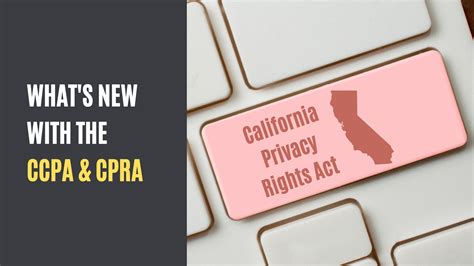
Privacy concerns surrounding Me@Work have also attracted attention because of state-level data protection laws. In California, the California Consumer Privacy Act (CCPA) provides residents with rights regarding personal information collected by businesses.
Under the CCPA, individuals may have the ability to understand what personal data is collected, how it is used, and request corrections for inaccurate information. These protections have become increasingly relevant as employers adopt technology platforms that collect and analyze employee-related data.
The situation involving American Airlines reflects a wider discussion about workplace technology. As companies rely more heavily on analytics and artificial intelligence-based systems, employees and regulators are examining whether these tools provide meaningful insights or create new risks related to privacy and accountability.
American Airlines Faces Growing Questions Over Automated Employee Evaluation
American Airlines remains one of the largest carriers in the United States, operating a major global network and employing more than 130,000 team members, including approximately 30,000 flight attendants. As a founding member of the oneworld Alliance, the airline manages operations through major hubs including Dallas/Fort Worth, Charlotte, Chicago, Miami, Los Angeles, and Phoenix.
The company argues that Me@Work can improve accountability and provide employees with useful performance information. Supporters of data-based evaluation systems suggest that transparent metrics can help identify strengths, encourage improvement, and create more consistent standards across large organizations.
However, the controversy surrounding the platform demonstrates the challenges of applying automated scoring systems in complex service industries. Flight attendants work in environments shaped by weather, aircraft conditions, airport operations, and passenger behavior, making performance measurement particularly complicated.
The key question moving forward is not only how American Airlines calculates performance scores, but also how employees can understand, challenge, and correct those evaluations. As workplace surveillance technology continues to expand, the balance between operational efficiency, employee privacy, and fair treatment will remain a major issue for airlines and other large employers.