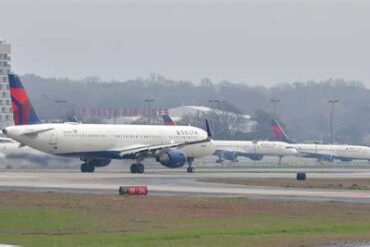
Delta Air Lines is preparing to enter the Saudi Arabian market with a highly anticipated Atlanta-Riyadh nonstop service, but early booking figures have raised questions about the strength of demand for the new route. The airline has acknowledged that reservations are currently softer than expected, although executives remain confident that the service can develop into an important connection between the United States and Saudi Arabia.
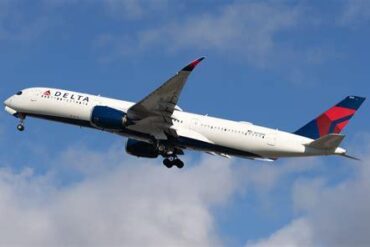
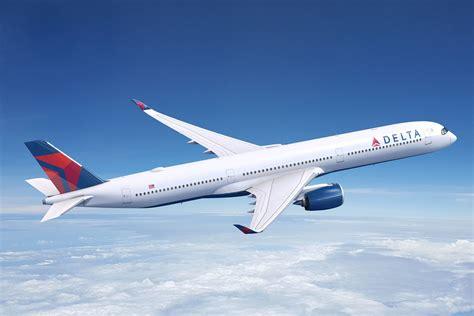
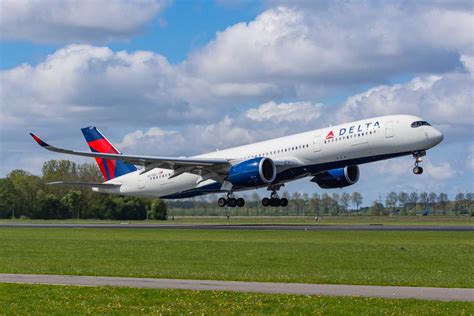
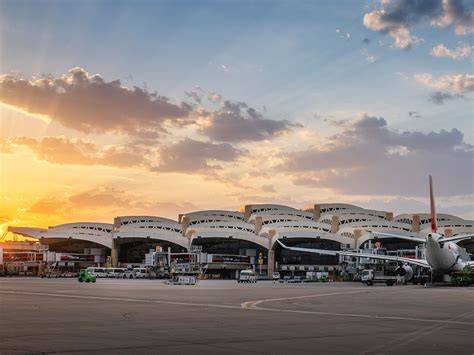
The new route, scheduled to begin on October 23, represents a major strategic move for Delta. The airline plans to operate the service using its Airbus A350-900 aircraft from its global hub at Hartsfield-Jackson Atlanta International Airport (ATL) to King Khalid International Airport (RUH) in Riyadh.
Reports suggesting that only a handful of seats have been sold on upcoming flights created attention across the aviation industry. One analysis of an early flight seat map showed only five seats booked, including three seats in the premium business class cabin. However, aviation analysts have noted that long-haul international flights often do not reach high booking levels months before departure, meaning early figures do not necessarily predict the final performance of the route.
Delta’s Riyadh Expansion Faces Early Booking Challenges
Delta’s decision to launch flights to Riyadh is part of a broader international expansion strategy aimed at strengthening its presence in emerging business markets. The airline sees Saudi Arabia as a country with increasing economic influence, particularly through investment, technology, energy, and financial partnerships with the United States.
The Atlanta-Riyadh route is also closely connected to Delta’s partnership with Riyadh Air, Saudi Arabia’s new airline backed by the Public Investment Fund. The cooperation is designed to create opportunities for future network growth while positioning Delta as a key US aviation partner in the Kingdom’s rapidly developing aviation sector.
Despite the long-term opportunity, the current travel environment presents challenges. Demand for flights to the Middle East has been affected by regional uncertainty, with several airlines adjusting schedules or delaying service resumptions because of security concerns and weaker passenger demand.
Aviation analyst Enilria pointed out that international long-haul flights are often only around 50% to 60% booked well before departure. Therefore, a lightly booked flight several months ahead does not automatically indicate a failed route. Airlines typically expect significant booking activity closer to departure dates, especially for business-focused international services.
Middle East Travel Disruptions Affect Airline Demand
The weaker early bookings for Delta’s Riyadh service come during a difficult period for airlines operating in the Middle East. Several international carriers have reduced or postponed operations because of ongoing regional tensions and concerns about unpredictable operating conditions.
European airlines, including major network carriers, have adjusted their Middle East schedules as demand patterns shift. Some flights to destinations such as Dubai, Riyadh, Beirut, and Tel Aviv have experienced temporary suspensions or delayed resumptions.
For Delta, these broader market conditions create a challenging environment for introducing a new route. Travelers may be more cautious about planning trips to the region, especially leisure passengers who have greater flexibility when choosing destinations.
However, the airline’s target market is not limited to tourism. Delta is expected to focus heavily on corporate travel and business connections, particularly as US-Saudi economic relationships continue to expand. Riyadh has become a major center for international investment, and events such as the Future Investment Initiative conference attract executives, investors, and government representatives from around the world.
The timing of Delta’s inaugural flight is designed to support this business demand, with the launch occurring near the annual investment conference held in Riyadh. The airline hopes this connection will demonstrate the commercial value of direct air links between the two countries.
Delta Could Become the Only US Airline Flying Directly to Riyadh
Currently, Delta’s new service would make it the only mainland US airline operating nonstop flights to Saudi Arabia. This gives the carrier a unique position in a market with significant growth potential.
Saudi Arabia’s national airline, Saudia, already connects Riyadh with US destinations including New York John F. Kennedy International Airport and Washington Dulles International Airport. However, Delta’s Atlanta service would introduce a new option through one of the world’s busiest aviation hubs.
Atlanta provides Delta with a powerful connecting network, allowing passengers from across North America to access Riyadh through a single gateway. The airline’s large domestic network could help feed additional demand into the route over time.
Riyadh itself is one of the fastest-growing cities in the region, with a population of approximately seven million people. As Saudi Arabia continues its economic transformation plans, including major infrastructure and investment projects, airlines are watching closely for opportunities to capture future international traffic.
Long-Term Growth Remains Delta’s Main Focus
While early booking numbers have attracted attention, Delta’s commitment to the Riyadh route reflects a long-term strategy rather than short-term sales performance. New international routes often require time to build awareness, establish customer confidence, and develop consistent demand patterns.
The airline will likely monitor booking trends closely before and after launch. Factors such as corporate contracts, connecting passenger flows, seasonal demand, and regional stability will all influence the route’s future success.
Delta’s partnership with Riyadh Air may also provide additional opportunities as Saudi Arabia expands its global aviation ambitions. Riyadh Air is building an international network and has already received approval to pursue future services to the United States.
Although the Atlanta-Riyadh route is entering the market during a challenging period, Delta believes the connection can become an important bridge between two major economies. The initial booking slowdown highlights current market uncertainty, but it does not necessarily define the route’s long-term potential. As demand conditions improve and business links continue to grow, Delta’s newest international service could become a valuable part of its global network.