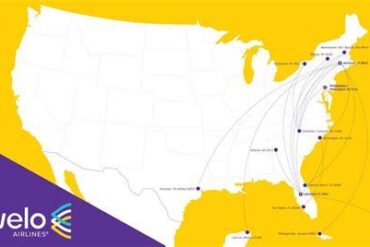
Avelo Airlines is significantly expanding its planned operation at McKinney National Airport (DTX) in North Texas, adding four new nonstop routes and a third Boeing 737 before the airport has even launched commercial service. The expansion will bring Avelo’s McKinney network to nine destinations, creating a broader mix of leisure, business, and connecting-market options for travelers in Collin County.
The airline’s initial McKinney operation is scheduled to begin on November 11, 2026, with flights to Las Vegas, Fort Lauderdale, Fort Myers, Orlando, and Tampa. Avelo will then add Denver and Atlanta on December 16, followed by New Orleans and Nashville on December 17. The rapid expansion gives the new base considerably more scale than its original launch plan suggested.
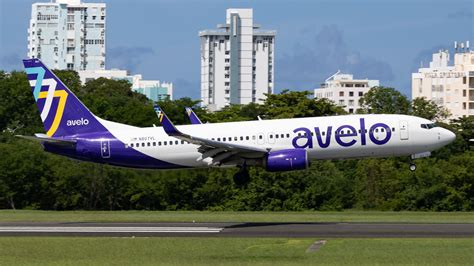
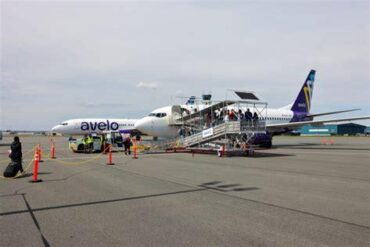
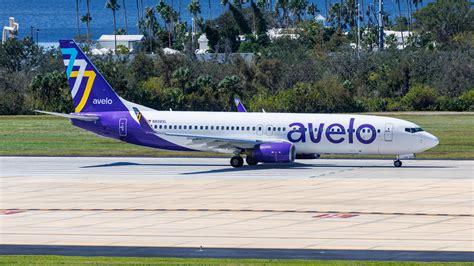
The additional routes will also be supported by a third Boeing 737, allowing Avelo to base three 184-seat Next-Generation 737s at McKinney. The airline expects the larger operation to create approximately 150 jobs, including positions for pilots, flight attendants, aircraft technicians, and airport personnel. Introductory one-way fares on the new routes are starting at $99, with a promotional first checked bag included.
Avelo Adds Denver, Atlanta, New Orleans, and Nashville
The four new destinations give McKinney travelers access to several important US markets without requiring a trip to one of the larger airports serving the Dallas-Fort Worth region. Denver International Airport (DEN) and Hartsfield-Jackson Atlanta International Airport (ATL) will each receive four weekly flights, operating on Mondays, Wednesdays, Fridays, and Saturdays.
Louis Armstrong New Orleans International Airport (MSY) and Nashville International Airport (BNA) will each receive two weekly flights on Thursdays and Sundays. Together, the four routes create a network that stretches from the Mountain West to the Southeast and adds substantially more variety to Avelo’s initial concentration on Florida and western leisure destinations.
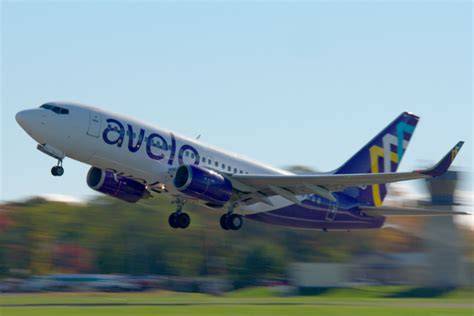
Denver is particularly notable because it becomes Avelo’s newest destination overall. Atlanta provides access to one of the country’s largest aviation markets and an important connecting point, while New Orleans and Nashville are established destinations for tourism, entertainment, business travel, and weekend trips.
The launch schedule is tightly grouped around the start of the airline’s McKinney operation. The four new services are scheduled as follows:
| Destination | Airport | Start Date | Frequency |
|---|---|---|---|
| Atlanta | ATL | December 16, 2026 | 4 weekly |
| Denver | DEN | December 16, 2026 | 4 weekly |
| New Orleans | MSY | December 17, 2026 | 2 weekly |
| Nashville | BNA | December 17, 2026 | 2 weekly |
The schedule means passengers in Collin County will have access to nine nonstop destinations once all of the announced services are operating. For a new commercial base, that represents a substantial network footprint from the outset.
Third Boeing 737 Signals Bigger Commitment to McKinney
Avelo’s decision to base a third aircraft at McKinney is more significant than simply adding four routes. Aircraft based at an airport provide an operational foundation for multiple daily departures, crew assignments, maintenance activity, and future schedule development.
Avelo founder and CEO Andrew Levy said the strong response from North Texas and booking activity supported the decision to expand the base. The airline views the third aircraft as evidence of its longer-term commitment to Collin County rather than a short-term experiment with a handful of routes.
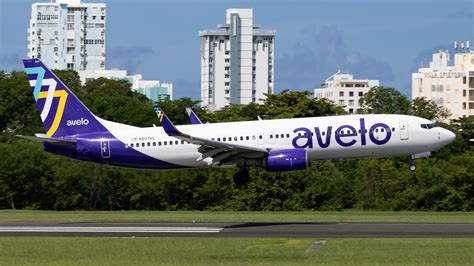
McKinney fits Avelo’s broader strategy of using smaller airports near major metropolitan areas. McKinney National Airport is in Collin County, a rapidly growing part of the Dallas-Fort Worth region. Instead of requiring passengers north of Dallas to drive to one of the area’s major commercial airports, Avelo is positioning DTX as a more convenient local alternative.
That convenience can matter particularly for travelers who value shorter ground journeys. A smaller airport can also offer a different passenger experience, potentially reducing some of the parking, terminal, and ground-transportation challenges associated with larger facilities.
McKinney Airport Prepares for Commercial Service
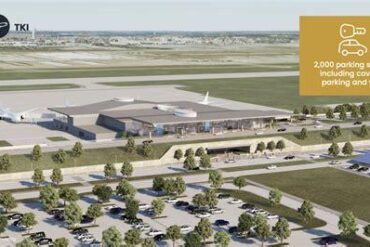
The airline’s expansion is arriving as McKinney National Airport prepares for its own commercial aviation milestone. Construction of a new passenger terminal was expected to reach completion within weeks of the announcement, putting the facility on track to begin scheduled passenger operations before the holiday travel period.
The airport development is also generating employment opportunities in both aviation and construction. Avelo’s planned staffing requirements will add another layer of economic activity as the carrier establishes its operating base.
The timing is important because Avelo is not simply adding flights to an established commercial airport. It is helping create a new passenger operation at DTX, meaning the airline’s performance will also provide an early indication of how strongly travelers in northern Dallas-Fort Worth respond to local commercial service.
Avelo Continues Building a Point-to-Point Network
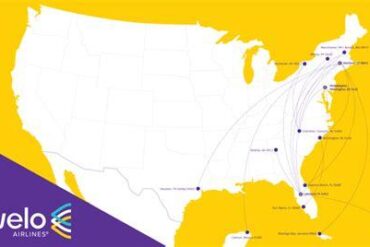
The McKinney expansion reflects Avelo’s broader low-fare, point-to-point network strategy. The airline currently serves 39 destinations across 17 states and Puerto Rico, operates 17 Boeing Next-Generation 737 aircraft, and has carried more than 10.5 million customers since launching operations in April 2021.
Rather than relying primarily on large connecting hubs, Avelo has focused on linking communities directly. The model allows the airline to establish bases at smaller airports and test demand for nonstop routes that might not fit the traditional hub-and-spoke structure.
McKinney therefore represents an important test of that strategy in one of the fastest-growing metropolitan regions in the United States. The nine-destination network gives Avelo multiple opportunities to determine which markets generate sustained demand.
Embraer E195-E2 Could Change Avelo’s Fleet Strategy
Avelo’s growth at McKinney is also taking place alongside a major future fleet development. In September 2025, the airline ordered up to 100 Embraer E195-E2 aircraft and said it would become the first US airline to operate the type.
The E195-E2 is designed for 140 passengers in Avelo’s planned configuration and uses a 2-by-2 seating arrangement, eliminating middle seats. The smaller aircraft could eventually provide Avelo with another tool for markets where a 184-seat Boeing 737 would offer more capacity than needed.
For now, however, the immediate focus remains firmly on the three Boeing 737s at McKinney. Avelo will launch its first five routes in November before adding the four new destinations in December. If passenger demand supports the expanded schedule, McKinney could provide the airline with a foundation for additional routes and greater aircraft utilization in the future.
The result is a considerably larger opening chapter for Avelo Airlines at McKinney National Airport than originally planned. Nine destinations, three based 737s, and approximately 150 new jobs give the North Texas operation meaningful scale from its first weeks of service. For travelers in Collin County, the bigger question will be whether Avelo can turn that ambitious starting network into sustained commercial growth.