Dallas-Fort Worth has long been defined by two dominant commercial airports—Dallas/Fort Worth International Airport (DFW) and Dallas Love Field (DAL). That longstanding duopoly is about to change. McKinney National Airport (DTX) is officially entering the commercial aviation market with its first scheduled passenger airline, marking one of the most significant airport developments in North Texas in decades.
Rather than making a cautious debut, Avelo Airlines is launching operations with five nonstop leisure routes, establishing a crew base, stationing aircraft locally, and positioning itself as the hometown airline for the rapidly expanding communities north of Dallas. The move creates an entirely new travel option for millions of residents across Collin County, one of the fastest-growing regions in the United States.
For travelers in McKinney, Plano, Frisco, Allen, Prosper, and neighboring cities, the launch promises shorter drives, easier parking, faster security, and direct flights without navigating the congestion typically associated with the region’s larger airports.
The arrival of commercial service also transforms McKinney National Airport from a municipal aviation facility into Dallas’ third commercial passenger airport, introducing a new competitive dynamic within one of America’s busiest metropolitan aviation markets.
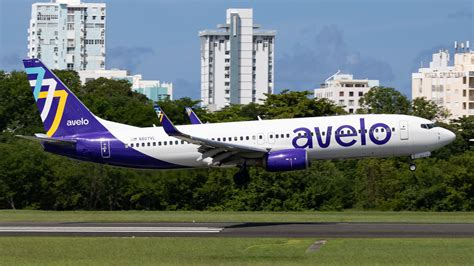
Avelo Airlines Launches Five Initial Routes From McKinney
Avelo Airlines has chosen an ambitious strategy for its debut at McKinney National Airport. Instead of gradually testing demand with a limited schedule, the ultra-low-cost carrier will immediately connect North Texas with five popular vacation destinations.
The airline’s inaugural network focuses on leisure markets that consistently generate strong demand throughout the year. Four destinations are located in Florida, while the fifth serves one of America’s most popular entertainment capitals—Las Vegas.
The initial route network includes:
- Fort Myers (RSW) – Service begins November 11, operating twice weekly on Wednesdays and Saturdays.
- Las Vegas (LAS) – Launches November 12 with four weekly flights every Monday, Thursday, Friday, and Sunday.
- Orlando (MCO) – Begins November 12, operating five times each week.
- Fort Lauderdale (FLL) – Starts November 19 with five weekly departures.
- Tampa (TPA) – Launches November 19, operating four days each week.
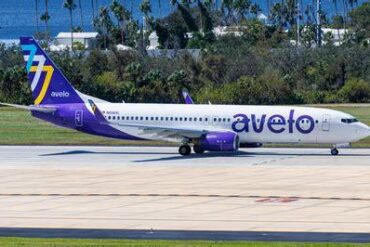
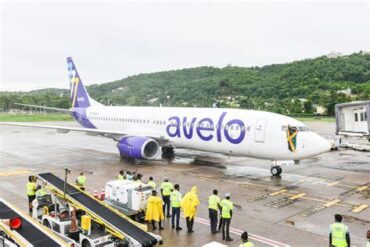
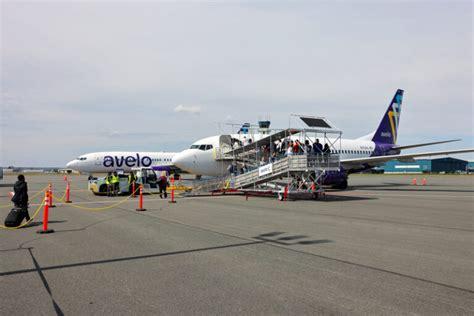
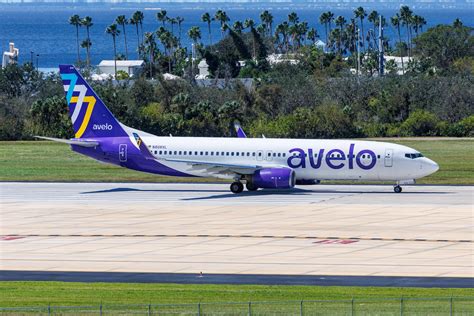
All services will utilize 189-seat Boeing 737-800 aircraft, providing substantial capacity from day one. Rather than relying on outsourced operations or occasional aircraft rotations, Avelo plans to permanently base two Boeing 737-800s at McKinney, demonstrating a long-term commitment to the airport.
Why McKinney National Airport Is an Ideal Fit for Avelo’s Business Model
Avelo has built its reputation by identifying underserved airports near major metropolitan areas where passengers value convenience over size. Instead of competing head-to-head at crowded hub airports, the airline creates demand by offering simpler alternatives closer to residential communities.
McKinney fits this strategy almost perfectly.
Located in northern Dallas-Fort Worth, the airport serves an affluent and rapidly growing population that has traditionally faced lengthy drives to either DFW Airport or Dallas Love Field. As suburban expansion continues farther north, those journeys have become increasingly time-consuming.
For many residents, McKinney National Airport offers a dramatically different experience. Travelers can expect significantly shorter distances from parking to terminal, faster check-in procedures, reduced security wait times, and a less stressful departure process overall. This convenience aligns directly with Avelo’s emphasis on delivering affordable nonstop service while eliminating many of the frustrations associated with large hub airports.
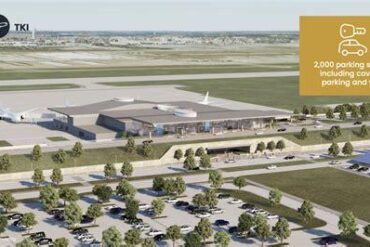
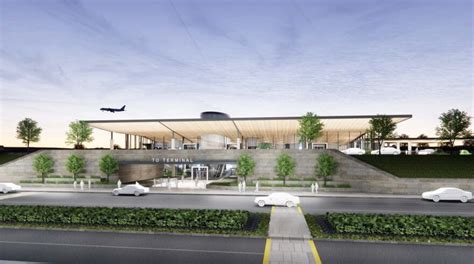
Equally important, the airport’s new commercial terminal has been specifically designed to accommodate smaller airlines without the high operating costs often found at larger facilities. That lower-cost environment helps support Avelo’s low-fare business model while providing room for future expansion.
A New Gateway for North Texas Travelers
The launch represents far more than simply adding another airport to the Dallas region. It creates an entirely new gateway focused on serving communities that have experienced explosive residential and business growth over the past decade.
Collin County has become one of America’s fastest-growing counties, attracting technology firms, corporate headquarters, and thousands of new residents annually. Cities including McKinney, Frisco, Plano, Allen, Prosper, Celina, and Melissa continue expanding at remarkable rates, creating a large population base that increasingly seeks nearby transportation options.
Instead of driving an hour or more through heavy interstate traffic, many travelers will soon have access to commercial flights just minutes from home. This geographic advantage could significantly influence passenger behavior, particularly among leisure travelers who prioritize convenience alongside airfare.
The airport’s smaller footprint also enables a more streamlined customer experience, an increasingly valuable selling point as congestion continues to grow at larger airports nationwide.
Economic Benefits Extend Beyond Air Travel
Commercial airline service brings economic opportunities that extend well beyond passenger transportation.
Avelo estimates its McKinney operation will generate more than 100 local jobs, including positions for:
- Pilots
- Flight attendants
- Aircraft maintenance technicians
- Customer service representatives
- Airport operations personnel
- Ground support staff
These direct jobs are expected to stimulate additional economic activity through local spending, hospitality demand, transportation services, and airport-related businesses.
Commercial aviation also enhances the attractiveness of the surrounding region for corporate investment. Businesses frequently evaluate airport accessibility when selecting office locations, making scheduled airline service another competitive advantage for Collin County’s ongoing economic development.
As passenger volumes increase, additional retail, dining, rental car, and hospitality opportunities could emerge around the airport, further expanding its economic impact.
Leisure Routes Offer the Strongest Foundation for Success
Avelo’s route selection reflects a deliberate strategy rather than an attempt to compete directly with established airlines.
Instead of pursuing high-frequency business markets, the airline has concentrated on destinations that consistently generate strong leisure demand throughout the year.
Florida remains one of the most popular vacation regions for Texas travelers, attracting families visiting theme parks, retirees heading south during winter months, cruise passengers departing from Fort Lauderdale, and beach vacationers throughout the year.
Las Vegas similarly combines vacation travel, conventions, entertainment, and weekend getaways, making it one of the strongest point-to-point leisure markets in the country.
By emphasizing nonstop service to recognizable destinations, Avelo reduces complexity for first-time passengers while maximizing aircraft utilization. The strategy also allows the airline to build customer awareness before considering additional routes that may require higher frequencies or stronger business demand.
Could More Airlines Follow Avelo to McKinney?
The arrival of scheduled commercial service naturally raises questions about future airline expansion.
Major incumbents are unlikely candidates. American Airlines maintains its enormous global hub at DFW, while Southwest Airlines continues to dominate Dallas Love Field. Neither carrier has a compelling strategic reason to establish significant operations at McKinney.
However, other low-cost airlines may view the airport differently.
Breeze Airways has built much of its network around underserved airports, making McKinney an intriguing possibility if the carrier decides to deepen its presence in North Texas. Operating from a smaller airport could provide lower operating costs while opening opportunities for additional nonstop routes.
Allegiant Air also represents a logical candidate. The airline specializes in connecting secondary airports with leisure destinations, particularly in Florida and Las Vegas—markets already demonstrating demand from North Texas travelers.
Even JetBlue could eventually evaluate selective opportunities if passenger demand proves sustainable, although its current Dallas presence remains relatively limited.
Nevertheless, Avelo enjoys a significant advantage as the airport’s launch airline. Establishing brand recognition, building customer loyalty, and securing desirable operating schedules before competitors arrive could strengthen its long-term position considerably.
McKinney’s Commercial Aviation Future Begins in November
The opening of commercial passenger service represents the beginning of a much larger experiment for North Texas aviation.
For decades, virtually all scheduled airline traffic has flowed through DFW Airport and Dallas Love Field. McKinney National Airport introduces an entirely different proposition: a convenient regional airport serving suburban travelers who prioritize shorter drives and simpler airport experiences.
Success will ultimately depend on whether enough passengers consistently choose convenience over the extensive flight networks available at the region’s larger airports. If residents embrace the new option, McKinney could establish itself as a sustainable third commercial airport while attracting additional airlines and expanding its destination map.
Avelo’s commitment—including based aircraft, local hiring, multiple nonstop routes, and coordinated service timed with the opening of the airport’s new passenger terminal—provides a stronger foundation than a limited trial operation. Rather than testing a single seasonal route, the airline is investing in a long-term presence from the outset.
When the first commercial flights depart in November, McKinney National Airport will officially become Dallas-Fort Worth’s newest passenger gateway. The launch is more than the addition of five routes—it is a test of whether North Texas is ready for a third commercial airport built around convenience, affordability, and nonstop leisure travel. If passengers respond as anticipated, this could mark the beginning of an entirely new chapter in the region’s aviation landscape.