Drone attacks have escalated dramatically in Port Sudan, targeting key infrastructure and military sites for a third consecutive day. The strikes come amid a rapidly deteriorating security situation as Sudan’s army and the paramilitary Rapid Support Forces (RSF) battle for control, plunging the country into one of the most severe humanitarian crises in recent history.
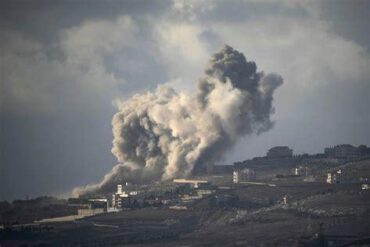
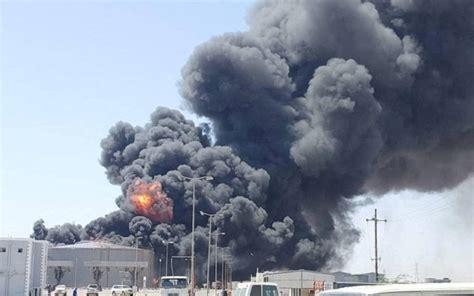
On Monday, the main fuel depot south of the city, a critical logistical hub for the region, was struck, triggering a massive blaze that sent thick plumes of smoke into the sky. This attack, which struck a lifeline for fuel supplies, has amplified fears of a prolonged conflict stretching into eastern Sudan, a region that had been seen as relatively secure compared to the devastated capital of Khartoum.
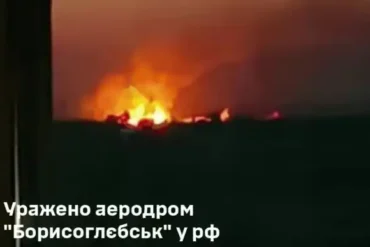
Early Tuesday, multiple explosions were reported across Port Sudan, including at the city’s civilian airport and a central army base, according to witnesses and military sources. The strikes have not only disrupted critical military operations but have also sparked concerns over the safety of the hundreds of thousands of displaced people who have fled to the city seeking refuge from the ongoing violence.
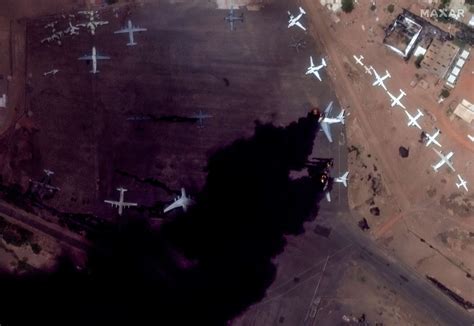
Strategic Targeting of Critical Infrastructure
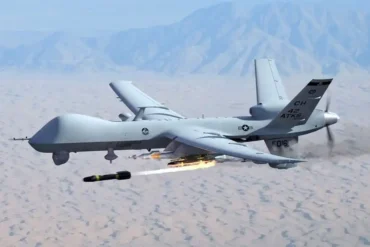
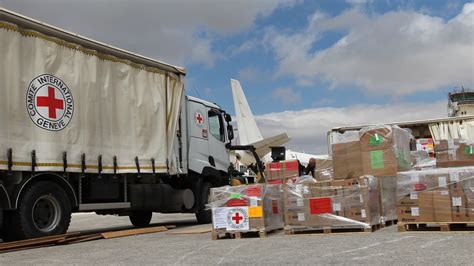
Port Sudan, located on the Red Sea, is the country’s principal port and a crucial entry point for humanitarian aid, making it a strategic target. The latest attacks underscore the RSF’s evolving tactics as it leverages drone technology to penetrate deep into Sudanese Armed Forces (SAF) territory, bypassing more conventional, heavily fortified positions.
The RSF, reportedly using drones supplied by foreign allies, has increasingly targeted critical infrastructure, including power stations and communication networks, in a bid to weaken the army’s control. These strikes, while tactically significant, have also inflicted severe hardships on civilians, cutting off essential services and disrupting the fragile flow of aid to a starving population.
Civilian Impact and Humanitarian Crisis
The ongoing conflict has already displaced more than 13 million people, creating one of the world’s largest humanitarian emergencies. The strikes on Port Sudan threaten to worsen this crisis, as the city serves as a critical hub for food and medical supplies. UN Secretary-General António Guterres has called the recent escalation a “worrying development,” emphasizing the critical need to protect civilians and ensure the safe passage of humanitarian aid.
Fuel depots, power grids, and airports remain highly vulnerable, and their loss could significantly undermine the SAF’s ability to maintain control over eastern Sudan. This latest wave of drone strikes has already led to widespread power outages and disrupted critical fuel supplies, further straining the already stretched resources of humanitarian agencies.
Military Strategy and Regional Implications
The intensified drone campaign appears to reflect a broader shift in the RSF’s strategy. Having lost significant ground in Khartoum and the central regions, the paramilitary group has turned to drone warfare as a means of compensating for its reduced territorial control. Experts suggest that these tactics aim to weaken the SAF’s supply lines and erode its morale, potentially forcing the army into defensive positions even in traditionally secure areas like Port Sudan.
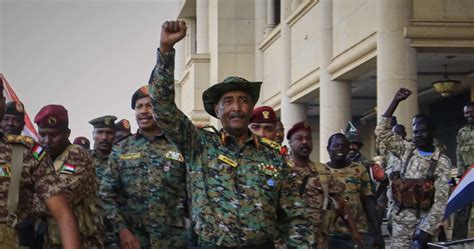
Military analysts also note the significance of these strikes occurring near the residence of Sudan’s army chief, Abdel Fattah al-Burhan, underscoring the symbolic and strategic nature of the attacks. By directly challenging the SAF in its eastern strongholds, the RSF is sending a clear signal of its continued capability to strike at the heart of army-controlled territory.
International Reactions and Legal Ramifications
The international community has expressed deep concern over the escalating violence. On Monday, the International Court of Justice (ICJ) dismissed a case brought by Sudan against the United Arab Emirates (UAE), accusing it of complicity in genocide through support for the RSF. The ruling, which cited jurisdictional limitations based on the UAE’s 2005 “reservation” on the UN genocide convention, has sparked further controversy, potentially impacting future international efforts to mediate the conflict.
Sudan’s foreign ministry, in response, stated that it “respected” the ruling, despite ongoing accusations of foreign interference in the conflict. This development highlights the complex international dimensions of the Sudanese civil war, where regional power struggles and foreign alliances have significantly shaped the course of the fighting.
Conclusion: The Path Forward
As the conflict in Sudan deepens, the stakes for Port Sudan continue to rise. The city’s strategic importance as a logistical hub and lifeline for humanitarian aid makes it a critical battleground in the ongoing struggle for control. With both sides digging in for a potentially prolonged fight, the prospect of a negotiated settlement seems increasingly remote. The international community faces a difficult task in addressing the immediate humanitarian crisis while also seeking long-term solutions to Sudan’s fractured political landscape.
The recent drone strikes underscore the increasingly sophisticated tactics employed by the RSF and the profound challenges facing the SAF as it struggles to maintain control over the country’s east. For the civilians trapped in this escalating conflict, the stakes have never been higher.