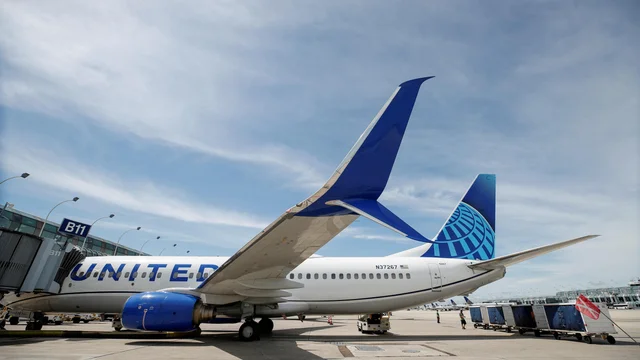
United Airlines is preparing for an unprecedented travel surge as it gears up to operate its third-largest single-day schedule in company history on Sunday, November 30, 2025. More than 5,000 flights and over 650,000 seats will be deployed across the carrier’s global system, marking a defining moment in what is shaping up to be one of the busiest Thanksgiving travel cycles in the modern aviation era.
United’s Senior Vice President of Global Network Planning & Alliances, Patrick Quayle, has emphasized the significance of this mega-day, noting that over 100,000 employees will be on duty to keep operations flowing. The scale of this mobilization underscores not just the seasonal demand, but the airline’s ambition to demonstrate operational resilience amid industry-wide strain.
United Responds to a Holiday Travel Wave Unlike Any Other
Record-setting forecasts have set the tone for the period between November 21 and December 1. Airlines for America projects that more than 31 million passengers will fly on U.S. carriers during this window — roughly 2.8 million travelers per day. This surge includes more than 45,000 additional seats compared with 2024, a clear signal of pent-up demand converging with a stabilized aviation system.
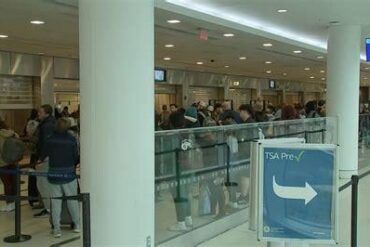
The Federal Aviation Administration expects Thanksgiving week to be the busiest in 15 years, with more than 360,000 scheduled flights and a peak day of 52,000 departures on Tuesday, November 25. The Transportation Security Administration anticipates screening more than 17 million passengers from November 25 to December 2, with more than 3 million expected on November 30 — the same day United unleashes its massive schedule.
Why United Is Pushing Capacity to Its Limits
The build-up to this historic day is the result of meticulous network planning. Thanksgiving returns traditionally peak on the Sunday after the holiday, giving United a predictable surge pattern. The airline strategically adds capacity through frequency boosts, strategic upgauging, and supplemental sections across hub-to-hub and high-demand routes.
Chicago O’Hare (ORD) — United’s largest hub — will see more than 700 flights in a single day, while Denver (DEN) and Houston (IAH) also experience major traffic spikes tied to optimized bank structures. This orchestration requires flawless coordination across aircraft positioning, gate management, ramp operations, and baggage systems. A single delay in a major hub has the potential to unravel tightly timed schedules throughout the network.
A High-Stakes Day Amid Industry Fragility
United’s aggressive holiday schedule also serves as an unofficial stress test. The aviation industry is still recovering from government shutdown disruptions earlier in the fall, when air traffic control staffing shortages triggered widespread delays and schedule reductions.
Federal officials, including Transportation Secretary Sean Duffy, now insist that staffing levels have returned to pre-shutdown norms. Still, high passenger volumes alone can strain a delicate system. The TSA expects more than 17.5 million screenings through the peak period — a level of throughput that can expose cracks anywhere in the chain.
United faces both opportunity and risk. A smooth performance strengthens the carrier’s reliability narrative while unlocking significant revenue from a uniquely compressed travel surge. A rough performance, however, could cascade into operational challenges that tarnish the airline’s holiday season momentum.
A Defining Moment for United’s Modern Network
Sunday’s operation embodies the scale and ambition of United’s post-pandemic strategy — a network built around robust hub connectivity, aggressive capacity management, and confidence in a reviving aviation infrastructure. Whether the airline executes with precision will become clear as the U.S. steps into the busiest travel weekend in more than a decade.
The holiday sky is about to become intensely crowded, and United aims to be the carrier that proves high volume and high performance can still coexist in modern aviation.