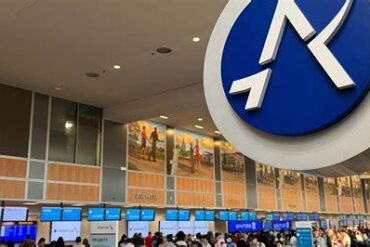
San Antonio International Airport (SAT) is currently navigating a complex landscape of traffic challenges amidst economic strain, yet it recently celebrated an unprecedented achievement during the Memorial Day weekend. In 2025, the airport recorded a 2.4% decline in passenger numbers during the first five months compared to the same period in 2024. This downturn follows a remarkable year for SAT in 2024, which saw record-breaking passenger counts after a strong 2023 performance. While the recent figures may appear disheartening, they reflect broader trends in the travel industry and shifting consumer behaviors.
The decline in passenger traffic is primarily attributed to a reduction in domestic travel, which experienced a notable 3% decrease during this timeframe. However, it is essential to highlight that not all sectors of air travel have been negatively impacted. Flights to Mexico, for instance, have seen a 6% increase, indicating a shift in traveler preferences toward nearby international destinations despite the overall downturn in domestic routes. This evolving travel pattern suggests that travelers are seeking alternative experiences, perhaps as a response to economic pressures and changing travel dynamics.
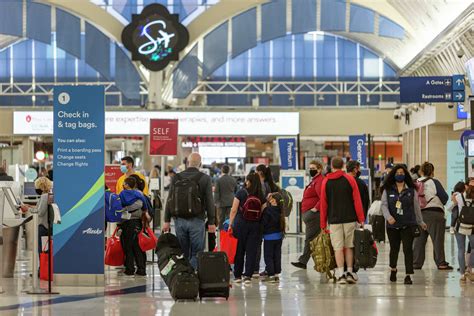
In a surprising twist amid these challenges, SAT achieved its busiest Memorial Day weekend in history, marking a significant milestone for the airport. Despite this peak, the robust traffic during this holiday period was insufficient to counterbalance the year-to-date downturn. The sharp contrast between the record-breaking weekend and the overall negative trend underscores the complexities facing SAT in the current economic climate.
Economic uncertainty plays a pivotal role in shaping consumer behavior, particularly when it comes to leisure travel. According to data from the Conference Board, consumer confidence has plummeted by 5.4%, leading many travelers to hesitate before committing to discretionary spending. This hesitance is particularly pronounced in sectors reliant on tourism and hospitality, both of which are vital components of San Antonio’s economy. The ongoing economic volatility has resulted in fewer individuals willing to book flights, especially for non-essential or long-haul domestic travel.
As the global travel market continues to adapt to these economic pressures, projections for 2025 indicate a potential decline of 5.1% to 8.7% in international travel to the U.S., representing the sharpest drop since the Great Recession, excluding pandemic years. Factors contributing to this expected reduction include increased travel disruptions, rising airfares, and tightened regulations. These trends pose significant challenges not only for airports like SAT but also for the broader hospitality sector that relies heavily on air travel to bring tourists to their doorsteps.
San Antonio’s tourism industry, which thrives on both domestic and international visitors, has already begun to feel the repercussions of this downturn. As traveler numbers dwindle, local businesses—ranging from hotels to restaurants—are experiencing a slowdown, complicating their ability to recover from prior losses. The uncertainty surrounding the economy has created a cautious atmosphere for businesses, making it increasingly difficult for them to plan for the future.
Moreover, the dynamics of the travel industry are shifting. While there has been a modest rise in international travel to Mexico, this increase is not sufficient to offset the significant declines in U.S. inbound tourism. The factors behind this downturn are multifaceted, including more stringent travel policies, visa challenges, and heightened concerns about international travel safety, which collectively discourage potential visitors.
Looking ahead to the summer months, questions linger regarding whether the downward trend will persist or if the positive spikes seen during peak travel periods, such as Memorial Day, will spark a resurgence. However, many experts suggest that the challenges currently confronting SAT may continue for the foreseeable future, given the prevailing economic uncertainties and their impact on the domestic travel market.
To address these challenges, the airport and local stakeholders must adapt strategically, potentially focusing on attracting more international travelers and diversifying travel routes. This approach could help maintain steady growth even as broader travel trends continue to evolve. The resilience of SAT as a key player in the region’s transportation and tourism sectors remains crucial, and proactive measures will be necessary to navigate the shifting landscape.
In conclusion, while San Antonio International Airport faces undeniable traffic challenges amid economic strain, the recent record-breaking Memorial Day weekend serves as a beacon of hope. By closely monitoring these trends and adapting to the changing travel landscape, SAT and local businesses can work together to stabilize passenger numbers and foster growth in the years to come. Embracing the opportunities presented by the evolving travel dynamics will be essential for sustaining the airport’s pivotal role in the region’s economy.