The airline industry in 2026 is facing turbulent conditions, with escalating fuel prices, geopolitical tensions, and a shifting travel landscape challenging carriers worldwide. In this volatile environment, airBaltic, the Latvian flag carrier and regional hybrid airline, is emerging as a company under scrutiny, with financial fragility and operational pressures raising questions about its ability to withstand the coming months. While competitors like Wizz Air appear relatively stable, airBaltic’s delicate balance of debt, limited liquidity, and ambitious growth plans paints a picture of an airline walking a tightrope.
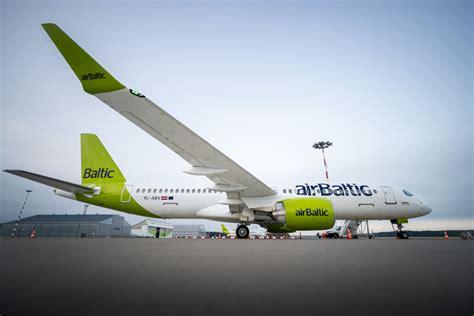
Founded to serve the Baltic region and positioned as a “hybrid” carrier bridging the gap between full-service and low-cost models, airBaltic has built a reputation for innovation and fleet modernization. The airline operates the largest fleet of Airbus A220 aircraft in the world, with 55 aircraft currently in operation and plans to expand to 99 by 2032. These modern aircraft have allowed the airline to streamline operations, reduce costs, and offer improved passenger experiences, including onboard Starlink connectivity and a blockchain-based loyalty program. Despite these technological advancements, financial stability remains a persistent concern.
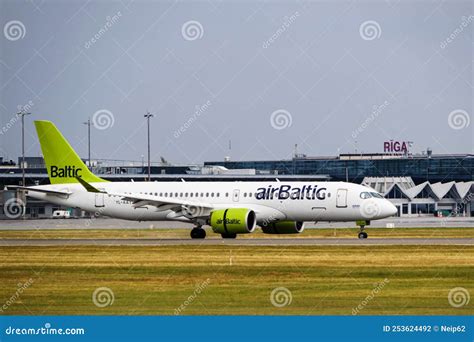
AirBaltic’s primary hub at Riga International Airport (RIX) dominates with a 57% market share, while Vilnius (VNO) and Tallinn (TLL) serve as secondary hubs with market shares of 15% and 30%, respectively. Beyond the Baltics, the airline has been experimenting with network expansion into alternative markets, including seasonal operations in the Canary Islands and bases in Finland. These efforts aim to offset the region’s intense seasonality, yet they also strain an already tight financial position. The Latvian government holds a majority stake of 88.37%, while Lufthansa Group maintains a strategic 10% minority share, reflecting a combination of national interest and strategic alignment with larger European airline networks.
Financial challenges have been a recurring theme for airBaltic. The airline’s most recent profitable full-year performance was in 2023, and historical volatility has often left the company scrambling to maintain liquidity. At the end of 2025, airBaltic reported only €11 million in cash while carrying substantial outstanding debt, including pressing short-term leasing liabilities. Revenue for the year grew modestly by 4% to €779.3 million, with a reduced net loss of €44.3 million, signaling marginal improvement but far from long-term stability. Fitch Ratings highlighted the airline’s “very weak financial flexibility and acute liquidity pressure,” warning that without external support, airBaltic could face a liquidity crisis within six to twelve months.
The airline’s operational performance in early 2026 reflects both resilience and vulnerability. Q1 2026 saw record revenue of €149.1 million, up 12.3% compared to Q1 2025, with net losses of €70.1 million marking a decline of €40.7 million year-over-year. These figures reflect recovery from prior Pratt & Whitney engine issues that grounded multiple aircraft, but the gains are overshadowed by an environment of rising fuel costs, exacerbated by the Iran Crisis beginning in February 2026. Fuel hedging at only 10% leaves the airline exposed to market volatility, adding further pressure on cash reserves as the airline navigates the profitable summer season with a temporary €30 million loan from the Latvian government.
Operational diversification has become central to airBaltic’s strategy, particularly through its ACMI (Aircraft, Crew, Maintenance, Insurance) business. By leasing up to 20 aircraft to other airlines, including Lufthansa and Air Serbia, airBaltic has generated 20.3% of its revenue from ACMI operations. This segment provides critical liquidity and reduces reliance on the highly seasonal Baltic passenger market, but it has drawn criticism domestically for using state funds to support loss-making operations while profiting other airlines. Despite these criticisms, the ACMI business is projected to expand by 30–40% in 2026, signaling an ongoing reliance on leasing as a survival mechanism.
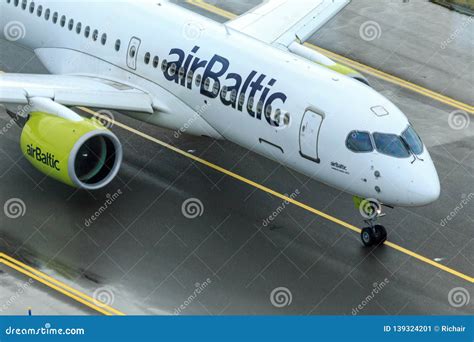
Network expansion beyond the Baltic region has been strategically selective. Initial forays into Finland, such as the Tampere base established in 2022, were scaled back by 2025 due to financial pressures and operational disruptions from engine issues. Conversely, winter-focused operations in the Canary Islands, including Gran Canaria and the upcoming Tenerife base in October 2026, have demonstrated more success. These routes capitalize on high-demand leisure markets while mitigating seasonal dips in the Baltic region, offering airBaltic a lifeline for passenger revenue and aircraft utilization. However, competition in these markets is intense, dominated by ultra-low-cost carriers and traditional leisure airlines, requiring airBaltic to focus on niche point-to-point routes where its Airbus A220s offer optimal efficiency.
The airline’s hybrid business model, while innovative, faces structural challenges. Its ambition to combine elements of low-cost carriers with full-service features requires careful cost management, which is under pressure from high jet fuel prices, rising operational costs, and currency fluctuations. Historical data indicates that despite incremental improvements in EBITDAR and revenue, net profitability has remained elusive. The airline’s adjusted EBITDAR fell 22% from €184.2 million in 2024 to €143.9 million in 2025, highlighting persistent margin pressures.

Government support is pivotal to airBaltic’s short-term survival. The Latvian parliament’s €30 million loan will sustain operations through the summer season, but Fitch Ratings underscores that additional funding will be necessary to bridge a projected large funding gap by year-end 2026. Whether this will come from existing shareholders, new strategic investors, or debt restructuring remains uncertain, and visibility on such support is limited. This uncertainty raises the stakes for the airline as it approaches the traditionally low-demand winter months, when forward bookings typically decline and liquidity pressures intensify.
In addition to financial pressures, airBaltic faces operational scrutiny. The airline has successfully modernized its fleet to a uniform type of Airbus A220s, enhancing efficiency and maintenance predictability. Yet, previous issues with Pratt & Whitney engines revealed the vulnerability of relying on a single aircraft type, particularly when external factors disrupt availability. The first-quarter results suggest full operational recovery, but the lesson is clear: fleet modernization alone cannot insulate against external shocks or financial instability.
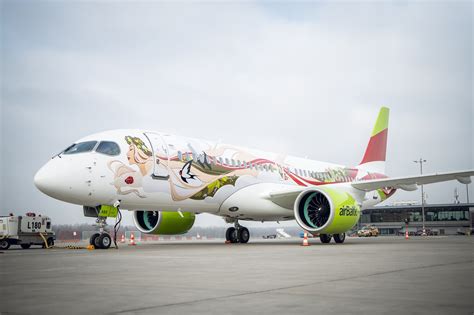
Despite these challenges, airBaltic’s leadership has demonstrated a proactive approach. CEO Erno Hildén emphasizes revenue quality, cost discipline, and maximizing fleet utilization as guiding principles for navigating the uncertain environment. This operational focus is evident in the continued expansion of the airline’s ACMI business, seasonal leisure routes, and technological enhancements such as blockchain-based loyalty programs. These initiatives aim to diversify revenue streams, improve passenger engagement, and reinforce competitive positioning in the Baltic and European markets.
However, critics argue that these efforts may not suffice in the absence of significant financial restructuring or further government intervention. The airline’s dependence on Latvian state support, combined with political friction in neighboring Estonia, underscores the precariousness of its position. Statements from Estonian politicians labeling airBaltic a “bottomless financial hole” highlight the reputational risks and potential regional political complexities that could influence investor confidence and operational partnerships.
The broader airline market context compounds airBaltic’s vulnerability. Rising fuel prices following Middle Eastern unrest, coupled with a general downturn in airline share valuations, create a high-stakes environment for carriers with thin liquidity margins. Spirit Airlines’ recent bankruptcy in the U.S. serves as a cautionary tale, while Ryanair CEO Michael O’Leary’s predictions that airBaltic and Wizz Air could face similar outcomes by fall 2026 amplify market concerns. While Wizz Air appears relatively robust, airBaltic’s smaller cash reserves, debt obligations, and reliance on external support place it in a more precarious position.
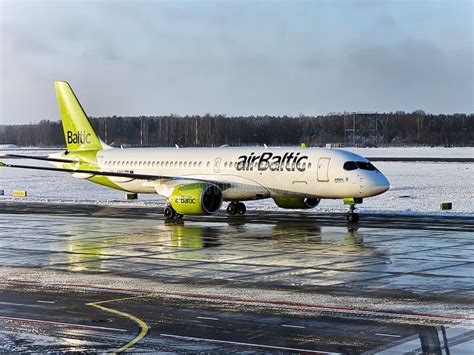
Looking ahead, the airline must navigate several critical challenges to remain viable. First, liquidity management will be essential to weather fluctuations in fuel costs and seasonal demand. Second, debt restructuring or new capital injections may be required to bridge projected funding gaps. Third, maintaining operational efficiency and fleet reliability will be key to sustaining passenger confidence and ACMI revenue. Finally, strategic market expansion, particularly in high-demand leisure destinations like the Canary Islands, must continue to balance profitability with growth ambitions.
In summary, airBaltic stands at a critical juncture in 2026. The airline has demonstrated resilience through fleet modernization, operational diversification, and strategic partnerships, yet financial vulnerability and external pressures continue to cast a shadow over its future. With government support providing only a temporary lifeline, the airline’s survival through the low-demand winter season and its ability to secure new financing will determine whether it can maintain its position as the flagship carrier of Latvia and a prominent player in the Baltic region. For investors, passengers, and regional stakeholders, the question is no longer if airBaltic faces uncertainty—but whether it can successfully navigate the turbulence ahead.
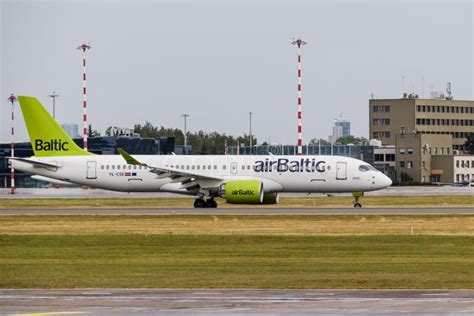
The coming months will be decisive for airBaltic, as it balances liquidity pressures, operational demands, and growth ambitions against a backdrop of geopolitical instability and market volatility. The airline’s performance will not only reflect its internal strategic choices but also the wider resilience of the European regional airline sector, offering insights into the delicate interplay between innovation,