The collapse of New Pacific Airlines has triggered an unusual aviation auction—one that blends aircraft hardware, regulatory authority, and aftermarket potential into a single high-stakes package. At the center of this liquidation are three Boeing 757-200 airframes, a stockpile of spare parts and tooling, and perhaps the most strategically intriguing asset of all: the airline’s FAA Part 121 operating certificate. Together, these elements form a rare opportunity in the aviation industry, where acquiring both aircraft and regulatory infrastructure in one transaction is almost unheard of.
New Pacific’s shutdown in late 2025 followed the Chapter 11 restructuring of FLOAT Alaska, effectively ending an ambitious attempt to revive the mid-capacity premium airline model in the United States. While the airline’s brand may have faded quickly, its aircraft and regulatory credentials are now drawing attention from a very different audience: cargo investors, charter operators, and strategic aviation financiers.
Unlike traditional airline fleet sales, the fate of these aircraft will not be determined by passenger demand alone. The Boeing 757, once a workhorse of transcontinental travel, has largely aged out of the mainstream passenger airline market. However, in the right hands, these narrow-body jets still possess meaningful economic value—especially in freight conversion, charter operations, or component harvesting.
March Auction: A Rare Aviation Asset Bundle
The liquidation auction is scheduled for March 18, with prospective bidders required to qualify by March 16 after signing a non-disclosure agreement. The asset package is unusually diverse, giving buyers the option to bid on the entire portfolio or target individual pieces that fit their business strategy.
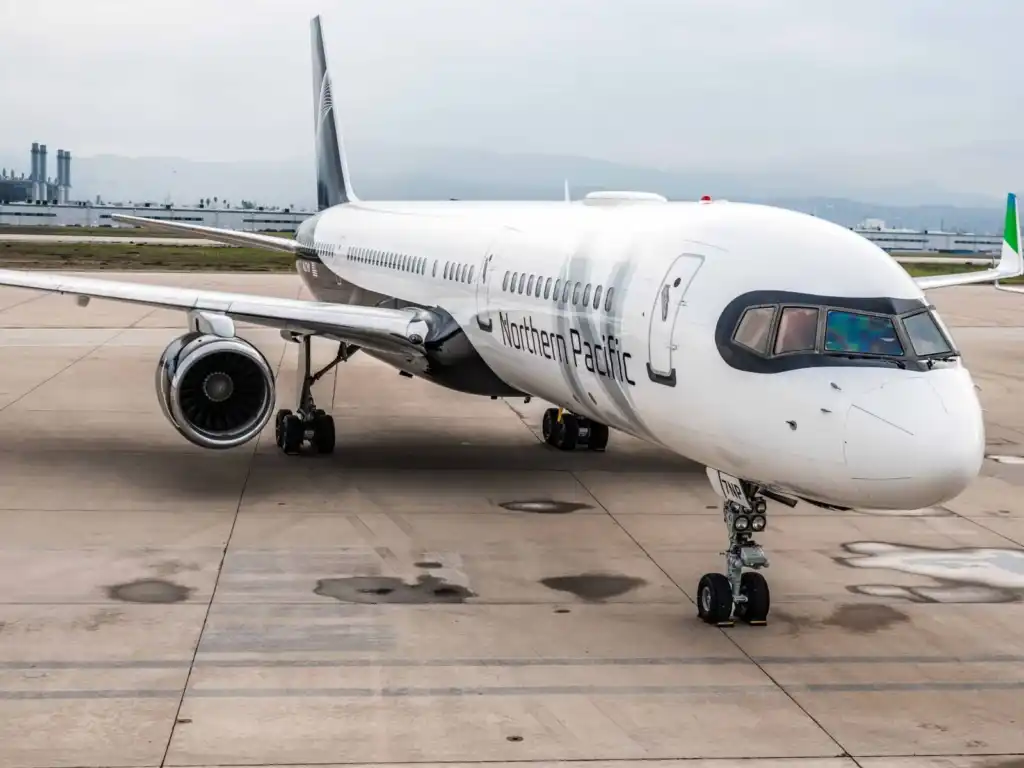
The three Boeing 757-200 airframes involved are currently stored in Mojave, one of the aviation industry’s most prominent desert storage and maintenance locations. Two of the aircraft—N627NP and N628NP—remain complete and equipped with Rolls-Royce RB211-535E4 engines, making them capable of returning to service with relatively limited reactivation work.
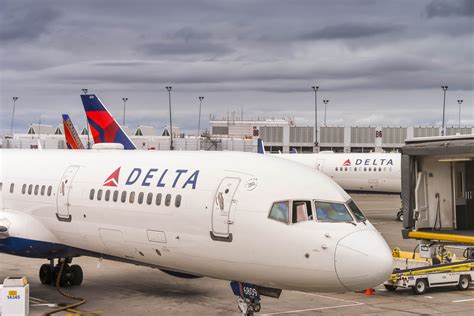
The third aircraft, N629NP, presents a different type of value proposition. It is being sold without engines, which immediately removes it from consideration as a near-term flying aircraft. Yet within the aviation aftermarket ecosystem, such an airframe still carries significant worth. Structural components, avionics modules, flight control hardware, and cabin equipment can all be removed and used to support other operational 757 fleets worldwide.
Equally compelling is the inclusion of New Pacific’s Part 121 operating certificate, the regulatory approval required for scheduled airline operations in the United States. Obtaining such certification from scratch can take years and millions of dollars in compliance preparation, audits, and regulatory reviews. For a startup airline or investment group seeking rapid market entry, acquiring an existing certificate can shortcut much of that timeline.
The Boeing 757’s Second Life Beyond Passenger Airlines
The auction also highlights a broader shift occurring across the aviation industry: the evolution of the Boeing 757 from passenger aircraft to industrial aviation asset. While once a staple of major airline fleets, the 757 has gradually transitioned into a specialized role supporting cargo logistics and mission-specific operations.
Fleet analysts project that over the next decade, the number of Boeing 757 retirements will roughly equal the size of the aircraft’s entire 2025 global fleet. Such projections underscore how rapidly airlines are replacing the type with newer, more fuel-efficient narrow-body aircraft such as the Airbus A321neo and Boeing 737 MAX variants.
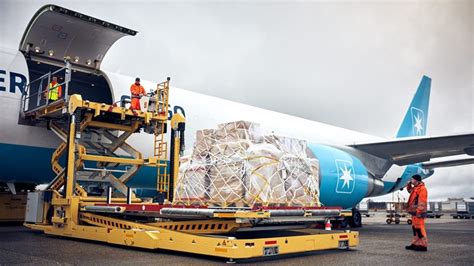
Yet retirement from passenger service does not equate to obsolescence. In fact, the aircraft’s robust structure, strong payload capability, and relatively long range have made it highly attractive for freighter conversions. Converted Boeing 757 freighters now serve extensively within North American and European cargo networks, transporting e-commerce shipments, express parcels, and industrial components.
Industry forecasts support this continuing demand. Boeing’s long-term cargo outlook predicts sustained growth in North American air freight capacity, while IATA expects global cargo volumes to increase further through 2026. These trends reinforce the economic case for keeping existing narrow-body freighters operational rather than investing exclusively in new aircraft.
Because of this dynamic, aircraft like the two flyable New Pacific 757s represent more than relics of a failed airline experiment. In the cargo world, they are still productive tools capable of generating revenue for operators willing to adapt them to freight operations.
Charter Operators and VIP Transport Opportunities
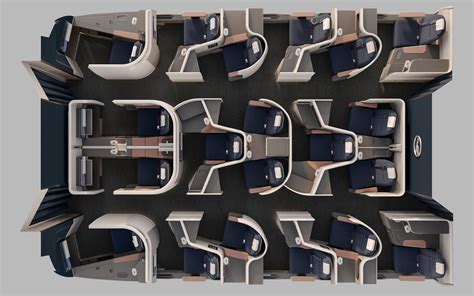
Beyond cargo conversion, another niche market may offer these aircraft a second career: premium charter operations. During its brief operational life, New Pacific configured its 757s in a distinctive 78-seat all-business-class layout, designed to provide an exclusive travel experience.
This configuration proved particularly attractive to certain specialized clients. Sports teams, touring entertainment groups, corporate travel programs, and high-end leisure operators frequently seek aircraft capable of moving large groups in comfort without the complexity of wide-body jets.
Charter companies such as Elevate Aviation and Private Jet Services already collaborated with New Pacific to operate these aircraft on charter routes. Their familiarity with the cabin configuration and operating model could position them as natural bidders for the aircraft themselves.
For charter operators, the aircraft’s combination of range, cabin space, and group capacity fills a niche that smaller business jets cannot easily replicate. Maintaining that configuration could allow the jets to continue serving premium charter missions without expensive reconfiguration.
Strategic Investors Eye the Part 121 Certificate
While aircraft and parts attract attention, some bidders may see the FAA operating certificate as the true prize. Establishing a new airline under Part 121 involves rigorous regulatory scrutiny, safety documentation, operational manuals, and personnel certification. The process can stretch over several years before commercial flights are approved.
For an investor-backed startup airline, purchasing an existing certificate can significantly accelerate the path to market. By acquiring the regulatory framework of an existing operator, a new venture could focus primarily on fleet acquisition and route development rather than starting from scratch.
This dynamic introduces the possibility of a split auction outcome, where different bidders acquire different assets. One company could purchase the aircraft for cargo conversion, another might acquire the spare-parts inventory, while a separate investor group secures the operating certificate to launch a new airline brand.
Alternatively, a single buyer could acquire the entire portfolio, potentially restructuring and reselling individual components for profit.
A Defining Moment for New Pacific’s Legacy
The upcoming auction represents the final chapter in the short and turbulent story of New Pacific Airlines. Yet the aircraft themselves may continue flying long after the airline’s name disappears from departure boards.
Whether they become freighter workhorses, VIP charter transports, or donor airframes supporting other fleets, the Boeing 757s are unlikely to vanish quietly. In the aviation world, aging aircraft often find new life in unexpected roles.
What remains uncertain is who will place the winning bid and how these assets will be divided among the competing interests of cargo operators, charter specialists, and strategic investors. When the auction closes in mid-March, the outcome will determine not only the fate of three aircraft—but also the next chapter in the enduring industrial life of the Boeing 757.