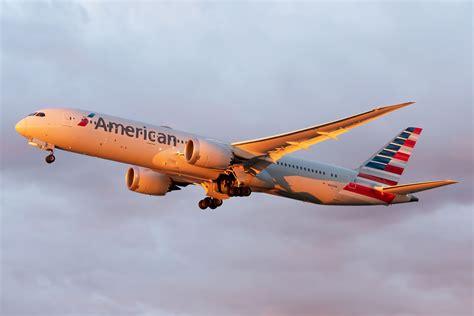
American Airlines is trimming capacity on one of its most strategically significant domestic routes, marking a shift that, while numerically minor, is emblematic of broader trends in network optimization and market responsiveness. Beginning August 2025, American Airlines will replace the Airbus A321 with the smaller Boeing 737-800 on its daily service between Washington D.C.’s Reagan National Airport (DCA) and San Antonio International Airport (SAT). Though the change cuts only 18 seats per flight, it speaks volumes about the airline’s nimbleness and evolving strategy.
The Non-Perimeter Route That Defied Limits
The Washington D.C. to San Antonio route was only recently inaugurated, launched in December 2024 following a landmark policy shift via the FAA Reauthorization Act of 2024. This legislation granted airlines additional access to non-perimeter slots at Reagan National—a tightly regulated airport just across the Potomac River from Capitol Hill.
The non-perimeter slot program was a long-contested feature of U.S. aviation policy. It strictly limits flights from DCA to destinations more than 1,250 miles away, intended to protect regional connectivity and manage airspace congestion. The 1,380-mile DCA-SAT route is one of the few granted an exemption, placing American in an enviable position to capitalize on long-range demand from the nation’s capital to Texas.
A Shift From Airbus A321 to Boeing 737-800
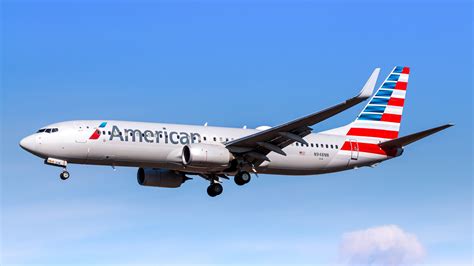
Originally served by the 190-seat Airbus A321, American Airlines has now opted to substitute the aircraft with the 172-seat Boeing 737-800. This aircraft change results in a daily reduction of 36 total seats—18 in each direction—making it a moderate yet tactically significant adjustment.
While the difference might appear minimal in numerical terms, the implications go deeper. The A321, with its greater capacity, was aligned with early forecasts of demand bolstered by government traffic, corporate travelers, and a growing leisure market between the nation’s capital and central Texas. However, fluctuations in government travel—one of the core demand drivers out of DCA—have led to a reassessment.
The Reason Behind the Reduction: Waning Government Demand
According to American Airlines, the decision was prompted by “some impact” on travel demand at its Washington hub, a veiled reference to the decline in government-related bookings. This development appears tied to a combination of budgetary tightening, agency travel policy revisions, and remote work that has affected federal travel volumes.
A spokesperson from American Airlines clarified that no routes are being canceled and the changes are temporary, with the new configuration expected to remain in place through mid-February 2026. The airline emphasized that this move is part of a dynamic fleet management process rather than a reflection of poor route performance.
Strategic Recalibration, Not Retrenchment
It’s important to note that this change does not represent a retrenchment. Instead, it is a targeted recalibration within the broader American Airlines strategy. By deploying a smaller aircraft, the airline aligns its supply more precisely with current demand, avoiding the inefficiencies of under-filled cabins.
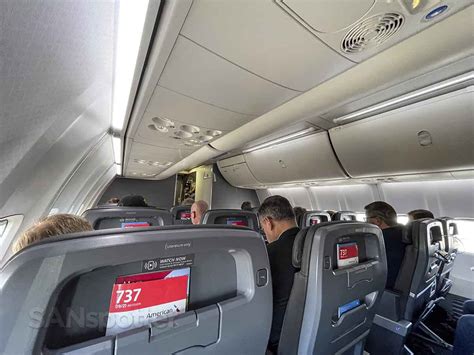
In a business where every seat carries a cost and a revenue potential, trimming excess capacity is a logical step. The Boeing 737-800, which offers modern cabin interiors, Wi-Fi, and first-class seating, still provides a comfortable and consistent experience for passengers.
Operational Continuity: Daily Flights Remain Uninterrupted
Despite this capacity change, American Airlines has reassured travelers that the daily service between DCA and SAT will continue without interruption. There are no reductions in frequency, and all existing time slots will remain intact. Travelers can still enjoy the convenience of direct flights between two pivotal U.S. cities.
For passengers, the most tangible change will be the increased competition for available seats—particularly during peak travel times, holidays, or federal sessions when D.C.-based demand tends to surge. Fare prices may adjust slightly due to lower availability, but no immediate price hikes have been reported as of June 2025.
American’s Fleet Optimization Strategy in Action
This decision falls in line with a broader trend among major U.S. carriers: flexible fleet optimization. Instead of canceling or rebooking passengers, American Airlines is choosing a more elegant solution—downgrading aircraft while maintaining operational continuity. This ensures the route remains financially viable, a crucial move when navigating economic uncertainty and fluctuating demand.
The switch from A321 to 737-800 also enables American to reallocate its higher-capacity aircraft to more profitable or in-demand routes, such as transcontinental services or heavy-traffic corridors like New York–Los Angeles or Chicago–Dallas. In essence, this move helps American Airlines maximize asset productivity across its fleet.
Washington Reagan National: A Highly Constrained Environment
The decision to tweak aircraft type also reflects the unique pressures of operating out of Reagan National Airport. Unlike Dulles or Baltimore-Washington International, DCA has severe constraints due to its limited runway space, curfew regulations, and slot control that restricts the number of takeoffs and landings.
Operating within these limitations means every slot must be used judiciously. The flexibility to swap aircraft without altering flight schedules allows airlines like American to make real-time adjustments that maintain schedule integrity while preserving profitability.

The Texas Angle: San Antonio’s Growing Air Connectivity
For San Antonio International Airport, the D.C. connection remains a significant route. San Antonio is undergoing substantial infrastructure upgrades, including an expansion of its Terminal A and future plans for a new terminal by 2028. These developments signal a long-term vision for becoming a stronger regional hub, especially for federal and defense-related travel.
American’s continued investment in this route—even with a smaller aircraft—demonstrates confidence in San Antonio’s importance within its national route structure. SAT also benefits from a diversified mix of traffic: defense contractors, business travelers, and a growing leisure segment drawn to the city’s rich cultural and historic offerings.
Passenger Outlook: What This Means for Travelers
For passengers, this change will have little impact on service quality but could affect ticket availability and possibly price elasticity on the route. Given the high frequency of demand among government and business travelers, even a marginal drop in capacity can tighten the booking window.
Travelers are encouraged to book earlier to secure preferred seats and travel times. Business travelers may find first-class and priority seating more competitive, while leisure travelers should monitor fares for fluctuations. No changes have been made to baggage policies, onboard services, or flight timings.
Looking Ahead: Temporary Shift or Permanent Trend?
While American Airlines has indicated that the change is temporary, to remain in effect until at least mid-February 2026, the longer-term implications are still unfolding. If government travel continues to lag or if other demand-side pressures emerge, American may decide to extend or even expand its fleet recalibration on other routes.
The airline industry is still navigating post-pandemic recovery patterns, hybrid work travel, and geopolitical tensions that influence both domestic and international demand. Within this landscape, flexible aircraft deployment becomes not just a tactical adjustment, but a core operational strategy.
Final Thoughts: A Measured Move Reflecting Market Realities
The shift from an Airbus A321 to a Boeing 737-800 on the Washington D.C. to San Antonio route may seem modest on paper, but it offers a case study in how airlines adapt quickly and decisively to changing market conditions. In American Airlines’ case, the move reflects a balancing act between efficiency, profitability, and passenger continuity.
Travelers will still have access to one of the most important non-stop routes linking the political heart of the U.S. to the economic hub of Central Texas, even if it means doing so in slightly cozier quarters. In a world where air travel demand remains fluid and unpredictable, such fleet decisions underscore the ever-adapting nature of modern aviation.