American Airlines is set to reduce its daily flight frequency on the critical New York (JFK) to London Heathrow (LHR) route for the upcoming Winter 2025-2026 season, in what is seen as a strategic move to adapt to evolving travel patterns and economic conditions. The airline will decrease its JFK-LHR service from four to three daily flights between November 2025 and March 2026, a decision underscoring a recalibration of long-haul transatlantic operations to reflect seasonal demand and optimize fleet utilization.
This adjustment follows an earlier temporary reduction in May 2025, and although it marks a pullback in direct capacity, American Airlines remains committed to serving Heathrow as its sole London destination from JFK. Travelers seeking alternative connections to other UK airports will still have options through the airline’s codeshare agreements, most notably with British Airways, its joint venture partner.
Strategic Adjustment in Response to Seasonal Demand Trends
The JFK-LHR corridor is one of the busiest and most lucrative international air routes in the world, drawing a consistent mix of corporate, leisure, and VFR (visiting friends and relatives) traffic. However, seasonal dips in winter demand have prompted American Airlines to fine-tune its offerings to better align with market realities. According to data from aviation analytics firm Cirium, this move is part of a broader winter network strategy aimed at consolidating resources without significantly compromising customer options or service reliability.
The shift also reflects an industry-wide trend among legacy carriers to prioritize profitability and aircraft efficiency over volume during shoulder and low-demand seasons. While the reduction to three daily flights represents a 25% decrease in winter capacity, American’s continued partnership with British Airways ensures the transatlantic demand is well-supported with ample flight options.
Aircraft Types and Cabin Offerings Remain Premium-Focused
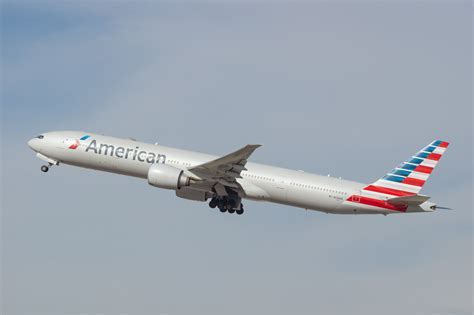
Despite the flight cut, premium service will remain a hallmark of American Airlines’ transatlantic offering. The JFK to LHR flights will primarily be served by a mix of Boeing 777-200ER and 777-300ER aircraft, which are among the most premium-heavy in the airline’s fleet.
The Boeing 777-200ER features 273 seats distributed as follows:
- 37 in Business Class
- 24 in Premium Economy
- 66 in Economy Plus (Main Cabin Extra)
- 146 in Standard Economy
The larger Boeing 777-300ER can accommodate 304 passengers across five classes:
- 8 in First Class
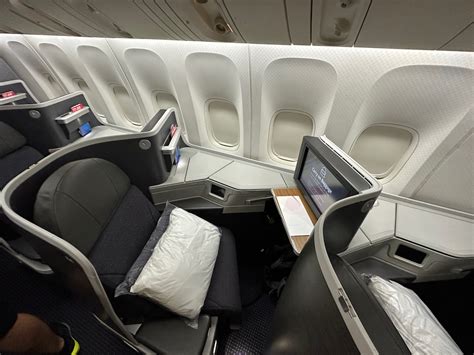
- 52 in Business Class
- 28 in Premium Economy
- 28 in Economy Plus
- 188 in Economy
These long-haul aircraft are tailored to meet the needs of both business travelers and leisure passengers, offering lie-flat seating, improved IFE systems, and elevated onboard dining in the premium cabins.
Competitive Landscape: High Stakes on the JFK-LHR Route
The transatlantic battle between New York and London is fierce. Several carriers maintain substantial operations on the JFK-LHR route, contributing to a competitive environment where frequency, timing, and onboard service are critical differentiators.
As of Winter 2025-2026, the route will be served by the following daily frequencies:
- American Airlines: 3x daily
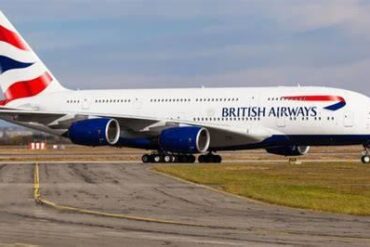
- British Airways: 8x daily
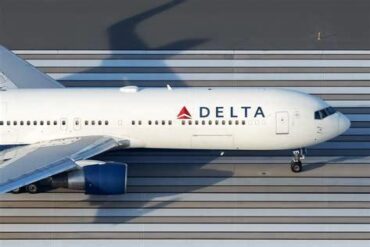
- Delta Air Lines: 2x daily
- JetBlue Airways: 2x daily
- Virgin Atlantic: 4x daily
British Airways leads the pack with eight daily flights, maintaining its dominant presence on the corridor. The combined American Airlines–British Airways transatlantic joint business continues to be a formidable force, offering a total of 11 daily flights between JFK and LHR even during the lower-demand winter period.
Virgin Atlantic, operating the Boeing 787-9 Dreamliner, continues to prioritize frequency and comfort, particularly with its Upper Class and Premium Economy offerings. Meanwhile, JetBlue Airways leverages its transatlantic expansion with Airbus A321LRs, offering the innovative Mint Suite business class product, targeting both premium leisure and SME business travelers. Delta Air Lines, a SkyTeam rival, deploys a mix of Airbus A330neo and Boeing 767-400 aircraft, delivering consistent service with Delta One Suites on selected flights.
Premium Expansion: American Bets on the Flagship Suite
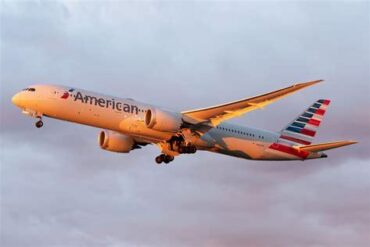
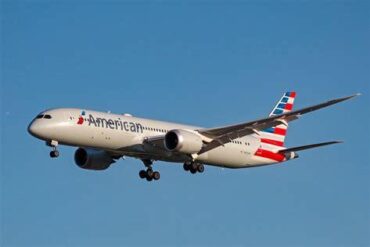
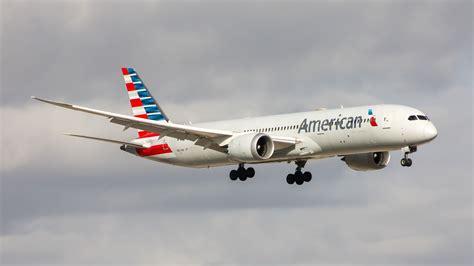
American Airlines is making strategic investments in its premium cabin experience, even amid frequency reductions. The airline’s newly configured Boeing 787-9 Dreamliners, featuring the Flagship Suite business class, are gradually being integrated into transatlantic operations, including routes to London Heathrow.
These advanced aircraft come with a layout focused heavily on premium service:
- 51 Flagship Business Suites
- 32 Premium Economy seats
- 161 Economy seats
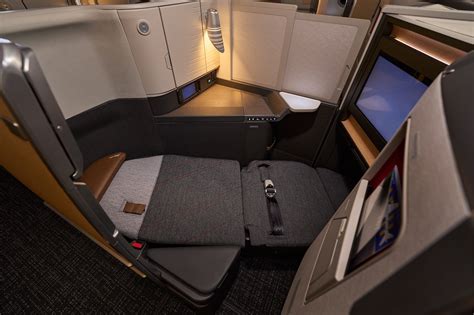
The Flagship Suite is American’s response to shifting customer preferences toward privacy, space, and service, especially on long-haul flights. Suites feature fully enclosed doors, direct aisle access, wireless charging, 4K entertainment screens, and upgraded dining experiences.
Additionally, the airline has been granted FAA approval to operate these 787-9s with one fewer cabin crew member. This results in leaner crew deployment — seven instead of eight — enabling better cost efficiency without compromising safety or service delivery. The same aircraft type will also operate on key routes from Chicago O’Hare (ORD), Philadelphia (PHL), and Dallas/Fort Worth (DFW) to London, supporting AA’s overall long-haul strategy.
Balancing Market Forces and Operational Resilience
The decision to trim JFK-LHR winter flights represents more than a tactical schedule change — it reflects a broader strategic recalibration by American Airlines as it seeks to navigate fuel costs, slot limitations, crew scheduling complexities, and changing passenger behavior. The airline industry continues to operate in a volatile economic environment shaped by post-pandemic recovery, fluctuating international demand, and competitive dynamics.
By tightening frequency in the off-peak season while maintaining a strong codeshare network and focusing on premium revenue generation, American Airlines aims to strike a balance between profitability and brand presence on the transatlantic front. The importance of the JFK-LHR route cannot be overstated — it’s not merely about seats filled, but about capturing the high-yield traveler, securing corporate contracts, and maintaining market visibility.
American’s reduction aligns with an industry-wide trend toward route rationalization during less profitable windows, a tactic employed across alliances and independent carriers alike. Meanwhile, retaining flexibility to ramp up capacity for Summer 2026 remains a critical part of AA’s network planning, especially as it continues to modernize its widebody fleet.
What This Means for Travelers
For passengers, the reduction in daily flights may mean fewer nonstop time options on American-operated services. However, with British Airways maintaining a robust schedule, the combined 11 daily flights under the joint venture ensures there is no loss in total connectivity.
Additionally, travelers can expect improved onboard products thanks to fleet upgrades and redesigned cabin interiors. For loyalty program members and frequent flyers, integration between AAdvantage and Executive Club means mileage redemptions and elite benefits continue to be honored seamlessly.
What matters now is how American will utilize its remaining winter slots at JFK and LHR, which are among the most coveted in global aviation. With limited transatlantic windows and fierce competition from both traditional and low-cost entrants, every strategic move carries weight.
Conclusion: A Calculated Winter Strategy, Not a Retreat
The winter 2025-2026 capacity reduction on the New York to London route is a calculated move by American Airlines. While fewer flights will operate under the airline’s own banner, customers will still benefit from robust joint operations with British Airways, a renewed focus on premium services, and continuous product enhancements.
By streamlining operations and deploying newer, more premium-focused aircraft like the 787-9 Flagship Suite, American aims not just to cut costs but to elevate the customer experience. The shift is less about withdrawal and more about refinement — sharpening the brand’s transatlantic presence during a seasonally softer period while staying resilient in one of the world’s most contested travel markets.
The American Airlines JFK-LHR frequency cut for winter 2025-2026 may reduce options slightly, but for most travelers, the experience will remain seamless, comfortable, and well-connected — all while American positions itself for growth as demand rebounds in the summer season and beyond.