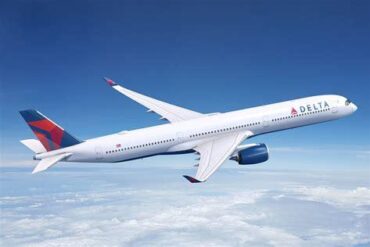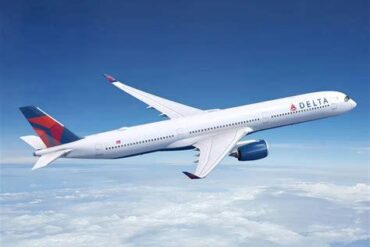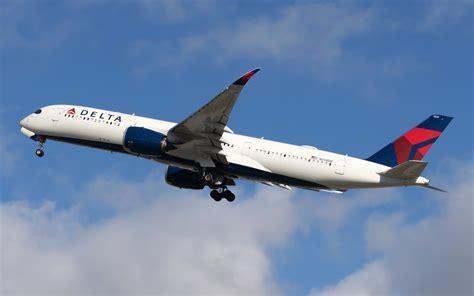
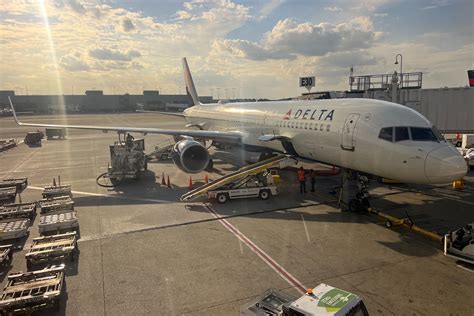
Delta Air Lines has officially confirmed October 23, 2026, as the launch date for its first-ever nonstop service between Atlanta and Riyadh, opening a pivotal new chapter in U.S.–Middle East air travel. Operated by the state-of-the-art Airbus A350-900, the route will connect Hartsfield-Jackson Atlanta International Airport (ATL) with King Khalid International Airport (RUH), marking a critical step in Delta’s international growth strategy and Saudi Arabia’s global tourism ambitions.
Delta’s Strategic Leap into Saudi Arabia
This new transcontinental service is not merely another route. It symbolizes Delta’s inaugural direct footprint in Saudi Arabia, a market that has, until now, lacked nonstop Delta connectivity. The flight is set to operate year-round, providing consistent access to one of the Middle East’s fastest-growing capitals and solidifying Atlanta’s role as a true global gateway.
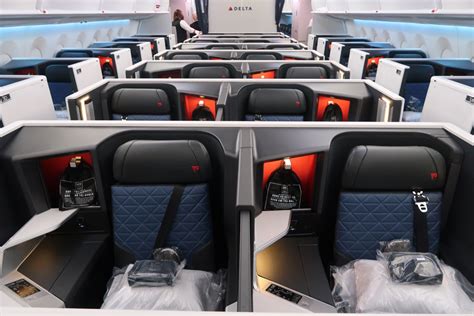
Delta’s decision to anchor the Riyadh route from its largest global hub in Atlanta unlocks seamless one-stop connectivity across the Americas. This enhances travel for business passengers and leisure travelers alike, with flight times estimated at 13 hours and featuring Delta’s internationally acclaimed onboard product across four cabins: Delta One suites, Premium Select, Comfort+, and Main Cabin.
A Firm Commitment to Global Network Expansion
Delta first revealed intentions for the Atlanta–Riyadh route in mid-2026, but only now has it finalized the exact launch date and operational details. With the flight now officially loaded into booking systems and seats already on sale (starting at $921 one-way), the carrier has signaled serious intent to capitalize on emerging Middle Eastern markets.
This move comes amid Delta’s broader strategy to focus on underserved and high-growth international sectors. Unlike heavily saturated corridors to Europe and East Asia, the U.S.–Saudi corridor remains relatively open. Riyadh, long overshadowed by Dubai and Doha in aviation circles, is rapidly emerging as a global air traffic hub, fueled by ambitious infrastructure investment and the Kingdom’s Vision 2030 roadmap.
The A350-900: Comfort Meets Sustainability
At the core of this new route is Delta’s commitment to combining operational efficiency with premium passenger experience. The Airbus A350-900 is a flagship of next-generation aviation, known for its:
- Lower fuel burn and emissions, supporting Delta’s sustainability targets
- Advanced cabin pressure systems and quieter interiors, enhancing passenger comfort
- High-density range performance, ideal for ultra-long-haul missions like ATL–RUH
The aircraft’s introduction on this route also signals Delta’s intent to deploy its best-in-class hardware on strategic, high-value markets, rather than just legacy corridors.
Aligning with Saudi Arabia’s Tourism & Business Aspirations
Saudi Arabia has made clear that attracting top-tier global carriers is part of its Vision 2030 economic diversification strategy. By securing a direct connection with Delta, the Kingdom adds a major U.S. airline to Riyadh’s growing roster of international players.
Delta’s entry complements Riyadh’s ambitions to become a leading business, innovation, and cultural exchange hub. Speaking on the launch, Saudi Tourism Minister Ahmed Al-Khateeb noted:
“Delta’s new nonstop flights between Atlanta and Riyadh mark a significant milestone in strengthening global connectivity between our nations and will open new doors for tourism and cultural exchange while driving business and innovation.”
This direct link will be crucial for:
- Facilitating U.S.–Saudi bilateral trade
- Enhancing accessibility for international conferences and business travel
- Supporting religious and cultural tourism, particularly for U.S.-based Muslims
Breaking Away from Hub Dependence
The ATL–RUH flight also gives U.S.-based travelers a long-haul alternative to traditional routing through European or Gulf hubs. Instead of relying on codeshares or multi-leg itineraries via London, Frankfurt, or Doha, passengers can now opt for a single-carrier, nonstop experience.
This represents a competitive edge for Delta, particularly as global aviation reconfigures post-pandemic around direct, point-to-point connectivity. Additionally, it pressures traditional Gulf carriers and their U.S. alliance partners, who have long enjoyed a near-monopoly on Middle East access.

Competitive Landscape: Entering a Dynamic Market
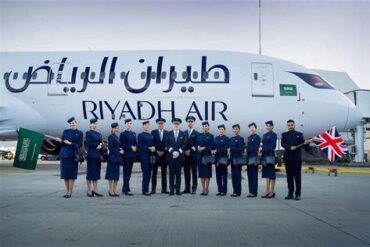
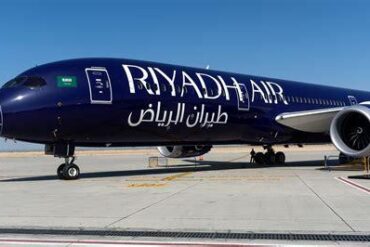
Delta’s move also underscores the intensifying competition to secure position in the Saudi market. National carrier Saudia is aggressively expanding its global footprint, while new entrant Riyadh Air is poised to shake up the status quo with its premium-focused strategy.
Other U.S. and European carriers, including American Airlines and Lufthansa, are watching closely. Delta’s early positioning gives it first-mover advantage among major U.S. airlines, potentially capturing premium market share and institutional loyalty from multinational clients with operations in Saudi Arabia.
Moreover, Riyadh’s airport is undergoing major expansion to accommodate a projected 100 million passengers by 2030. Delta’s early entry locks in strategic slots and resources that may become scarce in the years ahead.
Long-Haul Growth in a Rebalanced Network
The Atlanta–Riyadh route fits within Delta’s broader recalibration of international services. With past reductions in Asia and cautious recovery in transatlantic travel, Delta has redirected resources toward markets with long-term upside.
Riyadh exemplifies this pivot. It offers a unique mix of corporate, diplomatic, religious, and leisure demand—making it resilient to seasonal volatility. Furthermore, aligning new long-haul service with aircraft like the A350-900 allows Delta to maximize profitability while minimizing environmental impact.
Booking and Outlook
Delta has already opened ticket sales via its official website and global distribution systems. Early bookings are expected to be driven by corporate travelers, religious pilgrims, and expats. Fares start at $921 one-way, with flexibility for upgrades to Delta One suites—featuring lie-flat beds, chef-curated meals, and lounge access.
With this launch, Delta isn’t just adding a dot on the map—it’s making a strategic investment in the future of global aviation, aligned with shifting geopolitical, economic, and consumer dynamics.
Travelers now have a new, premium option for crossing continents, and Riyadh gains a vital connection to North America’s southeastern powerhouse. As Saudi Arabia ascends the ranks of international destinations, Delta is ensuring it’s not just watching from the sidelines—but shaping the route ahead.