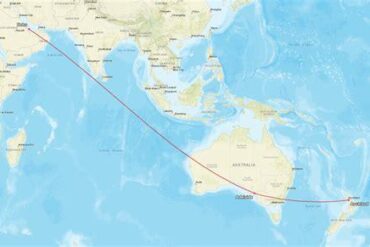
Qatar Airways is preparing to make another major change to its New Zealand network, with Auckland flights switching from Adelaide to Melbourne in December 2026. The new routing will create an unusually long journey between Auckland and Doha, with the westbound service scheduled at 20 hours and 10 minutes including the Melbourne stop.
The change is part of a broader reshaping of Qatar Airways’ Australia-New Zealand operations. The airline has served New Zealand for roughly nine years, but its operating pattern has changed considerably since the COVID-19 pandemic. After previously flying between Doha and Auckland nonstop, Qatar Airways introduced an Australian stop, and the current geopolitical situation has helped keep that arrangement in place.
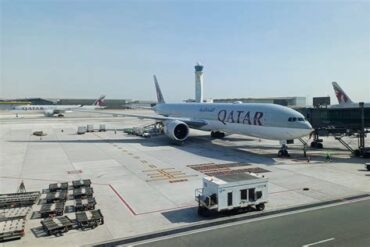
For passengers, the upcoming move from Adelaide Airport (ADL) to Melbourne Airport (MEL) will be particularly significant. Qatar Airways currently operates Doha-Hamad International Airport (DOH)-Adelaide-Auckland Airport (AKL) daily, using a 354-seat Boeing 777-300ER. That arrangement is scheduled to continue only until early December, after which Melbourne will become the Australian gateway on the Auckland route.
Qatar Airways Auckland Flights Switch From Adelaide to Melbourne
The transition will happen in stages. According to the current schedule data, Qatar Airways will replace the Boeing 777-300ER on the Doha-Adelaide-Auckland service with an Airbus A350-900 from October 19 through December 8. The A350-900 has 283 seats in the referenced configuration, meaning the temporary aircraft change will significantly reduce capacity compared with the Triple Seven.
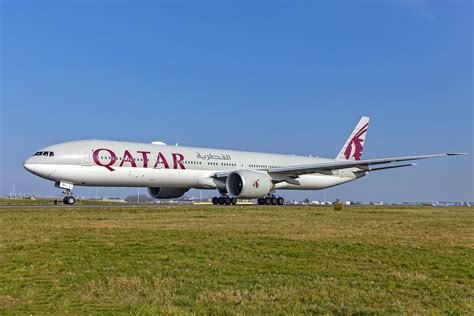
The bigger change arrives on December 9, 2026. From that date, Qatar Airways will stop routing its Auckland service through Adelaide and instead operate through Melbourne. The Boeing 777-300ER will return, bringing substantially more seats to the route while giving the airline access to Melbourne’s large international market.
Qatar Airways is also scheduled to return to twice-daily Melbourne-Doha service at the same time. One of those flights will continue onward to Canberra, while the other will operate to Auckland. The Canberra routing is connected with the airline’s strategy for operating within the Australia-Qatar bilateral framework and expanding access to Melbourne.
The result will be a particularly unusual network structure. Qatar Airways will operate Doha-Melbourne-Auckland in one direction and Auckland-Melbourne-Doha in the other, while another service continues to Canberra. Virgin Australia is also scheduled to operate daily Melbourne-Doha service using a Qatar Airways Boeing 777-300ER under a lease arrangement.
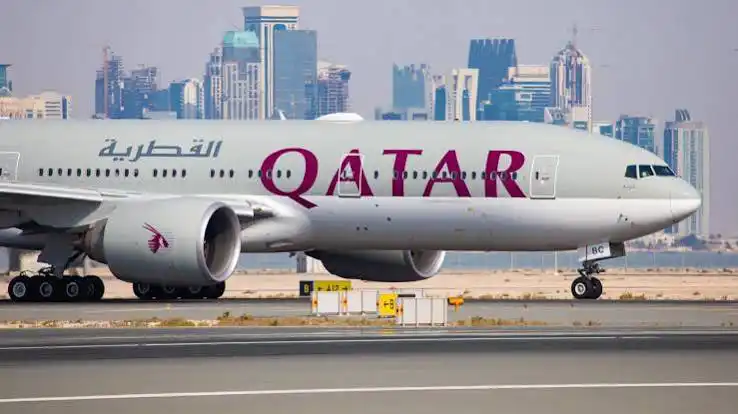
New Doha-Auckland Flight Takes 20 Hours 10 Minutes
The most eye-catching part of the new schedule is the total journey time. The westbound Auckland-to-Doha journey is scheduled to take 20 hours and 10 minutes, making it one of the longest scheduled one-stop airline journeys available on this city pair.
The reason is straightforward: passengers are not simply changing aircraft at Melbourne. The aircraft operating from Doha arrives in Melbourne late at night, with the schedule calling for arrival at 11:20 PM before the onward Auckland flight departs at 1:20 AM. The aircraft therefore spends around two hours on the ground while refueling and preparing for the next sector, with a crew change also involved.
The schedule is unusual enough to make the Melbourne connection a defining feature of the new service. Qatar Airways will have fifth-freedom traffic rights on the Melbourne-Auckland sector, allowing passengers to travel between Australia and New Zealand on the Qatar Airways-operated flight rather than merely using Melbourne as an intermediate technical stop.
The December schedule is currently listed as follows:
- DOH-MEL: QR904, 1:50 AM-11:20 PM
- MEL-AKL: QR904, 1:20 AM-6:50 AM
- AKL-MEL: QR905, 1:15 PM-3:10 PM
- MEL-DOH: QR905, 5:10 PM-11:25 PM
All four sectors are scheduled daily under the current plan.
Melbourne Becomes Qatar Airways’ New Zealand Gateway
The Melbourne routing will also create a new role for Victoria in Qatar Airways’ network. The airline has previously extended its Melbourne operations to other Australian destinations, including Adelaide and Canberra, but Auckland will represent a new extension from Melbourne into New Zealand.
For Melbourne passengers, the fifth-freedom component creates another useful travel option. Travelers will be able to use the Qatar Airways-operated Melbourne-Auckland service independently of the longer Doha itinerary, subject to the applicable ticketing and regulatory arrangements. That gives the airline an opportunity to compete for Australia-New Zealand traffic as well as passengers traveling between New Zealand, Australia and Europe.
The change also alters the role of Adelaide. Instead of continuing to connect Qatar Airways’ New Zealand operation with Adelaide, the airline is expected to operate the Doha-Adelaide service on a terminating basis. The A350-900 will therefore serve Adelaide without continuing onward to Auckland, meaning its available seats can be sold entirely to and from the South Australian market.
That could increase Qatar Airways’ focus on passengers traveling from Adelaide toward Europe and other international destinations. The airline will be competing for this traffic with established carriers such as Emirates and Singapore Airlines, while the Melbourne operation will simultaneously give Qatar Airways a larger Australian market through which to route Auckland passengers.
Qatar Airways Plans Another Auckland Route Change in 2027
The Melbourne arrangement is not necessarily the final chapter. Qatar Airways has already scheduled another change for July 2027, when Auckland service is expected to move from Melbourne to Brisbane Airport (BNE).
The current plan calls for a short gap after June 24, followed by the resumption of New Zealand service on July 1 via Brisbane. The Boeing 777-300ER is expected to operate the route, with scheduled Auckland arrival at approximately 5:55 AM and departure at 11:20 AM.
That means the airline’s New Zealand network could pass through three different Australian gateways in a relatively short period: Adelaide, Melbourne and then Brisbane. The sequence reflects how sensitive long-haul airline schedules can be to aircraft availability, bilateral agreements, operating economics and geopolitical conditions.
Will Qatar Airways Return to Nonstop Auckland Flights?
Qatar Airways has a clear long-term reason to restore nonstop Doha-Auckland flights. Eliminating the Australian stop would reduce operating complexity, shorten the passenger journey and avoid the additional costs associated with landing and handling an aircraft at an intermediate airport.
A nonstop operation would also make Qatar Airways more competitive against airlines offering one-stop journeys between New Zealand and Europe. The current routing requires passengers to spend additional time in Australia, whereas a nonstop flight could provide a simpler connection through Doha’s extensive international network.
However, a return to nonstop service is not currently scheduled. The future of the route will depend on operational requirements and the wider geopolitical environment, including the consequences of the war in Iran referenced in the current schedule planning.
For now, passengers booking Qatar Airways between Doha and Auckland should expect the routing to keep changing. The airline is scheduled to move from Adelaide to Melbourne on December 9, 2026, creating a 20-hour-plus Auckland-Doha journey, before potentially shifting again to Brisbane in July 2027. The constantly changing itinerary illustrates just how dramatically long-haul networks can be reshaped when airlines have to balance aircraft availability, international agreements, operating costs and regional conditions.