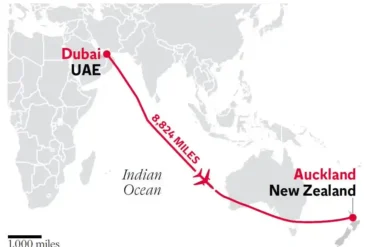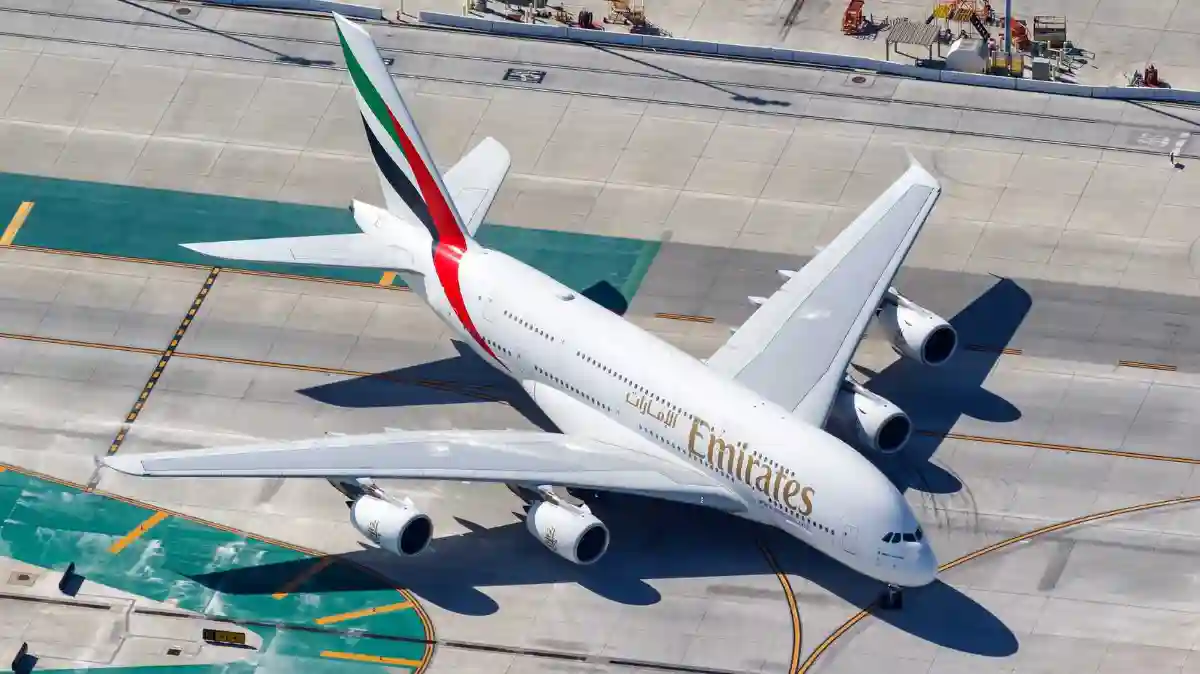
The Emirates Dubai to Auckland Airbus A380 route represents one of the most ambitious achievements in modern commercial aviation. Stretching across approximately 8,800 miles (14,162 kilometers), the nonstop connection between Dubai International Airport (DXB) and Auckland Airport (AKL) pushes aircraft capability, flight planning, and airline operations to an extreme level. However, the success of this record-setting route is not based only on the impressive range of the Airbus A380. Behind every departure is a carefully designed network strategy that ensures passengers can still reach New Zealand even when nonstop operations face challenges.
Since its launch in March 2016, Emirates has quietly maintained a lesser-known fallback system that strengthens the reliability of its longest Airbus A380 operation. While travelers often focus on the remarkable nonstop journey across continents and oceans, the airline has preserved alternative connections through Australia, creating additional flexibility for both passengers and operational planners.
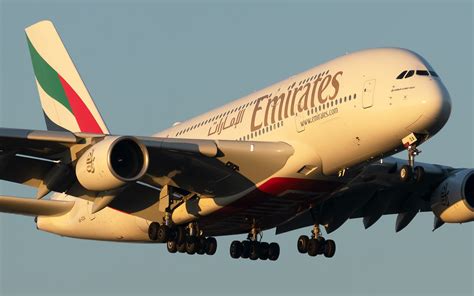
The ability to operate one of the world’s longest commercial flights requires much more than selecting a large aircraft and filling its seats. Emirates must constantly evaluate weather patterns, seasonal winds, fuel requirements, aircraft performance, passenger demand, and air traffic conditions before each departure. A flight lasting more than 17 hours leaves little room for unexpected problems, meaning even minor changes can have major consequences.
The Dubai-Auckland service demonstrates how modern airlines combine aircraft technology with network planning. The Airbus A380 provides the physical capability to complete the mission, but Emirates’ broader route structure provides the operational security needed to maintain service continuity.
Auckland Remains Emirates’ Longest Airbus A380 Operation
The nonstop Emirates service between Dubai and Auckland has earned a special place in aviation history. It remains the airline’s longest scheduled Airbus A380 route, connecting the Middle East with New Zealand through one of the most demanding commercial flight paths in existence.
The journey is particularly challenging because of the enormous distance involved. Although the eastbound flight from Auckland to Dubai benefits from certain atmospheric conditions, the westbound return journey often faces stronger opposing winds. During favorable periods, the flight can be completed in slightly more than 17 hours, but stronger headwinds may increase the duration to approximately 17 hours and 25 minutes.
For airline planners, these differences are significant. On a short regional flight, additional fuel consumption caused by changing winds may have limited impact. On an ultra-long-haul route, however, every extra hour in the air affects fuel reserves, payload limitations, and aircraft efficiency.
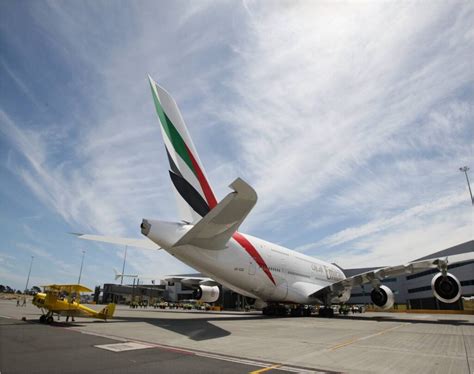
Before every departure, Emirates dispatch teams analyze detailed forecasts to determine the ideal balance between fuel load and passenger capacity. The aircraft must carry enough fuel to handle possible delays, weather changes, and alternative routing requirements while avoiding unnecessary weight that could reduce efficiency.
The Airbus A380 is uniquely suited to this mission because of its combination of long-range capability and high passenger capacity. Unlike smaller aircraft that may require multiple frequencies to carry similar passenger numbers, the A380 allows Emirates to consolidate demand into a single premium long-haul experience.
Despite many airlines reducing their A380 operations, Emirates has continued investing heavily in the aircraft. The carrier operates the world’s largest A380 fleet, using the aircraft as the foundation of its long-distance network.
Australia Provides Emirates With a Strategic Backup Route
Although the nonstop Dubai-Auckland flight receives the most attention, Emirates has never depended entirely on this single connection. The airline has maintained a powerful alternative network through major Australian cities, allowing passengers to continue traveling to New Zealand through established connecting routes.
The most important gateway in this strategy has traditionally been Sydney Kingsford Smith Airport (SYD). Emirates operates extensive services between Dubai and Sydney, creating a reliable connection point for passengers traveling onward to Auckland. The airline also maintains strong operations to Melbourne Airport (MEL) and Brisbane Airport (BNE), providing additional options across the Australian market.
This backup system is valuable because it does not require Emirates to create emergency solutions whenever circumstances change. The alternative routes already exist as part of the airline’s normal network structure. If nonstop schedules are adjusted because of operational requirements, passengers can still reach their destinations through Australia.
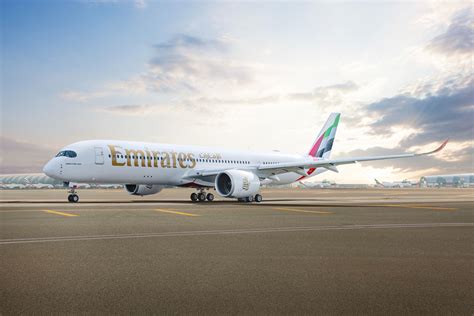
The strategy also benefits travelers starting their journeys outside Dubai. Emirates operates a global hub model, bringing passengers from Europe, Asia, Africa, and the Middle East through Dubai before connecting them to destinations across the Asia-Pacific region.
By maintaining multiple pathways into New Zealand, Emirates reduces dependency on one individual flight. This creates a more resilient system where passengers have greater flexibility and the airline can adjust operations without significantly affecting connectivity.
The Australian routes are not replacements for the Dubai-Auckland nonstop service. Instead, they work alongside it. The combination of nonstop and connecting options gives Emirates greater control over capacity management and scheduling decisions.
Ultra-Long-Haul Airbus A380 Flights Require Operational Flexibility
Operating flights beyond 17 hours introduces challenges that do not exist on shorter routes. Airlines must consider a wide range of factors, including aircraft performance, cargo requirements, alternate airports, regulatory fuel rules, and atmospheric conditions.
One of the biggest challenges on the Dubai-Auckland route is wind. Strong headwinds can significantly increase fuel consumption and reduce available operational margins. Because the aircraft crosses vast areas of ocean and remote airspace, planners must carefully evaluate possible scenarios before the aircraft leaves the ground.
A flight cannot simply continue as planned if conditions change dramatically. Diversion opportunities are limited, especially over long stretches of the Pacific and Indian Ocean regions. This makes careful preparation essential.
The availability of Australian connections gives Emirates additional flexibility. Instead of forcing every passenger onto the nonstop service regardless of circumstances, the airline can adjust its network based on operational needs.
This approach also helps Emirates manage its valuable Airbus A380 fleet. Large aircraft require careful scheduling because they represent significant investments. Having multiple routing options allows the airline to position aircraft where demand is strongest while continuing to serve important markets.
The lesson from Emirates’ strategy is clear: successful ultra-long-haul aviation depends on more than aircraft range. The strongest operations combine advanced aircraft, experienced planning teams, and a flexible global network.
Growing Demand Has Supported More Frequent Nonstop Operations
Despite maintaining alternative connections through Australia, Emirates has continued expanding its nonstop Dubai-Auckland service as passenger demand has increased.
The growth of international travel following the pandemic recovery period strengthened demand for long-distance routes. Emirates responded by increasing capacity and eventually moving toward daily Airbus A380 operations on the route.
This expansion demonstrated confidence in the market. Operating the A380 on such a long mission requires significant investment, but strong passenger demand and premium travel opportunities have helped justify the decision.
However, the growth of nonstop operations has not eliminated the importance of the Australian network. The backup routes continue to serve several purposes, including supporting passengers traveling to Australian destinations and providing additional flexibility during schedule changes.
The combination of nonstop and connecting services creates a balanced network model. Emirates can offer passengers a premium direct experience while maintaining operational resilience behind the scenes.
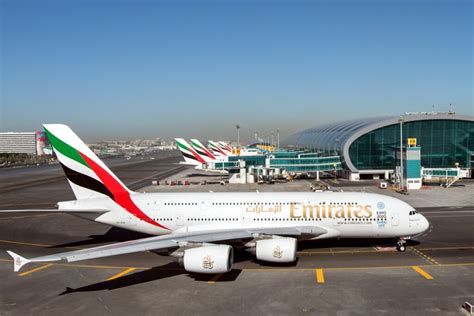
This approach reflects a broader aviation principle: the strongest airline networks are not built around individual flights alone. They are designed with multiple options that allow the entire system to adapt.
The Airbus A380 Remains Central to Emirates’ Long-Haul Strategy
While many airlines have retired their Airbus A380 fleets, Emirates continues to view the aircraft as a crucial part of its future. The airline operates more A380s than any other carrier, using the aircraft on high-demand international routes across Europe, Asia, Australia, and North America.
The Dubai-Auckland route highlights why Emirates remains committed to the aircraft. The A380 provides the capacity required for one of the world’s longest commercial flights while allowing passengers to enjoy a distinctive onboard experience.
For premium travelers, the aircraft offers features such as First Class private suites, onboard showers, and the famous Emirates lounge. For economy passengers, the wide cabin and large aircraft design provide additional comfort during an exceptionally long journey.
Emirates has also invested in cabin refurbishment programs to keep its A380 fleet competitive. Updated interiors, refreshed seating, and modernized passenger areas help extend the aircraft’s relevance in an industry increasingly focused on efficiency.
According to aviation industry data, Emirates operates approximately 116 Airbus A380 aircraft, making the type a defining element of the airline’s identity.
Although newer aircraft such as the Airbus A350 and Boeing 787 offer improved fuel efficiency, the A380 remains valuable where passenger demand can support its large capacity.
Emirates’ Hidden Backup Shows Why Network Planning Matters
From the passenger perspective, the Dubai-Auckland nonstop flight appears to be a simple connection between two distant cities. In reality, it is one part of a much larger operational system built around flexibility and reliability.
The Australian connection strategy reveals an important aspect of Emirates’ success. The airline does not treat the Dubai-Auckland route as an isolated achievement. Instead, it supports the service with a broader network that can adapt when conditions change.
Maintaining connections through Sydney, Melbourne, and Brisbane gives Emirates the ability to manage demand fluctuations, schedule adjustments, and operational challenges without losing access to the New Zealand market.
The airline’s approach demonstrates that aviation records are rarely achieved by aircraft alone. The Airbus A380 provides the capability, but the surrounding network provides the confidence to operate one of the world’s most demanding routes consistently.
By combining a record-breaking nonstop flight with a carefully maintained fallback system, Emirates has created a model of resilience. Its longest Airbus A380 route succeeds not only because the aircraft can fly the distance, but because the airline has built an entire operation designed to support it.