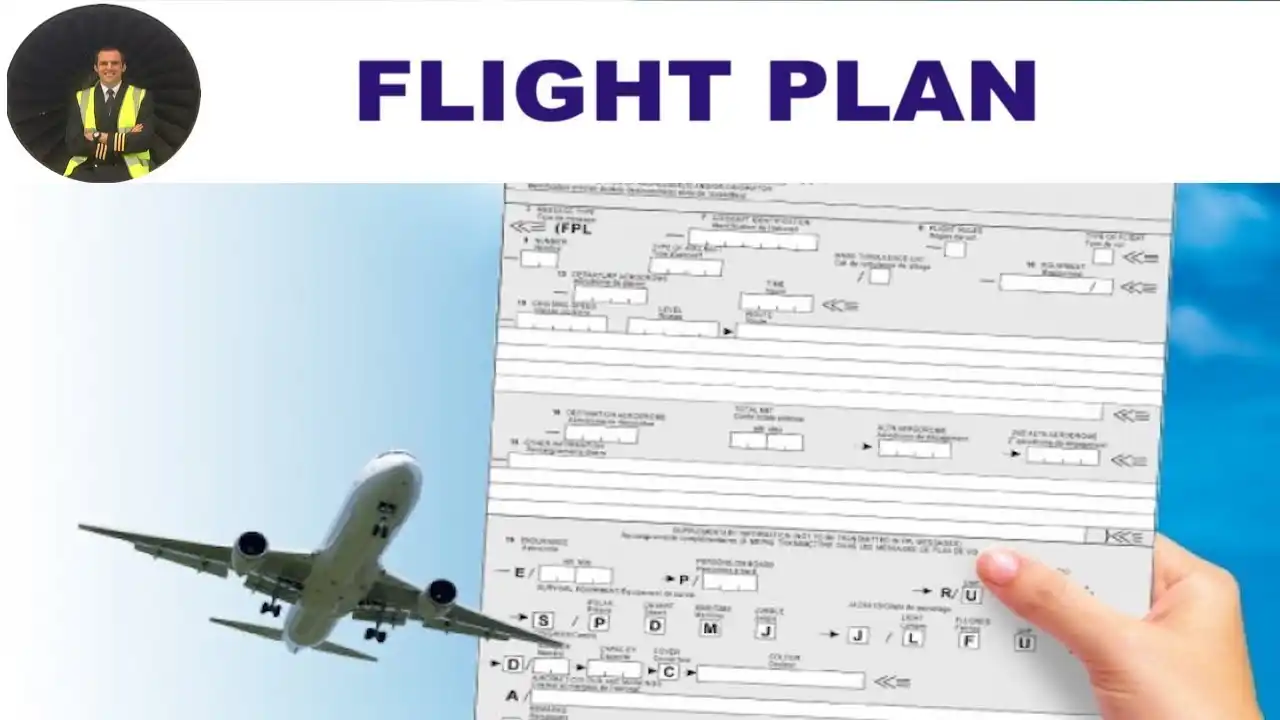
An Operational Flight Plan, or OFP, is a document used by pilots during flight to track progress and ensure the aircraft reaches its destination safely, on time, and with enough fuel. It also serves as a formal record of the flight, useful for audits or investigations. When it’s well-structured and correctly filled out, the OFP helps improve situational awareness throughout the flight.
What’s Typically Included in an OFP
While the layout may vary between operators, most OFPs follow a similar structure and are often generated by computer systems. The typical details found in an OFP include the aircraft’s registration, type, and model. It also records the flight date, identification number, and the names and roles of the flight crew.
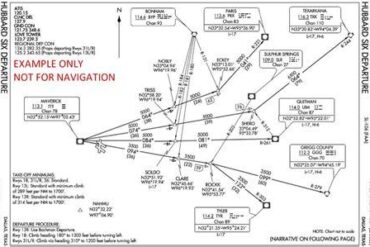
Other key details are the departure and arrival airports, the type of operation—like ETOPS, VFR, or ferry flights—and the planned route. This route is broken down into segments with waypoints, distances, and directions. The plan outlines expected cruising speeds and wind conditions, along with estimated times between waypoints.
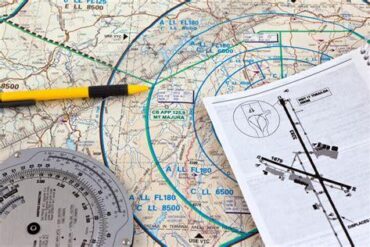
Altitude planning is another vital part of the OFP. It lists safe altitudes, minimum levels, and the planned cruising levels. Fuel planning is also central. It includes total fuel calculations, estimated fuel at each checkpoint, and data on fuel needed for alternate airports. If applicable, the OFP also includes fuel data for takeoff and en-route alternates, along with routes and safe altitudes to those points.
Some information that’s available in other documents or irrelevant to a specific flight may be left out of the OFP to keep things clear and focused.
How the OFP is Used in Flight
Once the flight begins, the OFP becomes an active tool for the flight crew. Pilots use it to log the actual off-block, takeoff, landing, and on-block times. They also mark the estimated and actual times overhead key waypoints and record in-flight fuel checks.
The OFP includes the amount of fuel on board when the engines are started, along with the original Air Traffic Services (ATS) flight plan clearance and any changes received mid-flight. If needed, in-flight recalculations and updated route planning are also logged. Relevant weather updates can be noted here too.
To support its effective use, the operator must clearly describe the OFP and its procedures in the Operations Manual. This ensures consistency and understanding across the flight team.