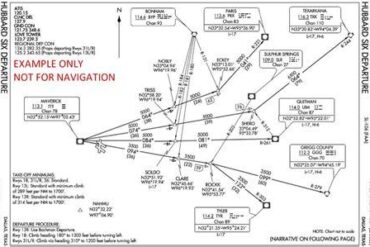
A flight plan is an important document that helps air traffic services manage flights safely. It provides key details about an aircraft’s intended journey. According to the International Civil Aviation Organization (ICAO), a flight plan must contain specific information that guides air traffic controllers.
There are two main types of flight plans: the ATC flight plan and the navigation flight plan. The ATC flight plan is submitted to air traffic control, while the navigation flight plan is created by the pilot using the operator’s guidelines. This plan is crucial for safe navigation during the flight.
Flight plans can be submitted in various ways. They can be written down, sent electronically, or even communicated verbally. However, certain flights require a plan to ensure safety and coordination. For example, flights needing air traffic control service, those under Instrument Flight Rules (IFR), or those crossing international borders must have a flight plan submitted before departure.
When submitting a flight plan, it must reach an air traffic services reporting office or be transmitted to the right air traffic unit during the flight. Some pilots may also use repetitive flight plans (RPLs) for regular routes.
Key details included in a flight plan are the aircraft identification, flight rules, type of flight, and estimated times. Other relevant information includes the cruising level, route, alternate aerodrome, and total number of passengers on board. This comprehensive information helps maintain safety and efficiency in the skies.