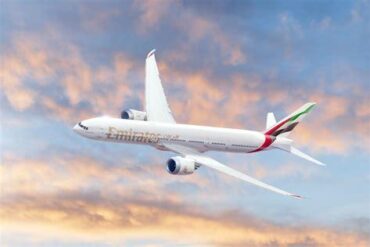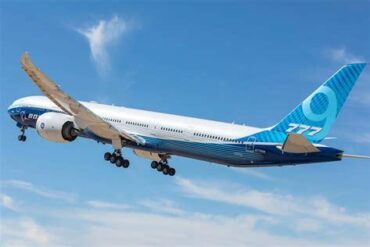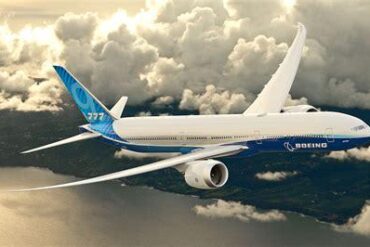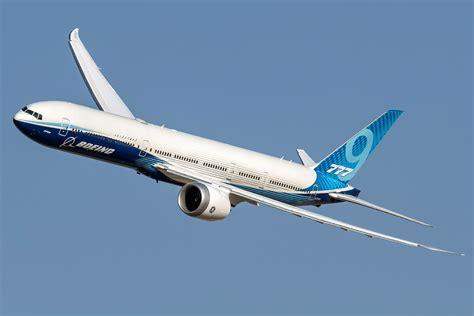
The long-delayed Boeing 777X program could soon see an unexpected development as United Airlines reportedly considers acquiring early-production aircraft originally built for Emirates but rejected by the Dubai-based carrier. The move would give United a potential shortcut into the 777X family while allowing Boeing to find a solution for several completed airframes that have remained parked for years.
The situation highlights the complicated challenges surrounding Boeing’s newest widebody aircraft. The 777-9, the largest member of the 777X family, was originally expected to enter airline service around 2020. However, certification delays, regulatory scrutiny, and extensive development challenges pushed the program far beyond its original schedule.
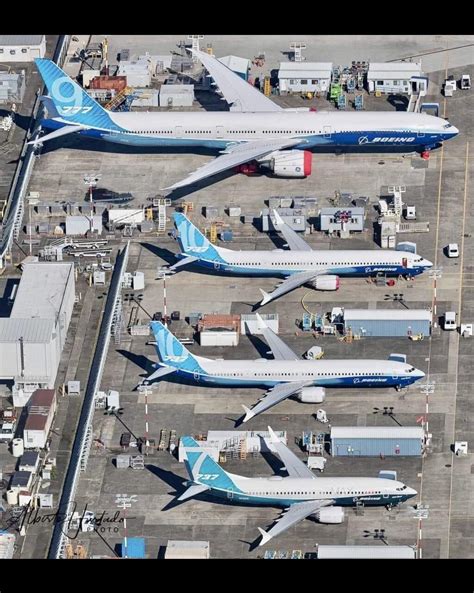
Emirates Rejects Early Boeing 777X Deliveries Over Rework Concerns
Emirates, the largest customer for the Boeing 777X, has maintained a firm position regarding the earliest aircraft produced for its fleet. The airline was expected to receive these aircraft as part of its long-term strategy to replace older high-capacity aircraft, including portions of its Airbus A380 fleet.
However, Emirates President Tim Clark has expressed strong concerns about accepting the first completed 777X airframes. According to reports, these aircraft would require significant modifications to meet current certification and operational standards after sitting unused for an extended period.
The airline believes the required rework would make the aircraft unsuitable for its fleet plans. Clark compared the situation to accepting an old product that requires too much effort to restore, emphasizing that Emirates maintains strict standards for aircraft condition before introducing them into commercial operations.
The rejection of these early aircraft has created a rare opportunity for another airline. Instead of waiting years for new production slots, a carrier could potentially acquire aircraft that are already built and closer to entering service.
Boeing 777X Delays Created a Fleet Opportunity for United
The origins of the problem date back to the significant delays affecting the 777X program. Boeing produced several aircraft ahead of certification, expecting the model to enter service quickly. However, the aftermath of the 737 MAX crisis changed Boeing’s certification environment dramatically.
The Federal Aviation Administration increased oversight of Boeing aircraft programs, leading to additional reviews and requirements. These regulatory changes contributed to further delays for the 777X, leaving early-built aircraft waiting for updated certification standards.
For Boeing, moving these aircraft has become an important challenge. Delivering them to another airline could reduce inventory pressure while strengthening relationships with major customers.
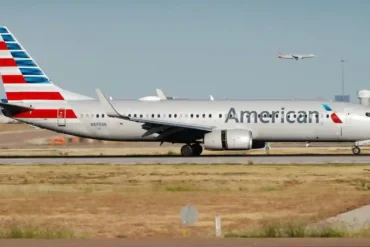
For United Airlines, the opportunity could represent a strategic fleet decision. The Chicago-based carrier operates an extensive Boeing widebody fleet, including the 777, 767, and 787 Dreamliner families. Adding the 777X would allow United to maintain fleet commonality while introducing a new-generation aircraft designed for long-range international operations.
United Airlines Could Become the First US 777X Operator
United has not yet placed an official order for the Boeing 777X, unlike several international carriers that have committed to the aircraft. If the airline purchases the rejected Emirates aircraft, it could become the first major US airline to operate the type.
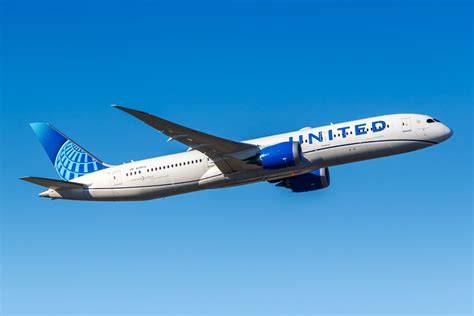
The decision would also mark a significant shift because US carriers have historically shown limited interest in aircraft of the 777X’s size. The aircraft is positioned as a successor to very large widebody jets such as the Boeing 747 and Airbus A380, models that are no longer operated by major American airlines.
United’s network strategy could determine whether the aircraft makes sense. The airline would need routes with sufficient international demand to justify the 777-9’s large capacity and operating economics. Potential markets could include major transatlantic, transpacific, and high-density global routes.
The aircraft could also provide United with additional leverage in negotiations with Boeing. Since the manufacturer is eager to place the early airframes, United may be able to secure favorable commercial terms.
A Possible Turning Point for Boeing and United
While no agreement has been confirmed, the possibility of United acquiring the first 777X aircraft demonstrates the unusual circumstances surrounding Boeing’s newest widebody program. A plane designed to represent the next generation of long-haul travel has instead become part of a complex negotiation involving certification delays, airline expectations, and fleet planning.
For Boeing, transferring these aircraft could help resolve a difficult production issue. For United, acquiring early-build 777X aircraft could provide a rare chance to introduce a flagship widebody model sooner than competitors.
The final decision will depend on aircraft condition, financial terms, certification progress, and whether United believes the 777X fits its future international growth strategy. If the deal moves forward, United could transform Emirates’ rejected aircraft into a milestone moment as the first US operator of Boeing’s newest long-range jet.