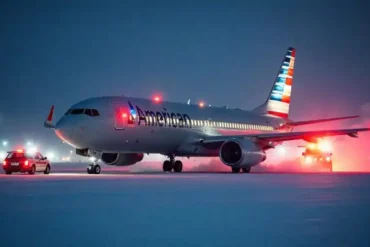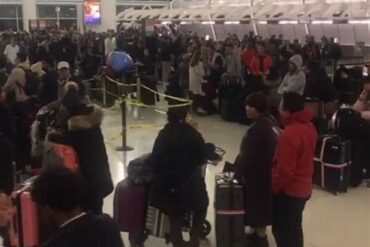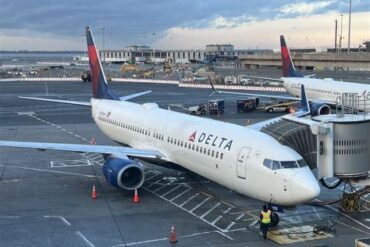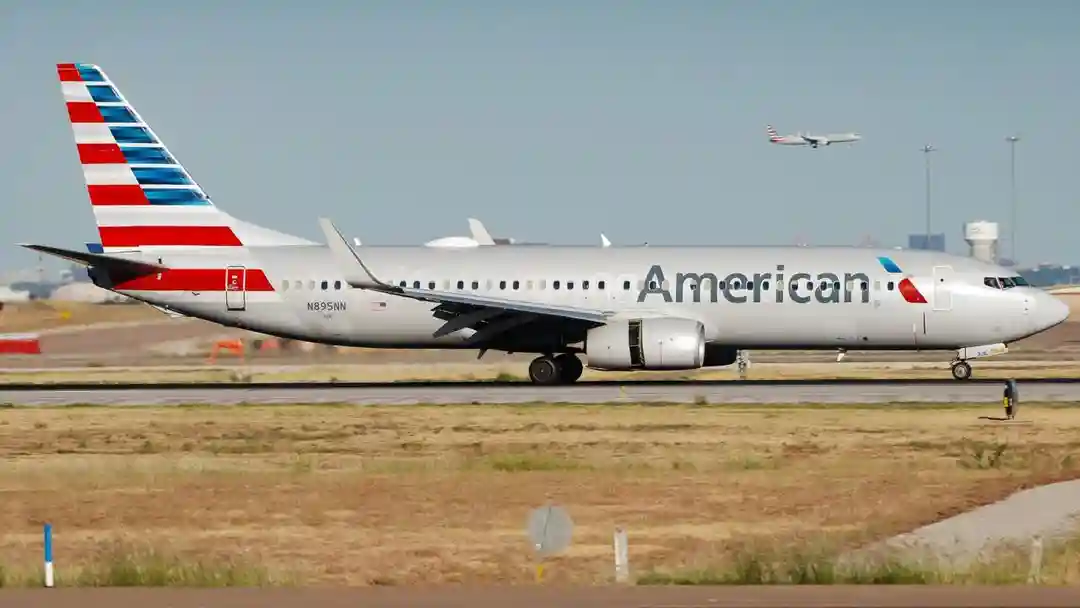
A group of American Airlines passengers has reportedly faced a lengthy disruption in St. Croix, U.S. Virgin Islands, after their aircraft was grounded because of a mechanical issue, leaving travelers waiting for a solution for nearly two days. Passenger Heidi Gould shared updates about the situation through an American Airlines complaint group on Facebook, describing what she called a frustrating experience with limited assistance and uncertainty over when passengers would be able to continue their journeys.
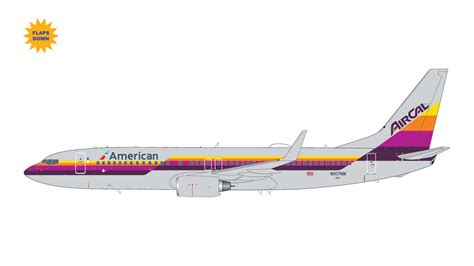
The aircraft involved was a Boeing 737-800, registration N917NN, featuring a distinctive Air Cal Heritage livery. According to flight tracking data from FlightAware, the aircraft remained on the ground after operating American Airlines Flight AA2755 from Miami International Airport (MIA) to Henry E. Rohlsen Airport (STX) on July 21. The reported problem involved the aircraft’s air conditioning system, which prevented the plane from returning to service.
Mechanical Failure Creates Challenges at a Remote Caribbean Airport
While the situation has been described by passengers as being “stranded,” there is no evidence that the incident represents a broader operational failure affecting American Airlines across its network. Instead, the difficulties appear to be linked to the unique challenges of operating from a smaller island airport with fewer available alternatives.
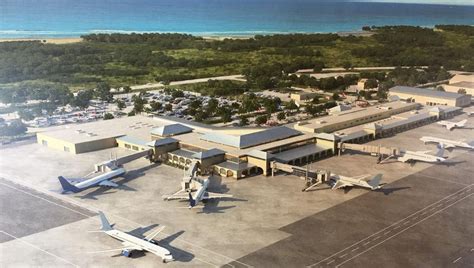
Unlike major hubs such as Miami International Airport, St. Croix has limited air traffic, fewer daily flights, and no large pool of spare aircraft available for immediate replacement. When an aircraft becomes unavailable at a remote destination, airlines cannot simply create additional seats or quickly move another airplane into position.
For passengers, the problem becomes more complicated because flights leaving the island are often heavily booked in advance. Even if another airline operates a route from St. Croix, available seats may be extremely limited. A delay of one aircraft can therefore create a chain reaction that affects dozens or even hundreds of travelers.
Gould stated that American Airlines had provided some compensation but criticized the level of support offered during the disruption. She described the assistance as “minimal to nonexistent,” claiming that the compensation did not cover the increasing costs of accommodation and daily expenses while passengers waited for updates.
Limited Resources Increase Passenger Frustration in St. Croix
The difficulties faced by travelers highlight the challenges of irregular operations in smaller destinations. St. Croix’s airport infrastructure and local resources are very different from those available at a major airline hub. Hotel capacity on the island is limited, and a sudden influx of delayed passengers can quickly put pressure on available rooms and transportation services.
Another challenge is that many airport services are handled by third-party contractors rather than airline employees. Local staff may have limited access to airline reservation systems and fewer options for arranging alternative travel compared with employees working at larger facilities.
In situations involving mechanical problems, airlines typically have responsibilities to assist affected passengers. However, the exact obligations can depend on the circumstances, including the cause of the disruption, available replacement flights, and whether passengers accept alternative travel arrangements.
The incident demonstrates how a routine aircraft maintenance problem can become a significant passenger experience issue when it occurs away from a major transportation hub.
Passenger Rights and Department of Transportation Protections
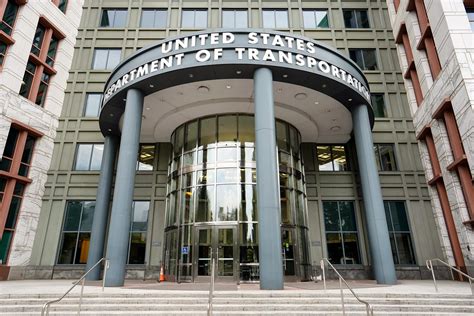
The U.S. Department of Transportation (DOT) has established passenger protection guidelines designed to help travelers understand when they may qualify for refunds or other forms of assistance. These rules are intended to provide greater transparency when airlines experience significant disruptions.
Passengers may be eligible for refunds in certain situations, including when they decline alternative transportation and experience major changes such as significant delays, airport changes, additional connections, disability-related service reductions, or class downgrades.
However, applying these protections can become complicated in remote locations. A passenger may technically have rights, but practical solutions can still be difficult when there are limited flights, scarce hotel rooms, and few transportation options.
A Reminder of the Challenges Facing Island Air Travel
The American Airlines disruption in St. Croix highlights the vulnerability of smaller aviation markets. For airlines, maintaining reliable service to remote destinations requires balancing aircraft availability, maintenance requirements, and limited infrastructure.
For passengers, the experience can be especially stressful because a mechanical issue that might cause only a short delay at a major hub can become a multi-day disruption on an island destination.
American Airlines has not publicly released detailed information about the repair timeline or the final resolution for all affected travelers. Without additional details, it remains unclear whether the delay resulted from maintenance complications, parts availability, scheduling limitations, or other operational factors.
The incident serves as a reminder that air travel reliability depends on more than just the aircraft itself. Airport infrastructure, local resources, flight frequency, and airline support systems all play critical roles when unexpected problems occur. For passengers caught in situations like this, communication and timely assistance often become just as important as getting the aircraft back into the sky.