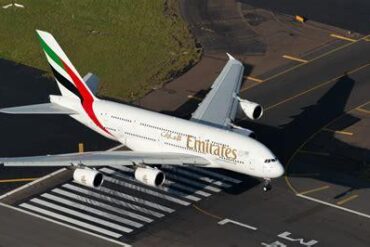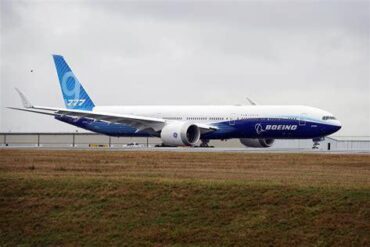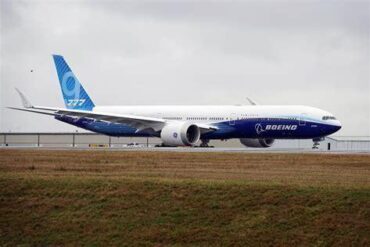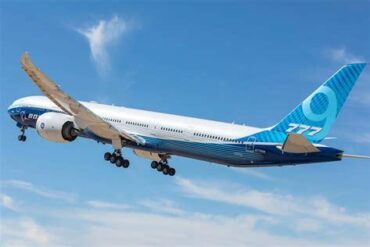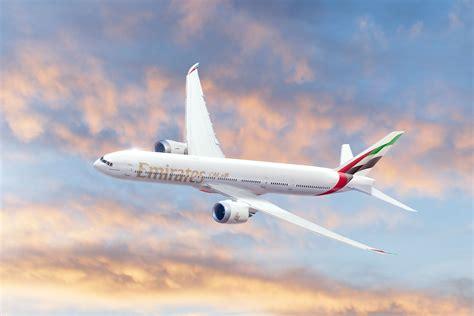
Emirates has confirmed that it will not accept the oldest Boeing 777X aircraft originally assigned to its fleet, marking another complication in the already delayed widebody program. The Dubai-based airline, which remains the largest customer for the 777X family, has decided that around 10 to 11 pre-built aircraft are no longer suitable because they would require extensive modernization before entering service.
The decision highlights the challenges created by years of delays surrounding the Boeing 777-9 certification program. Several aircraft were completed years ago but have remained parked while Boeing worked through development issues, testing requirements, and regulatory approvals. According to Emirates President Tim Clark, these jets have aged significantly while stored and would require substantial updates to meet current standards.
Emirates Rejects Older Boeing 777X Aircraft Over Upgrade Costs
Speaking at the 2026 Farnborough International Airshow, Tim Clark explained that Emirates would not take delivery of the oldest 777X jets because their configuration no longer reflects the latest requirements. The aircraft have been sitting for approximately eight years, meaning their systems, components, and airframe specifications would need major modifications.
Clark stated that the stored aircraft would require a “complete upgrade” to their modification status because considerable changes have occurred since they were originally manufactured. These updates would involve significant engineering work and additional expenses, making the aircraft less economically attractive compared with newer production models.
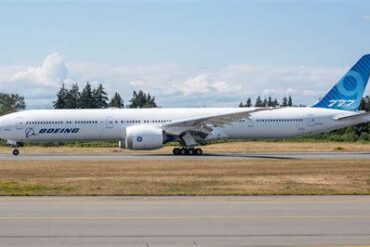
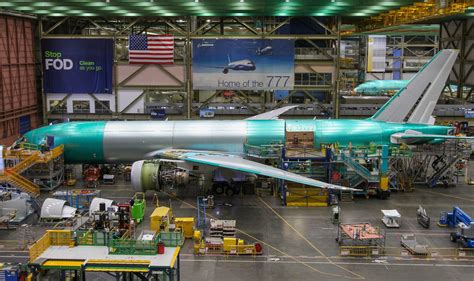
Some of the early-built 777X aircraft have remained parked at Boeing’s Renton facility, where they were completed but never delivered. Clark described seeing these aircraft sitting outside for years, already painted in Emirates’ colors but unable to enter commercial service.
Boeing has already chosen to dismantle at least one Emirates-bound Boeing 777-9 rather than invest in the expensive rework process. This decision reflects the difficult financial calculations involved in returning long-stored aircraft to modern production standards.
Boeing 777X Delays Push Emirates Deliveries Into 2027
The Emirates 777X situation is closely linked to the long development timeline of Boeing’s next-generation widebody aircraft. The airline originally expected to receive the aircraft years ago, with deliveries initially planned for 2020. However, certification delays, testing challenges, and regulatory scrutiny pushed the program significantly behind schedule.
The Federal Aviation Administration (FAA) is now expected to complete certification of the 777X program in early 2027, allowing Boeing to begin customer deliveries. Emirates anticipates receiving its first aircraft during the second quarter of 2027, although Tim Clark acknowledged that achieving this timeline remains challenging.
Clark described the Q2 2027 delivery target as a demanding goal, especially because Boeing is simultaneously managing certification work for other aircraft programs, including the 737 MAX 7 and 737 MAX 10.
Despite the prolonged delay, Emirates believes the program is approaching a breakthrough. Clark emphasized that further delays would benefit neither Boeing nor airline customers, noting that the 777X has undergone an extensive testing process during its development.
Emirates Maintains Massive Boeing 777X Commitment
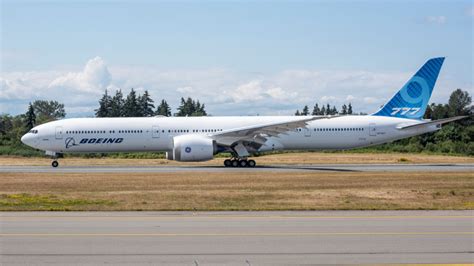
Although Emirates has rejected the oldest stored aircraft, the airline’s commitment to the 777X program remains extremely strong. The carrier continues to hold one of the largest commercial aircraft orders in aviation history, with 270 Boeing 777X aircraft currently on order.
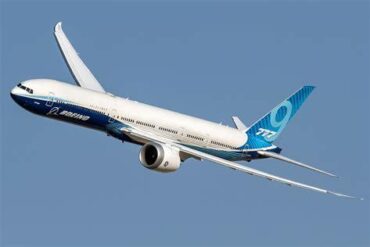
The majority of Emirates’ commitment consists of the larger Boeing 777-9, with 235 units ordered. The airline has also committed to 35 examples of the smaller 777-8, while continuing discussions about potential future variants, including the possible 777-10.
Emirates’ order represents a significant portion of total passenger 777X commitments worldwide. With hundreds of aircraft ordered globally, the success of the program is closely connected to the expectations of major international airlines that require efficient long-range aircraft.
For Emirates, the 777X is expected to become a key replacement for older widebody aircraft and support future network growth. The aircraft’s larger capacity, improved fuel efficiency, and extended range fit the airline’s long-haul business model, which relies heavily on connecting global markets through Dubai.
Boeing Faces Pressure to Deliver a Successful 777X Program
The rejection of the oldest aircraft demonstrates the financial consequences of extended aircraft development delays. While storing completed aircraft can preserve production progress, long periods without delivery can create additional costs related to maintenance, technology updates, and configuration changes.
For Boeing, the challenge is not only completing certification but also ensuring that early production aircraft and future deliveries meet customer expectations. Airlines ordering the 777X expect a modern aircraft with updated systems and operational advantages over previous-generation widebody jets.
Emirates’ decision does not represent a withdrawal from the program. Instead, it reflects the airline’s demand for aircraft that match its operational requirements and long-term fleet strategy.
As Boeing moves closer to certification, the first Emirates 777X deliveries will represent a major milestone for both companies. After years of delays, the arrival of the aircraft could mark the beginning of a new chapter for one of the world’s most anticipated commercial aviation programs.