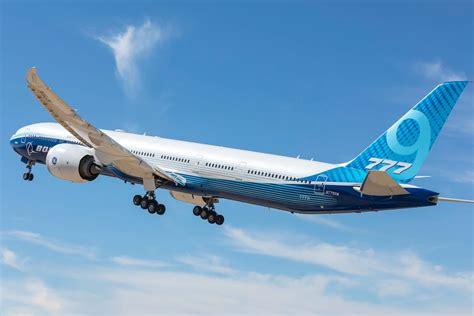
Boeing’s long-delayed 777X program is entering a new phase of turbulence as several airlines push back against accepting early-build aircraft that have spent years in storage awaiting certification updates and engineering modifications. What was once promoted as Boeing’s next-generation flagship widebody is now facing comparisons to one of the manufacturer’s most painful commercial aviation episodes: the infamous 787 “Terrible Teens.”
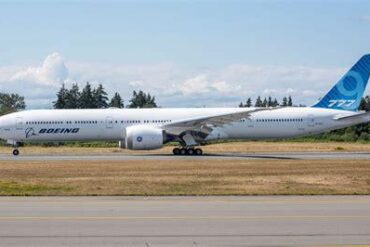
The crisis centers around more than 30 already-built 777X aircraft sitting in inventory while Boeing continues certification work and incorporates years of design changes into the airframes. Airlines are increasingly worried that these jets, assembled long before final certification standards were settled, may carry hidden long-term maintenance risks, reduced resale values, and costly operational complications.
The issue is especially sensitive because the 777X was originally expected to enter service in 2020. Instead, Boeing now expects first deliveries in 2027, creating a seven-year delay that has transformed early production aircraft into aging assets before they even carry paying passengers.
The longer these aircraft remain parked, the more complicated the recovery process becomes for Boeing.
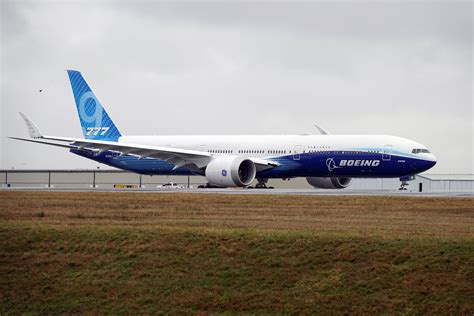
Airlines Fear A Repeat Of Boeing’s 787 “Terrible Teens”
The aviation industry still remembers Boeing’s struggle with the earliest production 787 Dreamliners, a group of aircraft later nicknamed the “Terrible Teens.” Those jets were built during a chaotic development period marked by manufacturing flaws, incomplete engineering standards, and repeated redesigns. Airlines eventually became reluctant to accept many of the aircraft because of concerns surrounding structural modifications and long-term reliability.
Some of those early 787s were sold at deep discounts. Others struggled to find buyers entirely. One aircraft accumulated barely a handful of flight hours before eventually being dismantled for parts.
Now, airlines fear the 777X inventory aircraft could follow the same path.
According to industry reports, Emirates — the largest 777X customer by a massive margin — has already made clear that it does not want inventory aircraft requiring extensive rework. Emirates President Sir Tim Clark has repeatedly voiced concern about the complexity of modifications necessary to bring stored jets up to final production standards.
Another unidentified airline has reportedly also refused delivery positions tied to inventory aircraft, while additional customers have privately expressed discomfort over accepting jets that have sat idle for years.
That hesitation creates a dangerous commercial problem for Boeing. The company may have technically built the aircraft, but until airlines accept delivery, those jets remain costly unfinished assets consuming storage space, labor, and capital.
Boeing’s “Shadow Factory” Strategy Returns
To handle the enormous modification workload, Boeing is reportedly reviving a strategy previously used during the 787 and 737 MAX crises: the creation of specialized “shadow factories” dedicated to repair and rework operations.
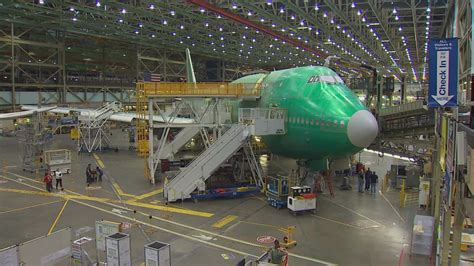
One major location will reportedly occupy a former 747 final assembly area in Everett, Washington. The massive facility once used to assemble the iconic jumbo jet is now being repurposed to perform change incorporation work on the 777X fleet.
The phrase “change incorporation” sounds relatively harmless, but in practice it can involve substantial engineering modifications. Wiring systems, fuselage structures, software updates, interior components, and certification-driven design changes may all require adjustment before the aircraft are considered ready for airline service.
Boeing CEO Kelly Ortberg acknowledged during the company’s Q1 2026 earnings discussion that the process will take “years” to complete.
That timeline presents another complication. Every additional year in storage increases preservation costs while simultaneously aging the aircraft commercially before delivery even begins.
Lufthansa’s Aircraft Will Likely Bypass The Inventory Queue
The first operational 777X deliveries are now expected to come from newly built production aircraft rather than the stored inventory fleet. Lufthansa, the launch customer for the program, is expected to receive aircraft designated as fresh-production units assembled closer to final certification standards.
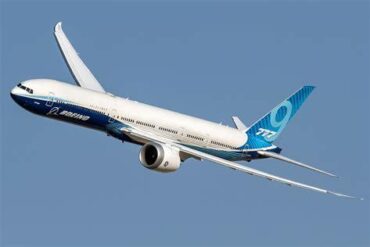
The first production 777-9, known internally as MSN 1781, recently completed a test flight with a fully installed passenger cabin. Boeing continues conducting additional certification and validation flights ahead of the aircraft’s anticipated entry into service in early 2027.
This approach effectively allows Boeing to prioritize cleaner, more marketable aircraft for launch customers while the older inventory fleet waits for lengthy modifications behind the scenes.
For airlines, that distinction matters enormously.
A newly built aircraft carries fewer unknowns, cleaner maintenance records, and stronger residual value expectations. An inventory aircraft that has undergone years of retrofits and engineering revisions may become harder to finance, lease, or resell later in its operational life.
Emirates Remains The Program’s Critical Lifeline
Despite mounting challenges, the 777X program still retains significant commercial support. Boeing has accumulated more than 600 firm orders for the aircraft family, including a recent 28-aircraft commitment placed earlier this year.
But the reality remains unavoidable: Emirates is the backbone of the entire program.
The Dubai-based carrier alone holds orders for 270 aircraft after dramatically expanding its commitment during the Dubai Airshow 2025. Qatar Airways follows with 124 aircraft on order, while major customers also include Singapore Airlines, Cathay Pacific, Korean Air, Lufthansa, and Etihad Airways.
The continued confidence from Gulf carriers is particularly important because the 777X was designed largely around their business model — ultra-high-capacity, long-haul operations connecting global hub airports.
Airlines still view the aircraft as a potentially transformative widebody thanks to its fuel efficiency, extended range, folding wingtips, and large passenger capacity. Many carriers plan to use the jet as a replacement for aging Boeing 777-300ERs and older four-engine aircraft.
Yet Boeing now faces a difficult balancing act. The manufacturer must simultaneously certify the aircraft, launch production deliveries, and solve the growing inventory problem without repeating the financial damage caused by the 787’s early production failures.
The industry has seen this story before. Boeing’s challenge now is proving the 777X does not become the Dreamliner crisis all over again — only larger, heavier, and far more expensive.