Choosing the right seat on an aircraft is not a trivial decision—it is the difference between arriving refreshed or restless. On Alaska Airlines, where the Boeing 737 family dominates operations, seat selection becomes even more strategic. Despite seemingly uniform cabins, subtle configuration differences across variants like the Boeing 737-700, Boeing 737 MAX 8, and Boeing 737 MAX 9 dramatically influence legroom, recline, and overall comfort.
In 2026, with Alaska Airlines expanding its network and modernizing interiors, understanding these nuances is essential. Whether flying short hops or transcontinental routes, the “best seat” is no longer just about proximity to the front—it is about geometry, spacing, and cabin design strategy.
Why Seat Selection Matters More in 2026
Alaska Airlines is evolving fast. With over 140 destinations and a growing global presence, its fleet is a blend of legacy configurations and updated interiors. That means passengers can encounter different seat maps on aircraft that look nearly identical from the outside.
The implications are significant. Some aircraft feature exit rows with no seat in front, creating unmatched legroom in economy. Others introduce expanded premium cabins, subtly shifting where the best economy seats are located. Meanwhile, certain rows—often overlooked—can completely ruin a flight due to restricted recline or proximity to high-traffic areas.
The smart traveler in 2026 doesn’t just book a flight—they decode the aircraft layout before selecting a seat.
Best First Class Seats: Where Comfort Meets Strategy
First Class on Alaska’s 737 fleet is consistent in layout but not identical in experience. Across most variants, the cabin is arranged in a 2-2 configuration, offering a spacious and private environment compared to economy.
The best seats are typically found in rows 2 and 3, rather than row 1. While row 1 offers the novelty of being at the very front, it comes with trade-offs—limited under-seat storage during takeoff and landing and proximity to the galley, which can introduce noise.
Seats in row 2 strike the ideal balance. They provide:
- Full recline without obstruction
- Quieter surroundings
- Faster service after takeoff
In retrofitted aircraft like the updated Boeing 737-800 and MAX variants, the expanded First Class cabin adds more seats, but the golden rule remains unchanged: avoid the bulkhead unless you value legroom over convenience.
Premium Class Sweet Spots: Maximum Value Per Dollar
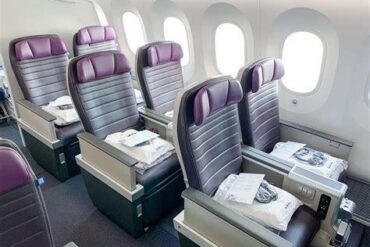
Premium Class is where Alaska Airlines quietly excels. Positioned between First Class and economy, it offers extra legroom without the full price jump. However, not all Premium Class seats are equal.
The best seats are generally in the front rows of the Premium cabin (rows 6–8 or 6–9 depending on aircraft). These seats provide:
- More consistent recline
- Distance from lavatories and galley traffic
- Quicker boarding and deplaning advantages
The rear rows of Premium Class, while still comfortable, often sit closer to the main cabin divider, where foot traffic increases. It’s a subtle downgrade—but one frequent flyers immediately notice.
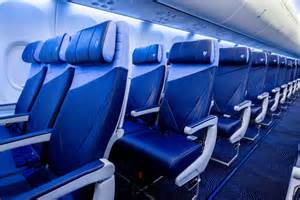
Economy Class Mastery: Finding Hidden Gems
Economy is where seat selection matters most—and where savvy travelers can extract exceptional value. Alaska Airlines’ 737 fleet hides some surprisingly excellent seats, but they require precision to secure.
Across most configurations, the exit rows dominate as the best economy seats. However, not all exit rows are created equal. The true gems are the window seats without a seat directly in front, offering unmatched legroom and an open feel rarely found in coach.
Top Economy Picks by Aircraft Type
Boeing 737-700: Compact but Strategic
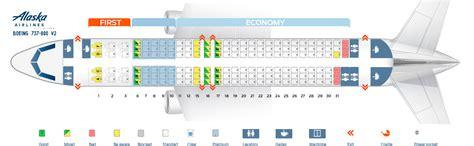
On the Boeing 737-700, the standout seats are 17A and 17F. These are not just exit row seats—they are structurally unique, with no seat ahead, creating a pseudo-business-class legroom experience.
This configuration turns these seats into the best value proposition on the aircraft. Even compared to Premium Class, they often feel more spacious due to the absence of visual obstruction.
Rows 6–8 also perform well, offering extra legroom without the restrictions of exit row responsibilities.
However, rows 15 and 16 are clear avoid zones. Positioned directly in front of the exit row, these seats do not recline, making them uncomfortable on longer flights.
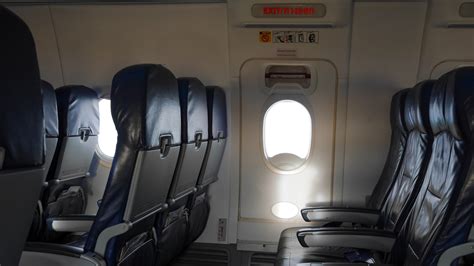
Boeing 737-800 & MAX 8 (Pre-Retrofit): Classic Advantage
In pre-retrofit layouts, the Boeing 737 MAX 8 and 737-800 share similar seat dynamics. Row 17 is the prime target, offering:
- Expanded legroom
- Balanced cabin positioning
- Reduced congestion compared to forward rows
Rows 6–10 also provide strong alternatives for passengers seeking comfort without exit row restrictions.
Again, rows 15 and 16 should be avoided due to non-reclining seats. These rows represent one of the most common booking mistakes—seemingly normal seats that quietly remove one of economy’s few comfort features.
Boeing 737-800 & MAX 8 (Post-Retrofit): A Subtle Shift
With retrofitted cabins, Alaska Airlines introduced changes that slightly alter seat desirability. The best economy seats shift to 18A and 18F, maintaining the same advantage: no seat directly in front.
However, the penalty zone expands. Rows 15, 16, and 17 now lack recline, making seat selection even more critical.
This configuration rewards those who study seat maps carefully—and punishes those who don’t.
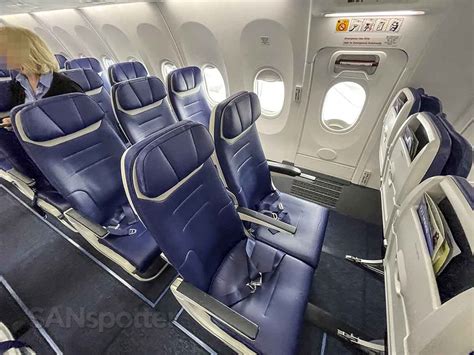
Boeing 737-900, 900ER & MAX 9: Consistency at Scale
On larger aircraft like the Boeing 737-900ER and MAX 9, Alaska standardizes the layout. This consistency simplifies seat selection.
Row 17 remains the best economy choice, offering the most legroom. Rows 6–9 are also strong, particularly for passengers prioritizing quicker boarding and deplaning.
However, the aircraft’s longer fuselage introduces a new factor: time. Sitting further back can significantly delay deplaning, especially on full flights. For travelers with tight connections, forward seating becomes a tactical advantage.
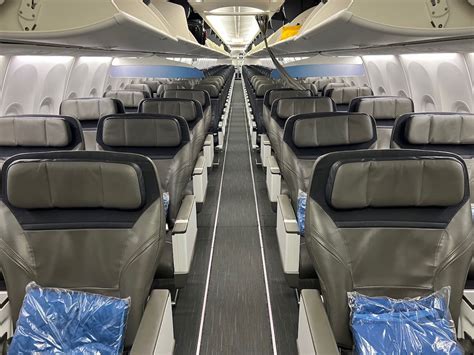
Seats to Avoid: The Hidden Pitfalls
Even the best aircraft can have bad seats. On Alaska’s 737 fleet, the most problematic seats share a common trait: restricted recline.
Rows immediately in front of exit rows—typically 15, 16, and sometimes 17—are the primary offenders. These seats:
- Do not recline
- Feel more upright than standard economy
- Become increasingly uncomfortable on longer flights
Additionally, seats near lavatories or galleys should be approached cautiously. While not always problematic, they can introduce noise, odor, and constant foot traffic, especially during longer flights.
Window vs Aisle: The Strategic Trade-Off
Choosing between a window and aisle seat is no longer just about preference—it is about how you plan to experience the flight.
Window seats, particularly in exit rows, offer:
- Superior privacy
- Structural advantages (like missing seats ahead)
- A wall to lean against for rest
Aisle seats, on the other hand, provide:
- Freedom of movement
- Easier access to overhead bins
- Convenience on longer flights
For Alaska’s 737 configurations, the best compromise often lies in exit row window seats, where you gain both space and comfort—without sacrificing too much accessibility.
Deplaning Strategy: The Overlooked Factor
One of the most underrated aspects of seat selection is how quickly you can leave the aircraft. On longer 737 variants, the difference between sitting in row 7 and row 27 can be several minutes, which matters more than most travelers expect.
Frequent flyers often prioritize:
- Forward rows in Premium or economy
- Seats on the left side (closer to boarding doors in many airports)
- Avoiding rear cabin bottlenecks
This is especially relevant for business travelers or those with tight connections, where every minute counts.
Final Verdict: The Smart Traveler’s Playbook
The best seats on Alaska Airlines’ Boeing 737 fleet in 2026 are not defined by class alone—they are defined by specific rows and structural advantages.
The winning strategy is clear:
- First Class: Choose row 2 for optimal comfort and quiet
- Premium Class: Target the front rows for balance and convenience
- Economy: Secure exit row window seats with no seat in front (17A/F or 18A/F depending on aircraft)
Avoid non-reclining rows at all costs, and always consider how aircraft configuration impacts your journey—not just where you sit, but how you experience the entire flight.
In a fleet built around consistency yet filled with subtle differences, the edge belongs to those who pay attention.