China’s drone industry has rapidly evolved into a global force, reshaping both civilian and military landscapes. With pioneering technologies and aggressive market expansion, Chinese drones are now synonymous with innovation, affordability, and scalability, influencing sectors from agriculture to national defense. This article explores the multifaceted growth of Chinese drones, their technological breakthroughs, and their impact on the global stage.
Civilian Drone Industry: Precision, Scale, and Innovation
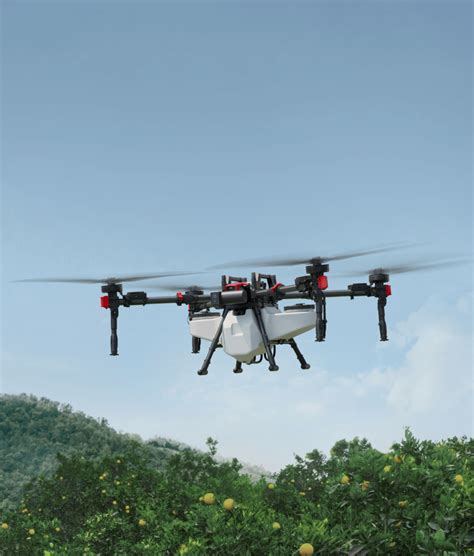
The Chinese civilian drone sector has witnessed exponential growth over the past decade, driven by cutting-edge engineering and vast market demand. Agricultural applications are a prime example of China’s dominance. The XAIRCRAFT P30, introduced in 2018, revolutionized precision agriculture by offering automated pesticide spraying, night operation capabilities, and corrosion-resistant designs. This innovation has drastically cut labor costs and boosted crop yields, marking a turning point in rural modernization.
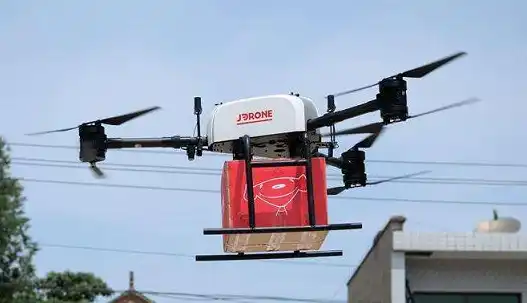
In the logistics sector, Chinese firms have pushed boundaries with high-capacity drones. The JDY-800, developed by JD.com, stands out with its ability to transport up to 840 kg over 1,000 kilometers, forming a critical link in China’s “smart logistics network.” This drone has not only streamlined delivery processes in remote areas but also set a new standard for autonomous cargo transport.
Environmental protection is another field where Chinese drones shine. Large-scale projects, such as the desertification control in the Kubuqi Desert, showcase drones’ potential in ecological restoration. By 2025, drones are projected to reduce labor costs by 70% and improve efficiency by 300–400% compared to manual methods. In firefighting, specialized drones now operate in extreme environments, enduring temperatures from -40°C to 125°C and resisting high wind speeds, enabling rapid response during natural disasters.
China’s market leadership is undisputed. DJI, headquartered in Shenzhen, accounts for an astonishing 70% of global consumer drone sales, cementing China’s dominance in both production and innovation. In 2023 alone, the country’s civilian drone output surpassed 600 billion yuan, with exports covering 90% of worldwide consumer drone demand.

Military and Strategic Drones: A New Era of Warfare
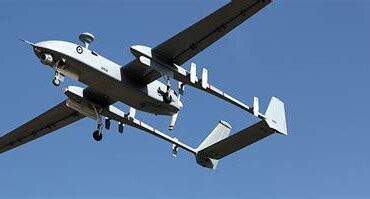
Chinese military drones have emerged as formidable assets, rivaling Western counterparts in both performance and cost-effectiveness. The Wing Loong series, particularly the Wing Loong-3, introduced in 2022, exemplifies this advancement. With a 10,000 km range and multi-role capabilities—including reconnaissance, strike missions, and electronic warfare—this UAV sets a new benchmark for endurance and modularity. Its quick-assembly modules allow swift adaptation to diverse mission requirements, making it a versatile tool in modern combat.
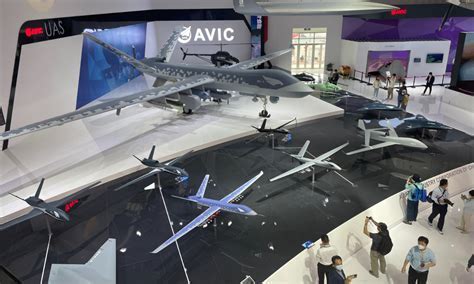
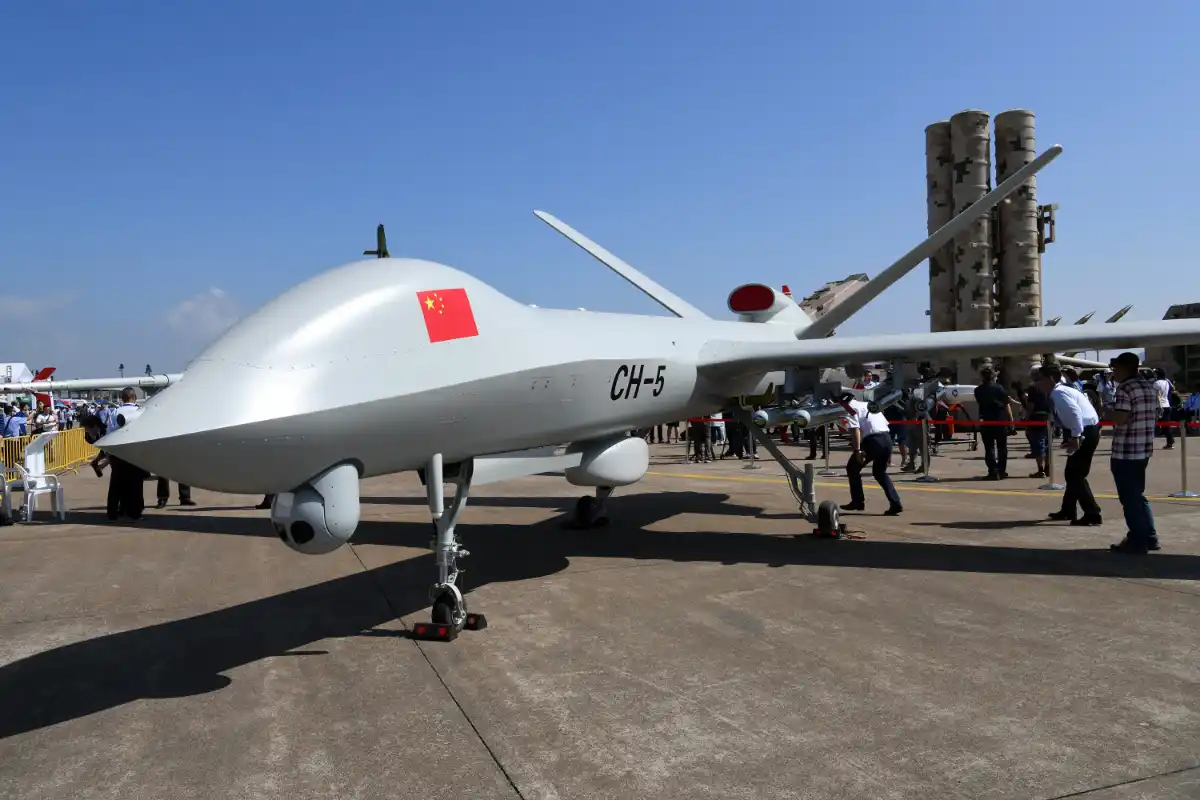
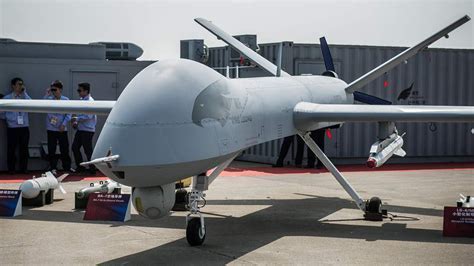
The Rainbow series (彩虹) adds further depth to China’s military UAV portfolio. The CH-5, often compared to the U.S. MQ-9 Reaper, offers a cost-effective solution despite trailing slightly in engine performance. The Rainbow-7, unveiled in 2018, marks China’s foray into high-altitude, high-speed stealth drones, reflecting ambitions to achieve aerial superiority.
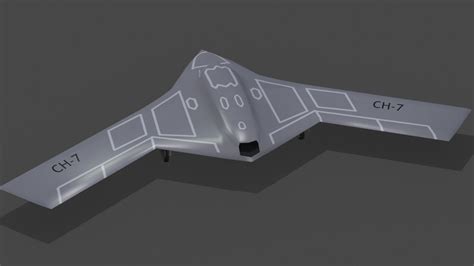
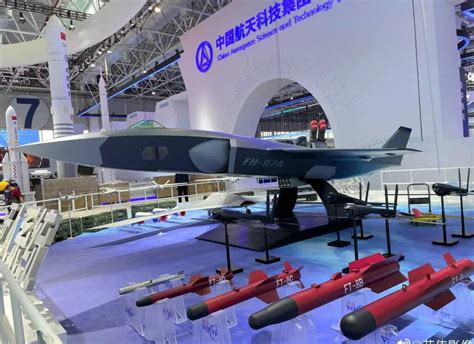
Perhaps the most futuristic is the FH-97, introduced in 2021. This stealth combat drone boasts swarming capabilities, deploying up to 12 smaller drones for coordinated attacks—pushing the boundaries of AI-driven autonomous warfare.
China’s aggressive export strategy has solidified its global footprint. Between 2008 and 2017, China exported 88 military drones to 11 countries, including Pakistan, Egypt, and Saudi Arabia, surpassing traditional UAV suppliers like the U.S. and Israel in sales volume.
Technological Innovations: AI, Energy, and Sensing Excellence
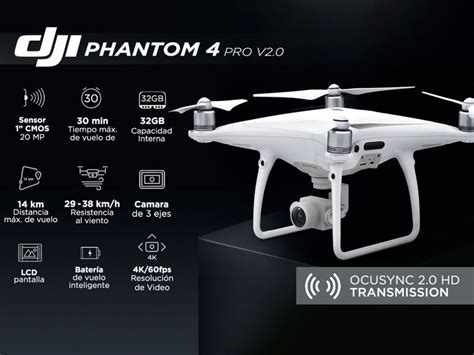
Innovation remains the cornerstone of China’s drone success. Autonomy and artificial intelligence are at the forefront, with drones like the DJI Phantom 4 integrating advanced sensors for obstacle avoidance and autonomous flight capabilities. Swarm technology, once the realm of science fiction, has become a practical reality, enabling drones to coordinate seamlessly in complex environments.
Energy efficiency is another critical area of progress. High-capacity batteries now enable agricultural drones to achieve endurance of up to 60 hours, while solar-powered prototypes promise longer missions with minimal environmental impact. These advancements extend drones’ operational reach, making them indispensable across industries.
Optical and sensing technologies have also evolved rapidly. Modern Chinese drones are equipped with infrared cameras, thermal imaging systems, and laser rangefinders, offering enhanced situational awareness for both civilian and military applications. The emphasis on modular design—seen in models like the WJ-700 and the Wing Loong-3—further enhances flexibility, allowing operators to quickly swap payloads to suit mission-specific needs.
Global Market Dominance: Triumphs and Trials
China’s stranglehold on the drone market is both impressive and instructive. As of 2023, the country produces 70% of the world’s civilian drones, with DJI alone reporting $16 billion in annual sales, 80% of which are exported. This dominance has made Chinese drones a staple across various sectors globally.
However, challenges persist. U.S. security concerns over data privacy prompted DJI to introduce a “Government Edition”—a specialized model designed with localized data storage to alleviate fears of foreign surveillance. Additionally, despite remarkable progress, China still faces hurdles in high-performance engine development and advanced AI systems, areas where Western firms maintain a technological edge.
Future Prospects: Low-Altitude Economy and Strategic Vision
Looking ahead, China is poised to lead in the emerging low-altitude economy, integrating drones into urban air mobility, disaster relief, and rural employment initiatives by 2025. Government policy strongly supports these ambitions, with lawmakers emphasizing the need for enhanced R&D in navigation systems, advanced chips, and swarm coordination technologies.
This strategic foresight ensures that China will remain at the forefront of drone innovation. From desert reclamation projects to next-generation combat UAVs, Chinese drones embody a potent mix of industrial strength, strategic vision, and technological ingenuity.
Conclusion
China’s drone industry has redefined global expectations, offering a blueprint for scalable, affordable, and cutting-edge UAV technology. Its success in both civilian and military domains underscores a deep commitment to innovation and international influence. While challenges remain—particularly in engine technology and data security—China’s trajectory is undeniably upward, marking it as a dominant force in the evolving landscape of drone technology.