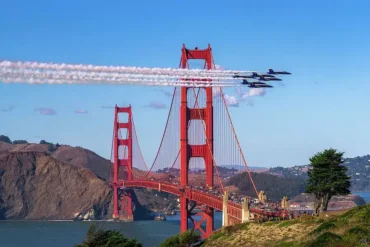
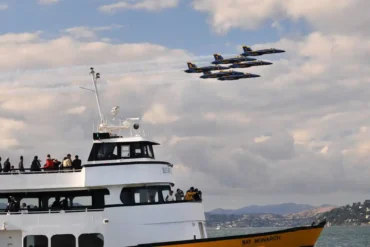
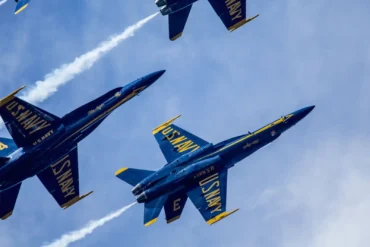
The U.S. Navy Blue Angels are an elite flight demonstration squadron renowned for their breathtaking aerial performances. Their formations, executed with near-perfect precision, showcase the pinnacle of aviation skill and coordination. Each maneuver has a designated name, reflecting its shape, complexity, and purpose in the airshow.
This guide explores the key Blue Angels formations, their roles, and the incredible discipline required to execute them flawlessly.
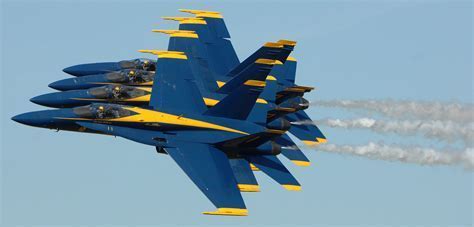
The Signature Formations of the Blue Angels
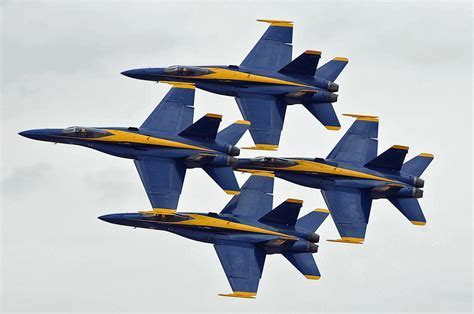
Diamond Formation: The Core of Precision Flying
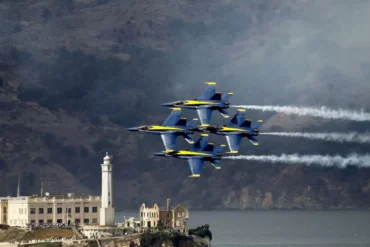
The Diamond Formation is the foundation of the Blue Angels’ aerial displays. This signature formation consists of four jets flying in an incredibly tight diamond shape, often with as little as 18 inches separating each aircraft. The precision required for this maneuver is unmatched, with pilots maintaining perfect alignment at speeds exceeding 400 miles per hour.
Formation Structure:
- Lead (1): The commanding aircraft setting the formation’s pace.
- Left Wing (2): Positioned to the left of the lead jet.
- Right Wing (3): Mirrors the left wing’s movements on the right.
- Slot (4): Positioned directly behind the lead, ensuring stability.
This formation is a testament to teamwork and trust, as pilots rely on peripheral vision and experience rather than instruments to maintain position.
Delta Formation: The Ultimate Six-Jet Spectacle
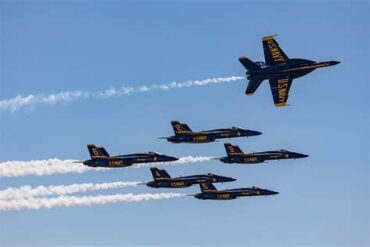
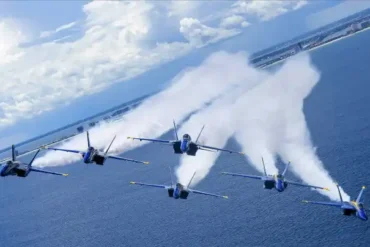
The Delta Formation is a larger, more symmetrical aerial arrangement featuring all six Blue Angels jets. This formation resembles the Greek letter Δ (Delta) and is often used during dramatic high-speed passes and formation changes.
Formation Layout:
- The four Diamond Formation jets serve as the foundation.
- Solo Jets (5 & 6) extend outward, creating a triangular shape.
The Delta Formation is one of the most visually striking formations, frequently used in both opening and closing segments of a show. It requires absolute synchronization, as the six aircraft move as a single unit, even during sharp turns and dynamic transitions.
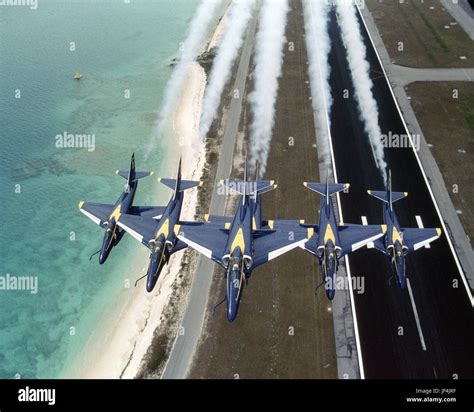
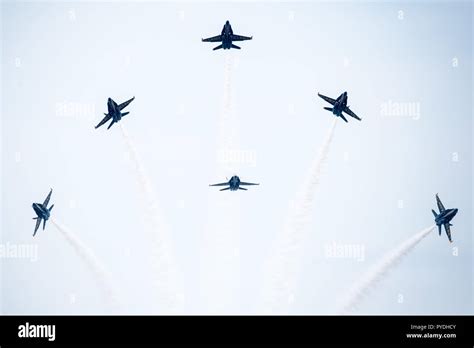
Fleur-de-Lis: The Grand Finale Formation
The Fleur-de-Lis Formation is a complex, flower-like maneuver often performed during the climactic moments of a Blue Angels demonstration. This intricate pattern showcases the pilots’ ability to execute fluid, multi-jet configurations while maintaining a strikingly elegant appearance in the sky.
This maneuver demands not only technical excellence but also flawless communication, as pilots coordinate their paths to create the distinctive three-lobed design.
Echelon Formation: A Tactical Staggered Line
The Echelon Formation is a diagonal line arrangement where jets fly at an angle rather than in a straight row. This formation is frequently used during transitions between maneuvers or when preparing for synchronized formation changes.
Variations of the Echelon Formation:
- Left Echelon: Jets staggered diagonally to the left of the lead.
- Right Echelon: Jets staggered diagonally to the right of the lead.
The Echelon Formation is both aesthetically impressive and tactically significant, demonstrating the pilots’ ability to adapt positioning mid-flight.
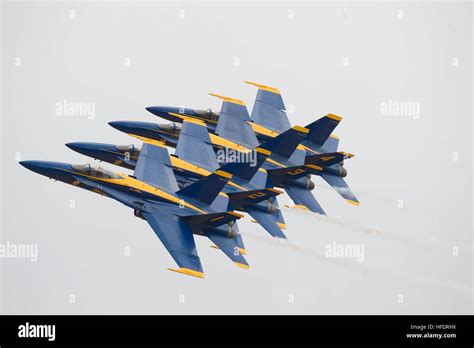
Parade Formation: The Classic Straight-Line Display
The Parade Formation features all six Blue Angels jets in a perfectly level line, flying parallel to the ground. This formation is often seen during the opening and closing flyovers, providing an iconic visual of precision and unity.
This formation requires extreme discipline, as pilots must match speed, altitude, and trajectory with absolute accuracy. Any deviation could disrupt the uniformity of the display.
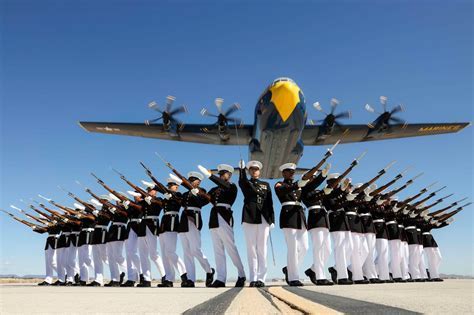
Solo Performances: High-Speed Thrills
Beyond the team formations, the Blue Angels’ solo pilots (jets 5 and 6) execute some of the most daring and high-energy maneuvers in the show. These solo acts add excitement and variety, contrasting with the tight, structured formations.
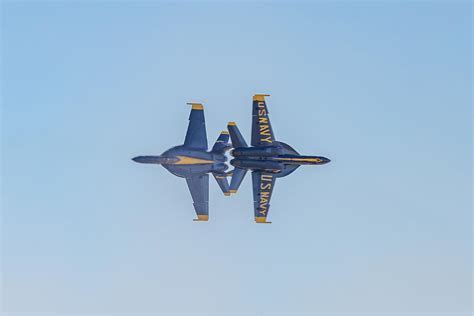
Opposing Solos: A Heart-Stopping Cross Pass
The Opposing Solos maneuver involves jets 5 and 6 flying directly toward each other at extreme speeds before executing a near-miss crossover at the last moment. This maneuver highlights the precision of the Blue Angels pilots, who rely on split-second timing to create an electrifying spectacle.
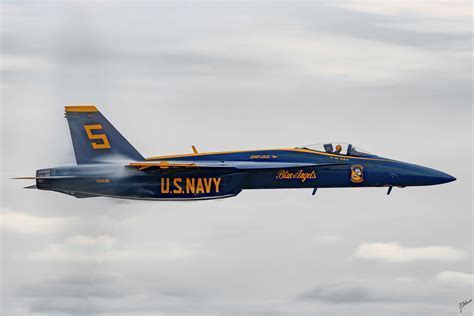
Sneak Pass: The Surprise Low-Altitude Streak
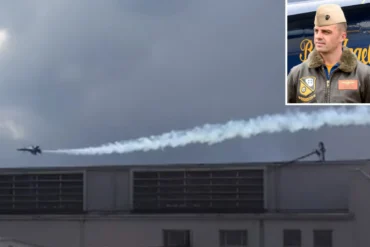
The Sneak Pass is a deceptive maneuver designed to surprise spectators. As the audience’s attention focuses on one formation, a solo jet suddenly flies by at high speed and low altitude from another direction.
This maneuver not only showcases the jet’s speed and agility but also emphasizes the strategic misdirection used in aerial demonstrations.
Vertical Break: The Sky-Soaring Climb
The Vertical Break is a dramatic maneuver where jets climb steeply into the sky before splitting off in different directions. This display of aerial power and agility is often used as a transition into new formations or as part of the finale sequence.
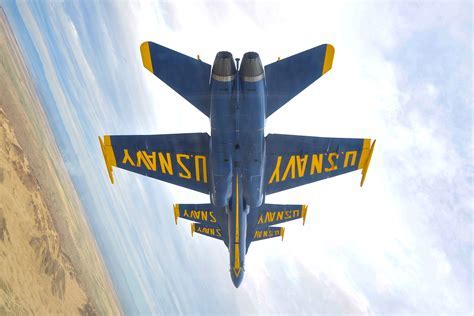
Team Structure: The Role of Each Jet
Each Blue Angels pilot has a specific role, ensuring seamless execution of every maneuver.
- Diamond Jets (1-4): The core formation pilots, responsible for maintaining tight formation flying.
- Solo Jets (5-6): Perform high-energy, dynamic maneuvers to add variety and thrill to the show.
Each pilot undergoes rigorous training and selection, with only the most skilled naval aviators earning a spot on the team.
Frequently Asked Questions (FAQ)
1. How close do the Blue Angels fly to each other?
The Blue Angels fly as close as 18 inches apart during formations like the Diamond Formation. This extreme proximity requires unparalleled precision and concentration.
2. How fast do Blue Angels jets travel during performances?
Blue Angels aircraft can reach speeds of 700 mph during high-speed passes, though they typically perform at speeds between 400-500 mph in formation flying.
3. What type of aircraft do the Blue Angels use?
The Blue Angels currently fly the F/A-18 Super Hornet, a powerful fighter jet known for its speed, agility, and advanced avionics.
The Blue Angels’ formations represent the pinnacle of aerial precision and teamwork, captivating audiences worldwide with their flawless execution and high-speed maneuvers. These formations not only display aviation excellence but also honor the heritage and skill of naval aviators throughout history.