Few names in aviation evoke the same level of reliability and innovation as Cessna, a brand synonymous with rugged utility, efficient design, and widespread accessibility. While best known for its single-engine workhorses like the 172 Skyhawk, Cessna has also carved out a significant niche in the world of twin-engine aircraft, offering options that combine redundancy, power, and extended range. Over the decades, several twin-engine models have not only elevated the brand’s legacy but have also played critical roles in private, commercial, and even military aviation.
Let’s explore five of the most iconic Cessna aircraft that featured two engines, detailing their origin, evolution, and the distinct value they brought to the skies.
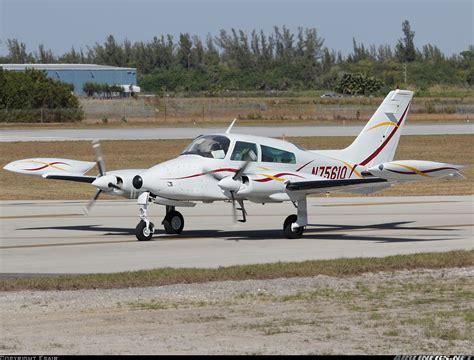
The Cessna 310: Pioneering Cessna’s Twin-Engine Legacy
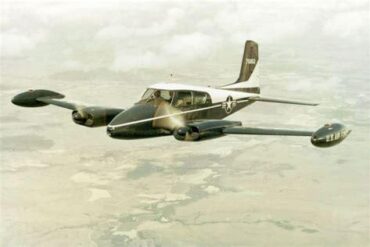
Introduced in 1953, the Cessna 310 marked the beginning of Cessna’s foray into the twin-engine market. As the first Cessna aircraft purpose-built for civilian use, the 310 quickly became a favorite among private pilots and business operators alike. It featured sleek, modern lines and tip tanks that not only increased range but contributed to its iconic silhouette.
The aircraft offered seating for up to five people and was powered by twin Continental engines, typically the IO-470 variant. With a cruising speed of over 180 knots and a range exceeding 800 nautical miles, the 310 provided impressive performance for its class.
Throughout its production lifespan ending in 1987, more than 5,600 units were produced, including both civilian and military variants. Owners appreciated its versatility and dependability. One notable story comes from Gale Cawley, who flew his 1965 310J across the United States, clocking in 400 flight hours before parting with the aircraft.
Its enduring reputation can be attributed to a combination of affordability, capability, and ease of handling, which made it a go-to aircraft for both novice twin-engine pilots and seasoned veterans.
The Cessna 414 Chancellor: Pressurized Comfort in the Sky
Launched in 1968, the Cessna 414 answered the market’s call for a pressurized, six-seat cabin-class twin. While originally known simply by its model number, the upgraded 414A variant received the name “Chancellor,” signaling its upmarket appeal and added amenities.
The 414 was powered by twin turbocharged Continental TSIO-520 engines, giving it a cruising speed of about 230 knots and a maximum altitude ceiling of 30,800 feet. This made it particularly attractive for instrument-rated pilots flying longer routes. Despite its solid IFR capability, pilots often described the aircraft as “a stable but heavy handler,” reinforcing its role as a solid performer rather than a sporty flyer.
Its spacious and quiet cabin made it a favorite among passengers, and its ample storage compartments—including a long nose section and optional wing lockers—provided extra practicality. Auxiliary fuel tanks were often installed, further enhancing its cross-country range.
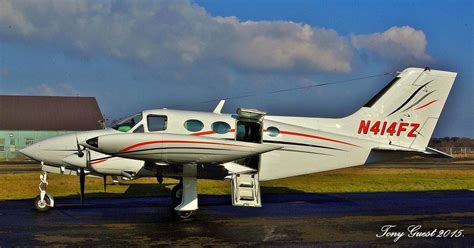
Although production ceased in 1985, the aircraft still maintains a strong presence in the used aircraft market, with many refurbished models offering modern avionics and interior upgrades.
The Cessna 340: The Entry-Level Pressurized Twin
When the Cessna 340 made its debut in 1972, it effectively bridged the gap between the unpressurized 310 and the more luxurious 414. Designed from the ground up to be a pressurized entry-level twin-engine aircraft, it was an immediate hit with pilots looking to graduate from single-engine piston aircraft to something more capable.
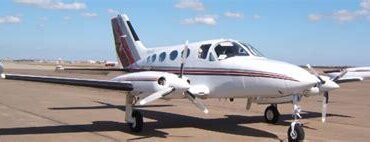
The 340 shared its tail and landing gear with the 310 but adopted a pressurized fuselage based on the 414’s cabin, combining affordability with practicality. It was typically powered by two Continental TSIO-520 engines, giving it cruise speeds around 230 knots and a range nearing 1,300 nautical miles.
Many considered the 340 to be one of the best trainers for pilots looking to get their start in the world of twin-engine pressurized aircraft. It provided high-altitude experience without overwhelming complexity. However, as the decade progressed, the market began to shrink, and production stopped in 1984 due to slumping sales and rising competition.
Despite its discontinuation, the 340 remains an ideal choice for budget-conscious twin flyers, balancing cabin comfort with robust engineering and the unique advantage of pressurization.
The Cessna 441 Conquest II: Twin-Turboprop Excellence
Stepping into the turboprop realm, Cessna introduced the 441 Conquest II in 1977, positioning it as a high-performance alternative to light jets. With seating for up to ten passengers and a fully pressurized fuselage, the Conquest II brought turbine power to the twin-engine market in spectacular fashion.
This aircraft was equipped with Honeywell (Garrett) TPE331-10N engines, known for their durability and fuel efficiency. Capable of cruising at 300 knots and flying up to 2,000 nautical miles, the 441 earned a reputation for outrunning some early private jets, especially on routes where jets required refueling stops that the 441 could bypass.
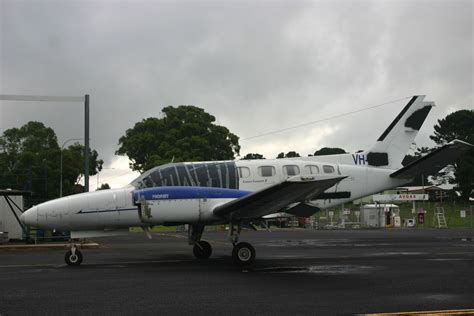
Pilots praised its excellent fuel economy, range, and reliability, often citing it as the crown jewel of Cessna’s twin-prop lineage. The cockpit was modern for its time, and many models today feature retrofitted glass panels, keeping them in high demand even decades after the last aircraft rolled off the line.
The 441 Conquest II stands out not only as a rare combination of power and practicality but also as a testament to Cessna’s ability to innovate beyond piston engines, delivering executive-class performance in a propeller-driven package.
The Cessna SkyCourier: Modern Utility with Dual Turboprops
The latest addition to Cessna’s twin-engine lineup, the Cessna SkyCourier, was first delivered in May 2022. Unlike its predecessors, the SkyCourier is all about utility, payload, and scalability. Designed from the ground up with the help of FedEx, it began life as a freighter before evolving into a passenger variant capable of accommodating up to 19 people.
Powered by twin Pratt & Whitney Canada PT6A-65SC engines, the aircraft boasts a range of over 900 nautical miles and an impressive maximum payload capacity of 6,000 pounds. Its rugged construction, fixed landing gear, and high-wing design make it particularly suited for rough-field operations and regional logistics.
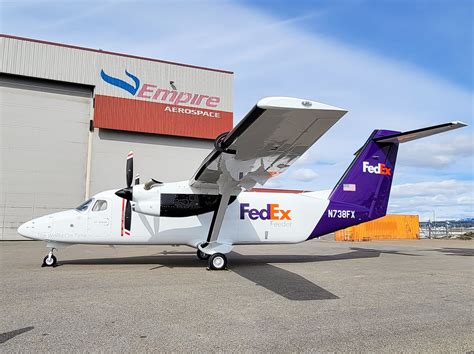
While it may lack the elegance or speed of some earlier Cessna twins, the SkyCourier excels in areas where modern regional aircraft often fall short: operating cost, reliability, and versatility. Textron Aviation’s commitment to this platform—alongside a growing order book—signals a strong future for twin-engine utility aviation, even in an era dominated by jets.
Conclusion: A Legacy of Dual Power and Enduring Innovation
From the classic lines of the 310 to the cutting-edge utility of the SkyCourier, Cessna’s history with twin-engine aircraft is both rich and diverse. These aircraft have served a multitude of missions, from executive transport and flight training to cargo hauling and high-altitude operations. They reflect a brand unafraid to evolve, taking bold steps from piston engines into the turboprop era.
Each aircraft in this list offers something unique: the 310’s pioneering status, the 414’s luxurious ride, the 340’s accessibility, the 441’s powerful turboprop performance, and the SkyCourier’s modern efficiency. What unites them is Cessna’s enduring commitment to quality, versatility, and engineering excellence—a commitment that continues to shape the skies for pilots and passengers around the world.