The twin-engine piston aircraft market, once a dominant segment in aviation, has seen a significant decline in recent decades. With the rise of high-performance piston singles, buyers have increasingly turned to simpler, more cost-effective alternatives. Nevertheless, the appeal of twin-engine aircraft remains, particularly for those seeking enhanced performance, safety, and capacity for both personal and commercial use. In this article, we take a detailed look at the current offerings in the twin-engine piston market, focusing on the key models that continue to capture the interest of aviation enthusiasts and buyers.
Market Evolution: From Dominance to Niche
The market for twin-engine piston aircraft was once a powerhouse, with models like the Beechcraft Baron and Piper Seminole representing the gold standard of small aircraft versatility. Over time, however, the landscape began to change. Piston singles, such as the popular Cessna 172 and Piper Archer, have offered comparable safety features, lower operational costs, and easier handling. As a result, the demand for twin-engine pistons has dwindled, and fewer manufacturers are producing new models in this category.
Despite these challenges, there are still several twin-engine piston aircraft that continue to attract attention for their innovative designs, performance capabilities, and utility. These aircraft serve niche markets, including flight schools, small business aviation, and specialized operations that require the redundancy and power offered by twin engines.
Key Players in the Twin-Engine Piston Market
While the market may be shrinking, a few noteworthy aircraft remain that demonstrate the versatility and reliability of twin-engine pistons. Below, we explore some of the most prominent models currently available, each offering a unique combination of performance, payload capacity, and range.
Beechcraft Baron G58: The Classic Twin
The Beechcraft Baron G58 remains one of the most popular models in the twin-engine piston category. Known for its robust performance and exceptional safety features, this aircraft is a favorite among flight schools and private owners alike.
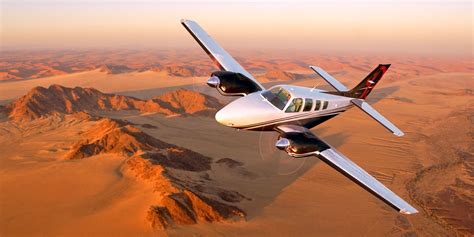
- Engine: Lycoming O-235-K2C
- Horsepower: 118 hp
- Max Takeoff Weight: 1,750 lbs
- Max Cruise Speed: 104 kias
- Range: 595 nm
The Baron G58 offers a smooth, reliable flying experience with a max operating altitude of 11,500 feet and a max climb rate of 704 fpm. It excels in both short and long-range flights, with an impressive useful load of 630 lbs, making it ideal for personal use and light commercial operations.
Diamond DA42-VI: The High-Performance Diesel Twin
The Diamond DA42-VI represents a shift toward more fuel-efficient, environmentally friendly aircraft. Powered by the Austro AE300 turbodiesel engines, the DA42 offers a perfect balance between performance and fuel economy.
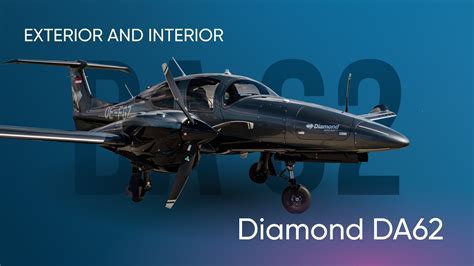
- Engine: Austro AE300
- Horsepower per side: 170 hp
- Max Takeoff Weight: 4,407 lbs
- Max Cruise Speed: 193 ktas
- Range: 1,273 nm
This aircraft’s lightweight construction, combined with its high-performance engines, makes it one of the most efficient aircraft in its class. The DA42-VI is favored by both commercial operators and private owners for its impressive fuel efficiency and range, as well as its advanced avionics suite.
Diamond DA62: The Versatile Seven-Seater
The Diamond DA62 is a perfect example of how the twin-engine piston category has evolved. With seating for up to seven passengers, this aircraft caters to those who need both performance and capacity. Powered by Austro AE330 turbodiesel engines, the DA62 offers remarkable range and speed for its size.
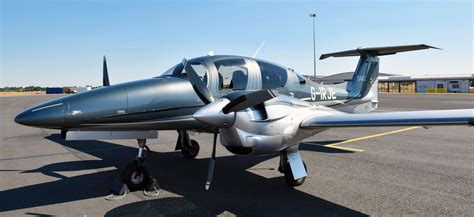
- Engine: Austro AE330
- Horsepower per side: 180 hp
- Max Takeoff Weight: 5,071 lbs
- Max Cruise Speed: 199 ktas
- Range: 1,345 nm
With its spacious cabin and exceptional performance, the DA62 is an ideal choice for families, corporate use, and air charter services. Its large fuel capacity and high climb rate make it a top contender for longer trips, particularly in regions with challenging weather conditions.
Piper Seminole: The Reliable Training Twin
The Piper Seminole has long been a favorite of flight schools, offering a reliable and versatile training platform. With a Lycoming O-360 engines powering the Seminole, it provides consistent performance and ease of handling for student pilots.
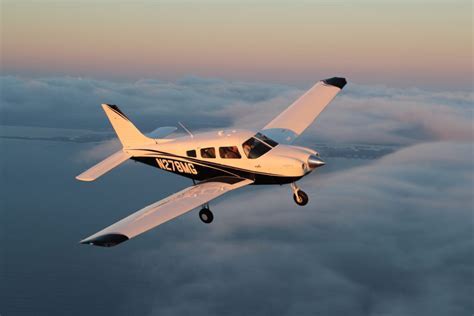
- Engine: Lycoming O-360-A1H6
- Horsepower per side: 180 hp
- Max Takeoff Weight: 3,800 lbs
- Max Cruise Speed: 169 ktas
- Range: 700 nm
Although primarily used as a trainer, the Piper Seminole is also well-suited for personal and commercial flying. Its spacious cabin and dependable performance make it an excellent choice for those seeking an affordable twin-engine aircraft for light transport or flight training.
Tecnam P2006T: A Rotax-Powered Alternative
The Tecnam P2006T represents a more modern approach to twin-engine piston aircraft, powered by Rotax 912-S3 engines. This aircraft offers excellent fuel efficiency and ease of maintenance, thanks to its use of Rotax technology.
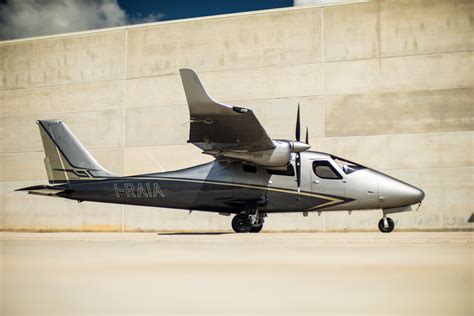
- Engine: Rotax 912-S3
- Horsepower per side: 100 hp
- Max Takeoff Weight: 2,712 lbs
- Max Cruise Speed: 150 ktas
- Range: 669 nm
This lightweight twin is often favored by flight schools and recreational pilots looking for a more affordable option without sacrificing safety and performance. It is particularly known for its agility, low operating costs, and the versatility it offers as a trainer or recreational aircraft.
Vulcanair P68R: A Robust Multi-Purpose Twin
The Vulcanair P68R is a workhorse in the twin-engine piston market, known for its durability and versatility. With a pair of Lycoming IO-360-A1B6 engines, the P68R is capable of carrying a significant payload while maintaining excellent performance.
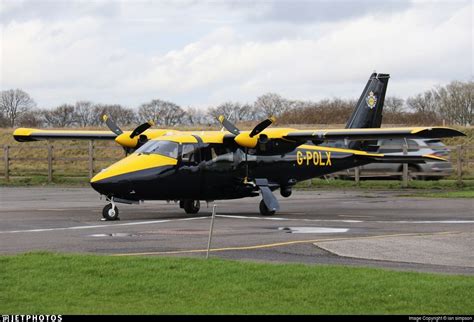
- Engine: Lycoming IO-360-A1B6
- Horsepower per side: 200 hp
- Max Takeoff Weight: 4,548 lbs
- Max Cruise Speed: 162 ktas
- Range: 890 nm
The Vulcanair P68R offers the kind of rugged reliability needed for commercial and utility flights, including surveillance, aerial mapping, and other specialized tasks. Its high useful load and large fuel capacity make it well-suited for operations in remote or rugged environments.
Conclusion: The Future of Twin-Engine Pistons
While the twin-engine piston market may not be as dominant as it once was, there is still significant value in these aircraft for specific use cases. Whether it’s the high-performance Diamond DA62 or the versatile Piper Seminole, twin-engine pistons continue to serve those who need the added safety and power that only two engines can provide. As the industry evolves, it will be interesting to see how manufacturers continue to innovate within this segment, offering new solutions for aviation enthusiasts and commercial operators alike.