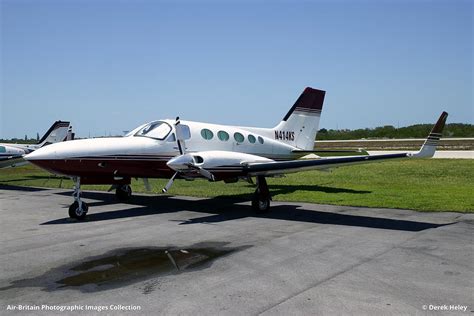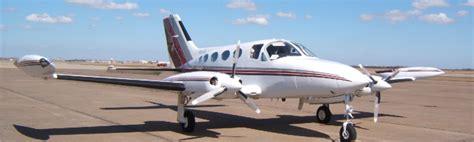
The Cessna 414, a hallmark of American general aviation design, remains one of the most distinctive and capable light twin-engine aircraft of its era. Conceived as a bridge between unpressurized light twins and the more complex turboprop and jet markets, the Cessna 414 stands out for its combination of pressurization, cabin comfort, and robust performance. Originally introduced in 1968 and produced through 1985, this aircraft continues to hold a revered place among private owners, charter operators, and aviation enthusiasts alike.
Evolution from Cessna 401 to 414A Chancellor
The Cessna 414 did not emerge in a vacuum. Its development was closely tied to previous and parallel models in the Cessna twin-engine family, particularly the Cessna 401 and Cessna 421. Utilizing the fuselage of the 421 and the wings of the 401, the 414 was Cessna’s answer to the demand for a pressurized light twin that could comfortably handle both personal and business transport roles.
First flown on November 1, 1968, the original Cessna 414 was powered by two Continental TSIO-520-J engines, each generating 310 horsepower. The aircraft featured a low-wing, cantilever monoplane design with retractable tricycle landing gear and room for six to eight occupants, depending on the chosen configuration.
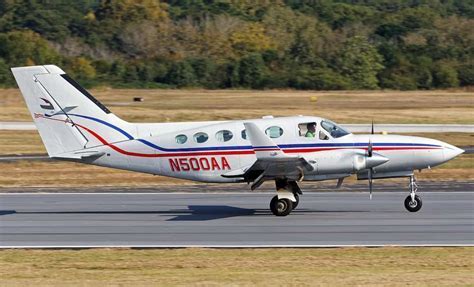
By 1978, Cessna introduced a significantly upgraded variant, the 414A Chancellor. This model incorporated several critical enhancements:
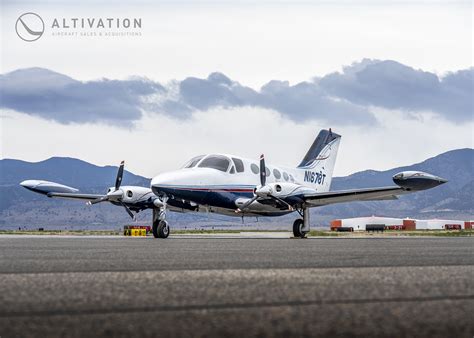
- A redesigned, longer-span wet wing without tip tanks, increasing both lift and fuel capacity.
- A lengthened nose to accommodate expanded baggage space.
- A narrower vertical stabilizer for improved aerodynamic performance.
- Upgraded powerplants: Continental TSIO-520-N engines, each still rated at 310 hp but tuned for smoother operation.
These changes contributed to better handling characteristics, increased range, and improved load distribution, making the 414A the more desirable version for serious operators.
Design Philosophy and Cabin Comfort
The core idea behind the Cessna 414 was to offer a pressurized cabin experience—a feature rare in piston twins at the time. This gave passengers a significant comfort advantage, especially at cruising altitudes of 10,000 to 20,000 feet, where unpressurized cabins typically require oxygen systems.
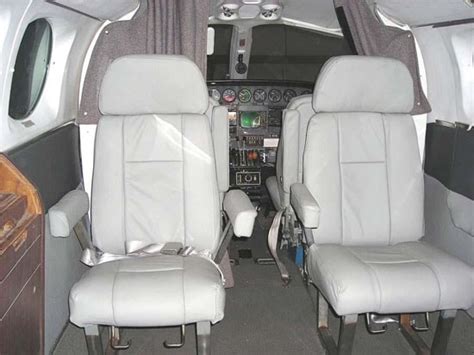
The cabin layout is adaptable, with seating configurations that can support six to eight passengers, and options for executive-style club seating. Interior appointments in well-maintained or refurbished models rival some modern light jets in terms of luxury. The cabin volume, combined with low noise levels and good climate control, made the Chancellor a frequent choice for air charter services.
Performance Profile and Specifications
When evaluating the Cessna 414’s flight performance, several characteristics stand out. The aircraft’s turbocharged engines deliver consistent power at higher altitudes, making it suitable for routes over mountainous terrain or long overwater legs.
Key Specifications (Cessna 414A Chancellor):
- Max Speed: 270 mph (235 knots) at 20,000 ft
- Cruise Speed: 211 mph (183 knots) at 10,000 ft (economy cruise)
- Range: 1,527 miles (1,327 nautical miles)
- Service Ceiling: 30,800 ft
- Rate of Climb: 1,520 ft/min
- Stall Speed: 83 mph (72 knots) with flaps
- Fuel Capacity: 213 U.S. gallons usable
- Max Takeoff Weight: 6,750 lbs
These performance attributes position the Cessna 414 as an extremely capable cross-country aircraft, balancing speed, range, and economy better than most other piston twins in its class.
Modifications and Modern Upgrades
The Cessna 414’s longevity in active fleets owes much to its versatility and upgradability. A wide array of Supplemental Type Certificates (STCs) support various performance and safety enhancements:
- RAM winglets improve climb rate and reduce fuel burn.
- Avionics upgrades include modern glass cockpits from Garmin and Avidyne, often integrated with advanced autopilot systems.
- Interior refurbishments can transform older Chancellors into bespoke luxury transports.
- Engine conversions, such as Thielert’s diesel piston packages, offer improved fuel efficiency using Jet-A instead of avgas.
One of the most intriguing experimental conversions was the Turbo Star Pressurized 414, developed in 1974 by American Jet Industries. This version utilized Allison 250-B17B turboprop engines, although it never entered mainstream production. Scenic Airlines later acquired the rights, but commercial viability remained limited.
Operational Roles and Use Cases
The Cessna 414 has found use in a diverse set of applications, from executive transport and air charter to more specialized roles in military and government sectors. While not deployed in large numbers for military use, the aircraft has been reportedly operated by air arms in the Bahamas and Lebanon, often as VIP or liaison aircraft.
Within the United States, many Part 135 operators used the aircraft extensively throughout the 1980s and 1990s, thanks to its pressurization, reliability, and relatively low operating costs. Even today, aircraft brokers report strong demand for well-maintained 414As, particularly those with engine and avionics upgrades.
A Tragic Chapter: The Keith Green Accident
Despite its reputation for safety, the Cessna 414 has not been immune to tragedy. One of the most somber incidents involving the aircraft occurred on July 28, 1982, when Christian musician Keith Green, along with 11 others—including his children—died in a crash shortly after takeoff in Texas. The NTSB investigation concluded the aircraft was overloaded, exceeding its seven-seat configuration with twelve occupants. The pilot also failed to properly calculate the aircraft’s weight and balance, leading to loss of control shortly after takeoff.
This event served as a cautionary tale in the aviation community and reinforced the importance of strict adherence to operational limits.
The Legacy and Market Outlook
Even decades after the end of its production run, the Cessna 414A Chancellor holds a unique and respected place in the general aviation ecosystem. It provides a rare blend of cabin pressurization, performance, and affordability, positioning it between the highest-performance piston aircraft and entry-level turboprops.
Aircraft with low airframe hours, updated interiors, and modern avionics regularly fetch high resale values on the secondary market. Owner-pilot communities, maintenance organizations, and STC providers continue to support the type actively, ensuring it remains a viable platform for years to come.
For those seeking an aircraft that offers jet-like cabin comfort, twin-engine safety, and a strong balance of operational economics, the Cessna 414A Chancellor remains a compelling choice.