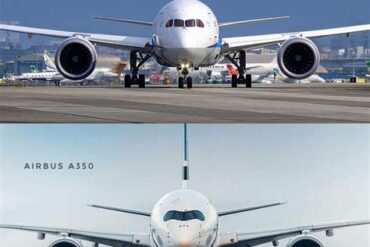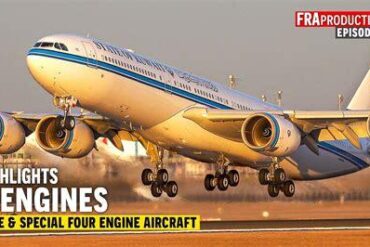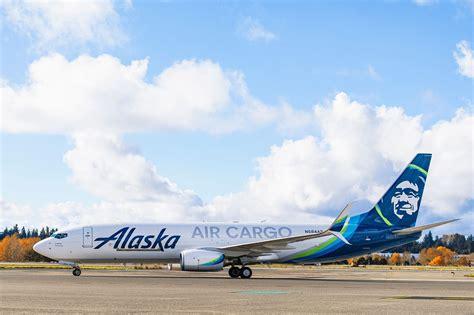
Cargo aviation operates in a world that looks deceptively similar to passenger travel but is governed by entirely different economic instincts. While travelers increasingly associate modern aviation with sleek twin-engine jets like the Boeing 787 or Airbus A350, the global cargo network continues to lean heavily on older, often four-engine aircraft that passenger airlines have already abandoned. At first glance, this seems counterintuitive. Why would an industry built on efficiency resist newer, more fuel-efficient technology?
The answer lies not in resistance to innovation, but in a deeper, more calculated understanding of what truly drives profitability in freight operations. Cargo carriers are not chasing passenger comfort, brand loyalty, or cabin aesthetics. They are focused on something far more fundamental: moving maximum payload at the lowest viable cost, with consistent reliability. Within that framework, the advantages of twin-engine aircraft—while real—do not always outweigh their limitations.
Understanding why cargo airlines still avoid fully embracing twin-engine replacements requires a closer look at the structural differences between freight and passenger business models, the unique operational demands of cargo logistics, and the enduring advantages of legacy aircraft that were never designed to be easily replaced.
The Cargo Airline Business Model: Built on Payload, Not Perception
Cargo airlines operate with a clarity of purpose that strips aviation down to its essentials. There are no premium cabins, no inflight entertainment systems, and no brand perception tied to passenger experience. Instead, the business revolves around payload capacity, operational reliability, and cost discipline.
Unlike passenger airlines, which must constantly refresh their fleets to remain competitive in the eyes of travelers, cargo operators are largely invisible to end consumers. Their customers—freight forwarders, logistics companies, and global supply chains—care about delivery times, pricing, and network reach. Whether the aircraft is five years old or thirty-five is largely irrelevant.
This creates a powerful incentive structure. Aircraft that have already been paid off or acquired at low cost can continue generating profit long after they would be considered obsolete in passenger service. A four-engine aircraft with higher fuel burn might still outperform a modern twin in overall profitability if its capital cost is dramatically lower.
In this environment, modernization is not a branding exercise. It is a calculation. And often, the math favors older jets.
Why Twin-Engine Efficiency Isn’t Always Enough
Twin-engine aircraft have revolutionized passenger aviation with their superior fuel efficiency, lower emissions, and reduced maintenance complexity. On paper, they seem like the obvious choice for cargo as well. Yet the reality is more nuanced.
Fuel efficiency, while important, is only one component of total operating cost. For cargo airlines, acquisition cost and payload capability often outweigh fuel savings, especially on routes where fuel represents a smaller proportion of overall expenses compared to capital investment.
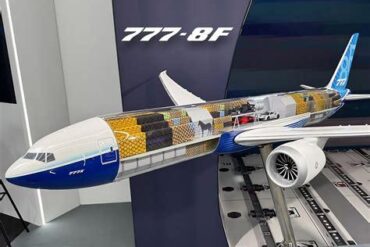
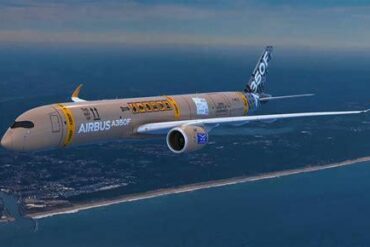
A new-build freighter like the Boeing 777F or upcoming Airbus A350F comes with a massive upfront price tag. Even with better fuel burn, it can take years—sometimes decades—to offset that initial investment. In contrast, an older aircraft acquired at a fraction of the cost can begin generating positive returns almost immediately.
This is where twin-engine aircraft face a paradox. They are technologically superior, but economically constrained by their price. For cargo operators, the question is not “Which aircraft is more advanced?” but rather “Which aircraft makes money faster and more consistently?”
The Enduring Strength of the Boeing 747 Freighter
The Boeing 747 remains one of the most compelling examples of why cargo airlines hesitate to fully transition to twin-engine fleets. Despite its age and four-engine configuration, it continues to dominate specific segments of the freight market.
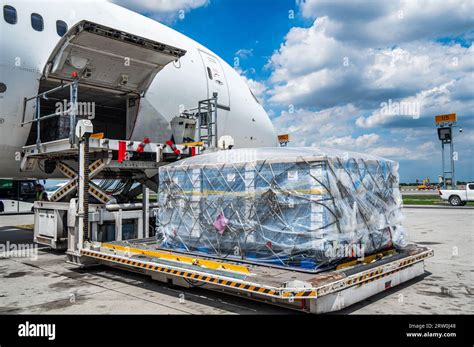
One of its defining advantages is its nose-loading capability, a feature unmatched by most twin-engine freighters. This allows operators to load oversized cargo—such as industrial machinery, aerospace components, or large vehicles—directly through the front of the aircraft. For certain industries, this is not just convenient; it is essential.
Beyond that, the 747 offers exceptional volumetric capacity. Its large fuselage enables operators to move massive quantities of cargo in a single flight, making it ideal for high-demand intercontinental routes and hub-based logistics networks.
While twin-engine aircraft like the 777F are more fuel-efficient, they lack some of the 747’s unique operational capabilities. As a result, the older aircraft continues to occupy a niche that newer designs have yet to fully replace.
Freighter Conversions: Extending the Life of Aging Aircraft
One of the most influential forces shaping cargo fleet decisions is the freighter conversion market. Instead of purchasing expensive new aircraft, many cargo airlines acquire used passenger jets and convert them into dedicated freighters.
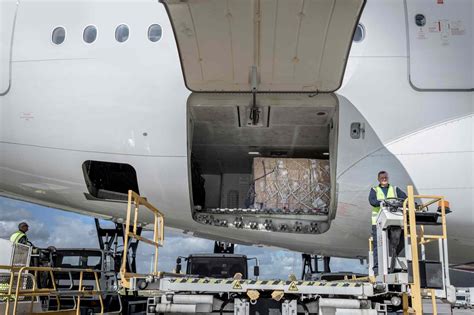
This process involves removing passenger interiors, reinforcing the floor structure, and installing large cargo doors. The result is an aircraft that may be decades old structurally but remains highly effective in a freight role.
The economics are compelling. A converted freighter can cost a fraction of a new-build aircraft while still delivering strong payload performance. For cargo airlines, this creates an opportunity to maximize return on investment while minimizing financial risk.
Aircraft like the Boeing 767, Boeing 737, and Airbus A321 have found new life through conversions, forming the backbone of many regional and express cargo networks. This steady supply of retired passenger jets ensures that cargo operators are rarely forced to invest in brand-new aircraft unless absolutely necessary.
Operational Flexibility Favors Proven Platforms
Cargo networks are designed around flexibility rather than frequency. Unlike passenger airlines, which rely on tightly scheduled, high-frequency routes, cargo carriers often operate in hub-and-spoke systems with nighttime sorting operations.
This operational model reduces the pressure to maintain a uniform, modern fleet. Older aircraft can be deployed strategically on routes where their specific strengths—such as capacity or range—are most valuable.
Moreover, cargo airlines can tolerate certain inefficiencies that passenger carriers cannot. A slightly higher fuel burn or older cockpit design does not impact customer satisfaction in the same way it would in passenger service. As long as the aircraft remains reliable and cost-effective, it continues to earn its place in the fleet.
This flexibility allows cargo operators to optimize aircraft usage based on mission requirements rather than technological trends, reinforcing the continued relevance of legacy platforms.
The Economics of Ownership vs. Efficiency
At the heart of the issue is a fundamental trade-off between ownership cost and operational efficiency. Twin-engine freighters excel in efficiency, but they come with high acquisition costs. Older aircraft, while less efficient, often have minimal ownership costs.
For cargo airlines, this creates a scenario where a less efficient aircraft can still deliver superior financial performance. The savings on capital expenditure can outweigh the additional fuel and maintenance costs, especially when fuel prices are stable or routes are optimized for shorter distances.
This dynamic is particularly important in a volatile industry where demand can fluctuate rapidly. Lower upfront investment provides greater financial resilience, allowing cargo carriers to adapt to changing market conditions without being burdened by heavy debt.
Why Passenger Airlines Move Faster Than Cargo Operators
Passenger airlines operate under constant pressure to modernize. Fuel efficiency, environmental regulations, and customer expectations all push them toward newer aircraft. A modern fleet is not just an advantage—it is often a necessity for survival in a competitive market.
Cargo airlines face a different reality. Their customers are less concerned with the type of aircraft being used and more focused on price, reliability, and capacity. This reduces the urgency to adopt new technology purely for its own sake.
As a result, cargo carriers can afford to take a more measured approach to fleet renewal. They adopt new aircraft when it makes economic sense, not when it aligns with industry trends or marketing narratives.
The Future: Gradual Transition, Not Sudden Replacement
The rise of new-generation freighters like the Airbus A350F and the continued success of the Boeing 777F indicate that twin-engine aircraft will play an increasingly important role in cargo aviation. However, this transition is likely to be gradual rather than abrupt.
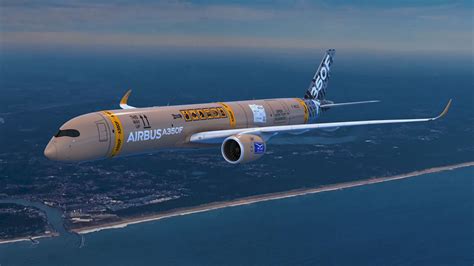
Legacy aircraft will continue to operate alongside newer models, each serving specific roles within a diversified fleet. High-capacity routes, specialized cargo missions, and cost-sensitive operations will still favor older platforms, while efficiency-driven routes will gradually shift toward modern twins.
Rather than a complete replacement, the future of cargo aviation will be defined by strategic coexistence, where airlines balance the strengths of both old and new aircraft to maximize profitability.
Conclusion: Profitability Defines the Fleet, Not Technology
Cargo airlines do not avoid twin-engine replacements out of reluctance or conservatism. Their decisions are grounded in a clear-eyed assessment of what drives value in their industry. While twin-engine aircraft offer undeniable advantages in efficiency and emissions, they are not always the most profitable choice.
Older aircraft, particularly those acquired at low cost or converted from passenger service, continue to deliver strong returns in a business where payload, flexibility, and cost control matter above all else. The enduring presence of aircraft like the Boeing 747 is not a sign of stagnation, but a reflection of a market that rewards practicality over prestige.
In cargo aviation, the best aircraft is not the newest one. It is the one that moves freight reliably, efficiently enough, and profitably—and for many operators, that still means holding on to the giants of the past while carefully integrating the innovations of the future.