A Revolutionary Twin-Engine Legacy: The Birth of the Piper Aerostar
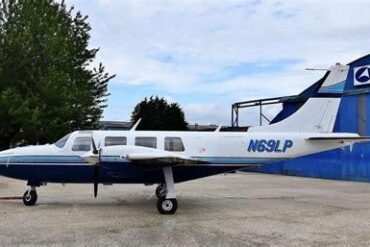
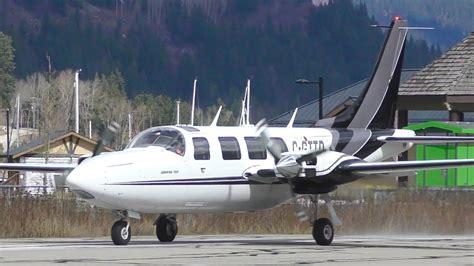
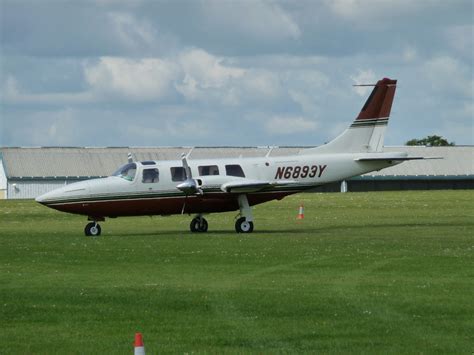
In the annals of American aviation history, few aircraft evoke the same admiration as the Piper Aerostar. Conceived by visionary aircraft designer Ted R. Smith, the Aerostar series reshaped the expectations for twin-engined, propeller-driven executive aircraft. First taking to the skies in December 1967, the Aerostar was a bold fusion of speed, efficiency, and cutting-edge engineering. Built through various corporate iterations from Ted Smith Aircraft Company to Piper Aircraft, this aircraft defied its light-transport classification by outperforming peers in both performance and design.
Initially launched as the Model 320 prototype—powered by twin 160 hp Lycoming IO-320 engines—the Aerostar quickly evolved through a series of performance upgrades, culminating in the Aerostar 600 with dual 290 hp IO-540-K engines. These enhancements were not merely incremental; they redefined what a six-seat private aircraft could accomplish.
From Prototype to Powerhouse: The Evolutionary Journey
Between 1966 and 1984, the Aerostar underwent significant transformations. The early prototypes—the 320, 360, and 400—served as the developmental bedrock for what would become a marvel in piston-powered aviation. The original manufacturer, Ted Smith Aircraft, saw multiple ownership changes, including a turbulent phase under American Cement and Butler Aviation, which led to a two-year production halt due to disagreements over manufacturing standards and a scrapped move to Texas.
It was Smith’s unrelenting commitment that reignited the Aerostar’s flame. In 1972, he regained control of the aircraft’s rights, forming Ted R. Smith & Associates, and launched a turbocharged variant: the Aerostar 601. By 1974, the 601P emerged, featuring full cabin pressurization, a crucial milestone that made the Aerostar viable for high-altitude, all-weather travel.
Despite Smith’s untimely death in 1976, the company was reborn as Ted Smith Aerostar Corporation, ensuring the continuation of his legacy. In 1978, the line was acquired by Piper Aircraft, ushering in a new era that saw the refinement and reissue of existing models—such as the PA-60-600A and 601B—as well as the introduction of the 602P “Sequoya”, boasting the first turbocharging system certified by its engine manufacturer.
Aerodynamic Brilliance: The Engineering Masterstroke
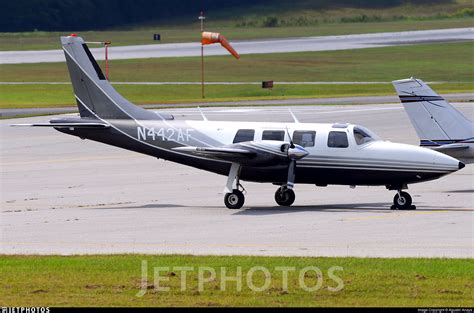
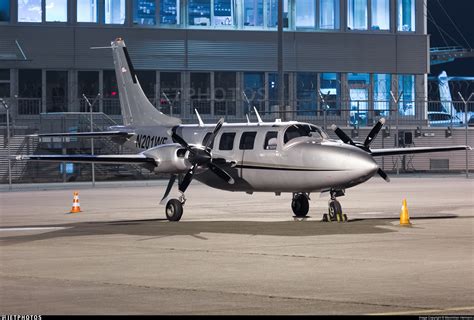
The Aerostar’s enduring appeal lies in its aerodynamic precision and innovative systems. It is a mid-wing cantilever monoplane featuring a sleek, low-drag profile and retractable tricycle landing gear. Unlike contemporaries burdened with design compromises, the Aerostar delivered a unique combination of high wing loading and advanced control mechanisms, ensuring superior handling and responsiveness.
Highlights of its engineering prowess include:
- Electro-hydraulic nose-wheel steering for precise ground handling.
- Electrically-operated remote fuel valves allowing for cleaner fuel management.
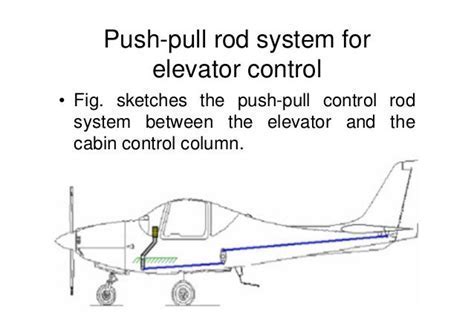
- Push-pull rod control systems that offered direct and responsive pilot input.
- Thick wing skins providing both strength and aerodynamic stability.
- Advanced engine cooling systems that eliminated the need for conventional cowl flaps.
Access to the cabin was granted via a single clamshell-style door, a signature feature of the model that maintained the aerodynamic integrity of the fuselage. However, the lack of a forward baggage compartment was one of the few design limitations, balanced out by its remarkable internal comfort and performance attributes.
Performance That Defied Convention
The Aerostar’s most compelling trait is raw performance. From its early models cruising at 220 knots (410 km/h) to the blistering 261 knots (483 km/h) top-end capability of the 700P, the Aerostar was a category leader. Designed for pilots who demanded turbine-like performance from piston engines, it provided unparalleled speed-to-cost ratio in its class.
Speed & Capability (Select Models):
- Aerostar 600: 2 × 290 hp engines, cruise speed 220 knots.
- 601P: Pressurized cabin, turbocharged, top speed 250 knots.
- 700P: Twin 350 hp Lycoming TIO-540-U2A engines, max speed 306 mph, service ceiling of 25,000 ft.
This performance wasn’t without risk. FAA accident studies between 1978 and 1982 recorded a 12.9 per 100,000 flight hour accident rate, with most incidents tied to engine failures during takeoff and challenging low-speed handling characteristics. In response, the FAA issued airworthiness directives in 1984 and 1988, targeting fuel system imbalances and door-ajar warnings that had become safety concerns.
Notable Variants: From Workhorse to Luxury Jet Aspirations
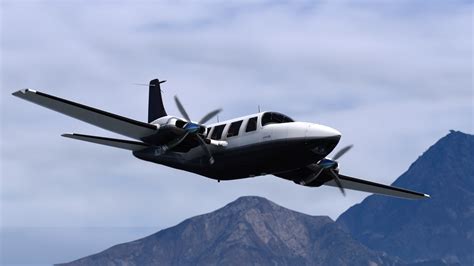
The Aerostar lineage encompasses an impressive array of variants and special projects that sought to push the aircraft’s limits further. Beyond the base 600-series, there were experimental efforts like the Aerostar 620, the 800, and a fascinating one-off Aerostar Jet conversion. Yet, the most widely recognized remain the core production models:
- 600 / 600A / 600E: Non-pressurized, high-speed piston twins.
- 601 / 601B: Turbonormalized versions with improved high-altitude performance.
- 601P: Pressurized model, 492 units built.
- 602P “Sequoya”: Turbocharged with engine-manufacturer certification, 124 units built.
- 700P: Ultimate production model with only 26 ever built, making it a collector’s gem.
Operational History: Speed, Prestige, and Tragedy
Few general aviation aircraft hold the closed-course speed record for piston twins, and the Aerostar proudly wears that badge. Its blistering cruise speeds, sleek design, and high-altitude range made it a favorite among corporate executives, private pilots, and even military and government operators.
However, its history is not without loss. Several high-profile incidents have shaped its legacy:
- On September 30, 1988, racing legend Al Holbert was killed flying a 601P due to a stall induced by a door opening mid-flight.
- On April 4, 1991, U.S. Senator John Heinz died in a tragic mid-air collision involving a helicopter during a nose-gear check.
- On January 4, 1995, world-renowned conductor Eduardo Mata perished after an engine failure shortly after takeoff in Cuernavaca, Mexico.
Each incident contributed to changes in regulatory standards, pilot training, and mechanical inspections, enhancing the aircraft’s operational protocols.
A Cult Classic with Enduring Value
Even decades after production ended in 1984, the Piper Aerostar maintains a cult following among aviation enthusiasts and professional pilots. It is revered not only for its technical sophistication, but also for its emotional appeal—a symbol of what piston aircraft could achieve before the rise of affordable turboprops and jets.
Modern conversions, such as the Super 700 and Speedstar 850, continue to upgrade vintage airframes with digital avionics, engine enhancements, and interior refurbishments, keeping the Aerostar airworthy and competitive. Restoration experts often note that no other aircraft from its era offers the blend of speed, style, and substance quite like the Aerostar.

Specifications Snapshot: Piper Aerostar 700P
- Crew: 1
- Capacity: 5 passengers
- Length: 10.61 m
- Wingspan: 11.18 m
- Empty Weight: 4,275 lb
- Gross Weight: 6,315 lb
- Engines: 2 × Lycoming TIO-540-U2A, 350 hp each
- Max Speed: 306 mph
- Cruise Speed: 242 mph
- Range: 1,024 mi
- Service Ceiling: 25,000 ft
- Climb Rate: 1,840 ft/min
Conclusion: A Timeless Innovation in Aviation History
The Piper Aerostar is more than a fast twin—it is a bold testament to aeronautical vision and engineering mastery. Ted R. Smith’s masterpiece redefined expectations and continues to captivate pilots with its unmatched combination of performance, reliability, and legacy. Whether roaring through the skies at 25,000 feet or gleaming on a private runway, the Aerostar remains one of the most iconic piston twins ever built.