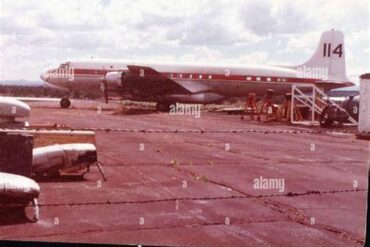
In an age where sleek composite jets dominate the skies, one aircraft remains a mechanical symphony of an older era: the Douglas DC-7, America’s final mainstream piston-engine propeller-driven airliner. Its four roaring radial engines once defined long-range commercial flight across the U.S., cutting across time zones with a thunderous grace that now only echoes through museum halls. As the last in a lineage of great piston-powered airliners, the DC-7 represents not just a technical milestone, but a symbolic end to the propeller age.
The Douglas DC-7: America’s Final Piston-Powered Giant
The Douglas DC-7 emerged in 1953 as the culmination of piston-engine airliner development. Designed to compete directly with Lockheed’s Super Constellation, the DC-7 was built for one purpose: nonstop coast-to-coast travel. This was the dawn of fast, efficient, long-range flights, and the DC-7 delivered.
Powered by four Wright R-3350 Duplex-Cyclone radial engines, the DC-7 could cruise at approximately 406 mph and had a range of around 3,635 miles. For the first time, passengers could fly from New York to Los Angeles without refueling, in just under eight hours. The cabin was quieter and pressurized, often offering sleeper berths for red-eye services.
It was, without question, the pinnacle of piston-engine passenger transport. But it was also a machine on borrowed time. Its moment of glory coincided with the rapid evolution of jet engine technology—progress that would soon make even the DC-7 obsolete.
The Engineering Marvel Beneath the Metal Skin
Every element of the DC-7 was a reflection of meticulous, cutting-edge design. The stretched fuselage, advanced control surfaces, and large fuel tanks represented the limits of what piston technology could offer. The aircraft was released in several variants:
- DC-7: Original model for domestic U.S. service.
- DC-7B: Improved version with better performance and fuel systems.
- DC-7C “Seven Seas”: Extended-range model for transatlantic and global routes.
Each was built around the same basic formula: raw power, high passenger capacity, and the ability to take on the world’s longest routes. But while impressive in performance, the DC-7’s engines were infamously temperamental. They overheated frequently and required constant, expensive maintenance. Pilots had to carefully manage engine temperatures during long flights or risk catastrophic failure.
The Rise of Jets: Why the DC-7 Was Doomed From the Start
The DC-7 arrived at a time of immense technological transition. Just four years after its debut, Boeing’s 707 jetliner first flew, followed closely by the Douglas DC-8. These new aircraft, powered by turbojets, offered:
- Faster cruise speeds (~600 mph vs. ~400 mph)
- Higher altitudes (jetliners flew above most weather)
- Lower maintenance costs
- Quieter and smoother rides
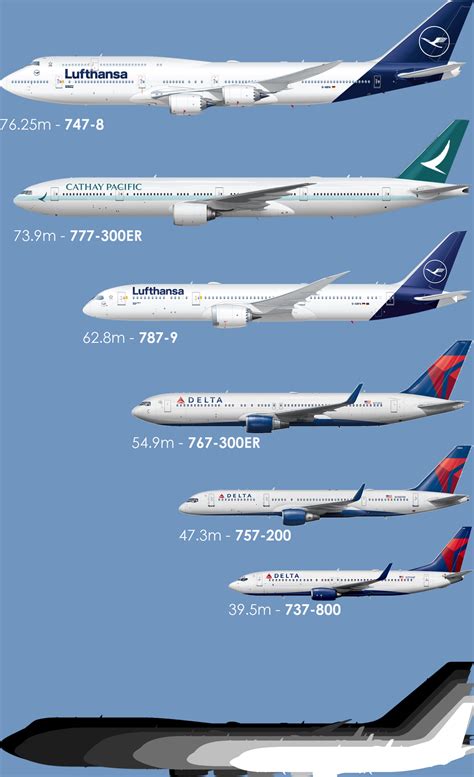
The comparison was not kind to the DC-7. Despite its brief dominance, it could not keep up with the superior economics and passenger appeal of jets. The jet age had begun, and piston aircraft, no matter how advanced, were relics in a new reality.
Airlines That Rode the Piston Thunder
The DC-7 found eager customers among major U.S. airlines. American Airlines, United, Delta, Eastern, and Braniff all integrated the aircraft into their fleets. International carriers from over 30 countries also adopted the model, using it to open up new markets and push the boundaries of commercial flight.
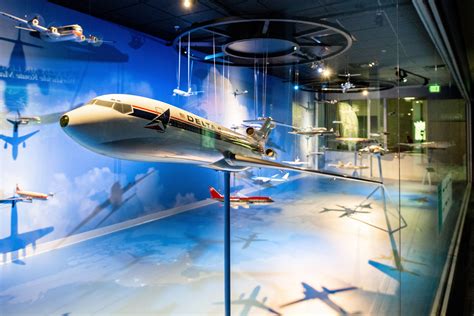
Delta, in particular, leaned heavily into the DC-7. Introduced in 1954, it allowed the airline to compete directly with the likes of TWA and Pan Am on longer domestic legs. Delta’s DC-7s remained in operation until 1968, by which point the company had fully transitioned to jets.
Sleepers, meal services, and even in-flight lounges were part of the DC-7 experience, reflecting the luxury expectations of 1950s travel. These aircraft weren’t just a mode of transport—they were part of a glamorous, elite experience.
Museums and Memory: Where the DC-7 Lives Today
Today, no DC-7s remain in commercial service, but several survive as static exhibits across the U.S. aviation museum landscape. Two of the most significant examples include:
- Delta Flight Museum, Atlanta: Housing a beautifully preserved DC-7B that flew for Delta in the 1950s.
- Pima Air & Space Museum, Tucson: Home to a United Airlines DC-7B later converted into cargo use.
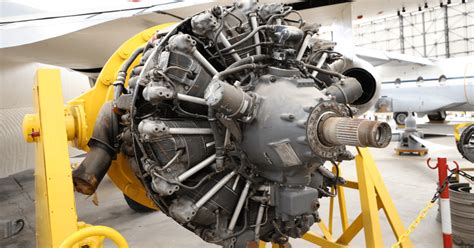
One of the most notable operational DC-7s in recent memory was “Tanker 60,” used for firefighting missions until its retirement in October 2020. Another historic airframe, a DC-7B registered N836D, was fully restored and flew again in the 2000s before being grounded in 2013 due to engine failure. Restoration efforts continue, but the complexity and cost of maintaining such vintage aircraft mean most now reside permanently on the ground.
The Military Sibling: Douglas A-1 Skyraider and Piston Power in Combat
While the DC-7 ruled commercial skies, another Douglas design—the A-1 Skyraider—was making piston-engine history in combat. Developed in the 1940s, the Skyraider was a single-engine attack aircraft known for its durability and massive payload.
The Skyraider became iconic during the Vietnam War, flying close air support and rescue missions even as jet-powered fighters dominated. It was the last U.S. combat aircraft powered by a piston engine, a testament to the reliability and flexibility of radial-engine platforms when raw power and loiter time mattered more than speed.
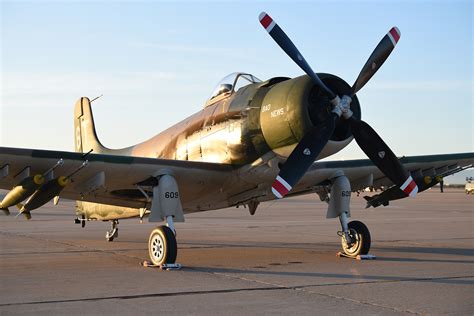
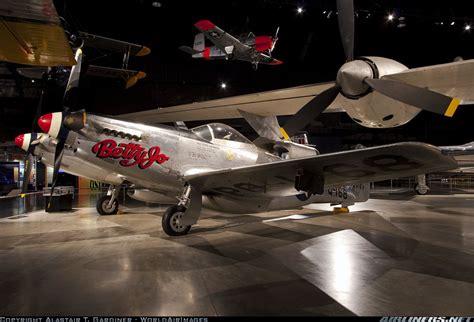
Adding to the historical quirk, the last known dogfight between piston-engine aircraft occurred in 1969 during the “Football War” between Honduras and El Salvador. In that clash, P-51 Mustangs and F4U Corsairs battled in the skies—an echo of World War II in the jet age.
The Ghost in the Hangar: A Legacy That Refuses to Die
Standing in the shadow of today’s composite-bodied jets, the Douglas DC-7 may seem like a ghost of the past. But its legacy is far from forgotten. Enthusiasts, restorers, and historians continue to keep its memory alive through museum displays, airshows, and literature.
These aircraft symbolize more than engineering milestones; they represent the raw ambition of an age when man and machine pushed the sky’s limits with cylinders, fuel, and fire. The DC-7 wasn’t just the last of its kind—it was a bridge between eras. Its brief reign reminds us that innovation often races forward in leaps, leaving behind beautiful machines that were never meant to last, but remain unforgettable.
In every rivet, in every blackened exhaust pipe, and in every leather-upholstered cabin seat preserved in amber, the DC-7 whispers stories of a time when piston power ruled the clouds. And while they may never fly again in commercial service, these aircraft continue to inspire awe, reverence, and deep respect among those lucky enough to stand in their towering shadow.
Closing Thoughts: The Final Roar of Piston-Powered Aviation
The Douglas DC-7 wasn’t simply an aircraft—it was a last hurrah. A steel titan flying across the sky with rotating props blazing against sunset horizons. It lived during a brief window of time when piston technology had reached its apex but before jets redefined the future.
Its disappearance wasn’t failure—it was evolution. Yet unlike many aircraft that faded quietly, the DC-7 still roars in our collective memory. Whether seen in a hangar, honored at an airshow, or remembered in stories, it reminds us of a generation of engineers and pilots who chased perfection through pistons. And in that pursuit, they gave us something truly extraordinary.