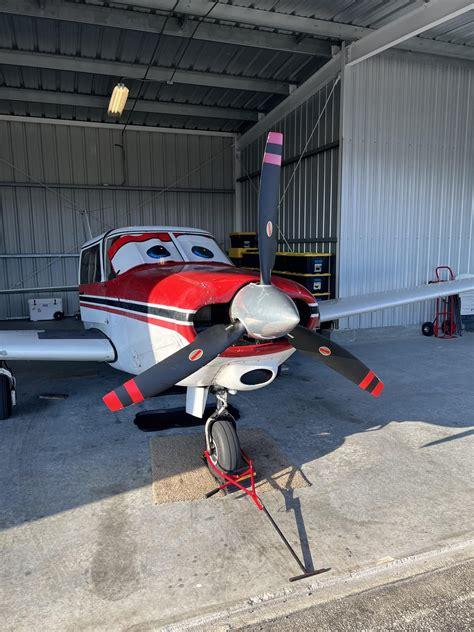
Understanding the True Cost of Painting a Single Engine Piston Aircraft
Repainting a single engine piston aircraft is not only a significant investment in aesthetics but also a critical factor in long-term aircraft preservation. The process involves more than just applying a fresh coat of paint — it includes extensive surface preparation, corrosion control, material quality decisions, and regional cost variances. Understanding the true cost behind this endeavor can help owners make informed decisions based on their aircraft type, paint preferences, and the labor market in their region.
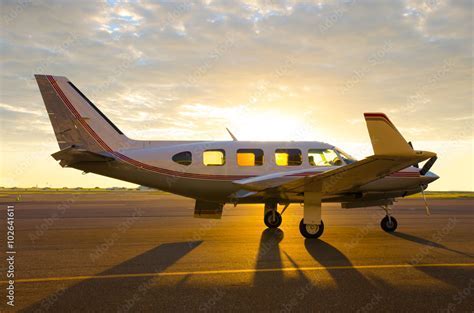
What Aircraft Owners Are Actually Paying
Across the United States, owners of single engine piston aircraft — particularly models like the Piper Comanche, Cessna 182, and Bonanza A36 — report quotes ranging from $13,000 to over $35,000, depending on variables such as location, shop reputation, materials, and labor complexity.
In Central Florida, a Comanche owner received multiple quotes between $15,000 and $20,000, which initially seemed high. However, in context, these quotes are well within reason. In fact, a professionally painted Comanche at a reputable facility in Mena, Arkansas was reported at $27,800, while the same shop painted a Cessna 182 for $21,500.
These higher-end quotes typically reflect meticulous labor practices, high-durability paint systems, and extended warranties. In contrast, shops offering prices below $15,000 may be omitting critical corrosion treatments or using less resilient coatings.
The Role of Paint Type and Quality
The type of paint system used has a profound effect on cost, durability, and appearance. Crider Aircraft Painting, one of the respected shops in the space, employs AcryGlo and JetGlo systems — high-end polyurethane coatings produced by Sherwin-Williams — often layered over AkzoNobel Matterhorn White primer.
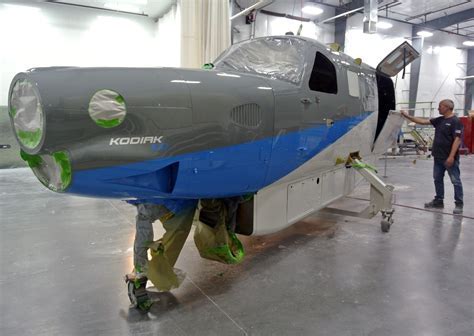
Crider and similar shops also allow owner-supplied paint, which can offer savings, though owners should ensure compatibility with the shop’s workflow and FAA guidelines. Some of the highest durability results come from multi-layer coatings with fade-resistant pigments and UV blockers, closely rivaling or surpassing OEM factory finishes.
Regional Price Variation Across the U.S.
Location plays a pivotal role in the final repaint quote. Based on compiled owner data:
-
Northeast U.S.: $25,000–$35,000
-
West Coast: $20,000–$25,000
-
Midwest & South: $15,000–$22,000
-
Florida: $13,000–$20,000 (select shops)
In one notable case, a KC-135 owner received a $29,000 quote including corrosion treatment, reinforcing that complex preparation significantly drives up costs, even for piston-class aircraft.
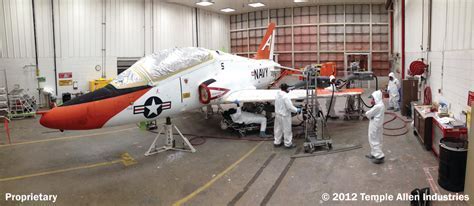
What You’re Really Paying For: Prep Work and Labor
The true labor investment in aircraft painting lies beneath the surface. Before any paint is applied, technicians must strip the existing finish, feather corrosion, clean, apply DeOx and alodine chemical treatments, and then prime. This stage can take several hundred hours, especially when including masking, control surface balancing, and panel disassembly.
Each of these steps contributes to labor hours, which are the single most expensive component in professional repainting. One user, Metalbasher324, noted that without meticulous corrosion mitigation and panel rebalancing, paint longevity and flight safety could be compromised.
Budget Routes and DIY Possibilities
For owners willing to take risks or conduct repainting outside the U.S., there are viable alternatives.
-
A Cessna 205 in the Dominican Republic was fully stripped, treated for corrosion, and custom-painted for $9,000, with FAA A&P oversight.
-
A twin Cessna was painted in Guatemala for $12,000, using an FAA-approved facility.
-
A DIY Cessna 170 repaint cost $2,500 in materials, but required 800 hours of labor, underlining the time commitment involved.
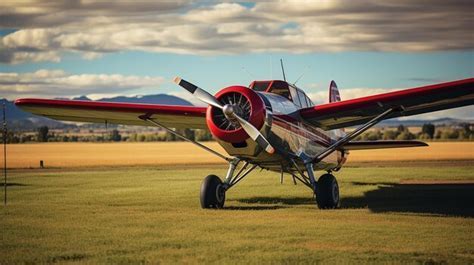
There are also reports of Bahamas and Mexico-based shops offering full repaints for under $10,000, though language barriers, warranty concerns, and FAA compliance should be evaluated thoroughly.
Hidden Costs: Paint Weight and Useful Load Impact
What many first-time repaint clients don’t realize is that paint adds weight — and every pound matters in general aviation. A full repaint can add 15 to 40 pounds, which may not seem significant until you consider useful load limitations in high-density altitude operations.
Shops using high-quality polyurethane often apply three to five layers, each one increasing the weight but also enhancing durability. Owners must weigh the aesthetic and longevity benefits against operational penalties.
How to Stretch the Life of Your Current Paint
Before committing to a full repaint, aircraft owners should consider intermediate care options:
-
Oxidation removal with professional buffing
-
Touch-up kits for chipped or flaking areas
-
Surface sealing with UV protectants
These steps can extend paint longevity by several years, especially if the aircraft is hangared and regularly cleaned. In some cases, owners have successfully delayed full repainting by 4–6 years with consistent paint maintenance.
Recommendations for Aircraft Owners
We recommend evaluating the following when considering a repaint:
-
Geographic flexibility: Traveling to a high-reputation shop can result in better value.
-
Material transparency: Ask for paint specs and whether corrosion treatments are included.
-
Experience verification: Inspect past jobs or ask for references.
-
Balance documentation: Ensure control surfaces are rebalanced and documented per FAA.
Cutting corners here can lead to regulatory issues, reduced resale value, and expensive remediation down the road.
FAQ
How much does it cost to paint a single engine piston aircraft in the U.S.?
Prices typically range from $13,000 to $35,000, depending on region, aircraft type, labor complexity, paint system used, and corrosion treatment needs. Shops in the Southeast or Midwest often provide the best value without compromising on quality.
Is it worth repainting an older plane or should I just buff and seal it?
If your aircraft’s paint is only oxidized and not flaking or harboring corrosion, buffing and resealing may extend its life several more years. However, if corrosion is present or paint is peeling, a full strip and repaint is recommended to preserve structural integrity.
Can I paint my own aircraft to save money?
Yes, but expect to spend several hundred hours, especially on preparation. A DIY job may cost under $3,000 in materials, but lack of experience can lead to poor adhesion, paint runs, or uneven coats. Always verify compliance with FAA airworthiness standards, especially for control surfaces.