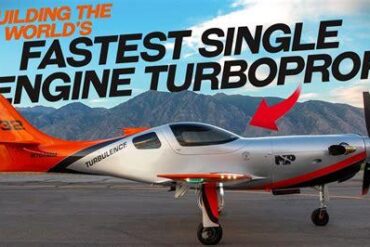
Single engine turboprops have gained significant traction in the aviation industry, providing an attractive alternative to traditional piston-engine aircraft. These aircraft combine the benefits of turbine engine reliability with the performance characteristics required by both commercial and private operators. Whether for business, cargo, or utility, the single engine turboprop has evolved into a versatile and efficient option for those seeking a powerful aircraft that balances cost-effectiveness with superior performance.
What Makes Single Engine Turboprops Stand Out?
The single engine turboprop aircraft category has grown considerably, especially as buyers look to upgrade from piston-engine models. The main attraction lies in the turbine engine’s efficiency, reduced maintenance costs, and superior performance capabilities. A single turbine engine can provide higher reliability and greater overall utility, allowing these aircraft to fly at higher altitudes and faster speeds compared to piston-powered aircraft of similar size.
One of the standout features of single engine turboprops is their ability to operate in more challenging environments. With the right equipment, these aircraft can handle short takeoffs and landings, making them ideal for remote locations where larger aircraft might struggle. This capability makes them especially popular in sectors like humanitarian aid, air charter services, and regional cargo transportation.
The most prominent models in this category include the Pilatus PC-12 NG, TBM 910, Cessna Grand Caravan EX, and the Piper M600, each offering distinct advantages depending on the mission requirements.
Leading Models in the Single Engine Turboprop Market
Pilatus PC-12 NG
Arguably one of the most well-known models in this category, the Pilatus PC-12 NG combines a robust design with outstanding performance specifications. Powered by the PT6A-67P engine, the aircraft delivers 1,200 shp (shaft horsepower) and reaches a maximum cruise speed of 285 ktas. With a range of 1,845 nautical miles, it’s capable of flying longer distances without refueling, making it ideal for business executives and private owners who need both comfort and performance.
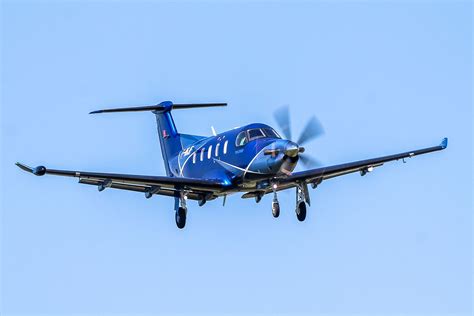
The Pilatus PC-12 NG is not just about speed; its excellent climb rate of 1,920 fpm (feet per minute) allows it to ascend to altitudes of up to 30,000 feet. Coupled with its 402-gallon fuel capacity, it’s a true long-range contender in the single engine turboprop class.
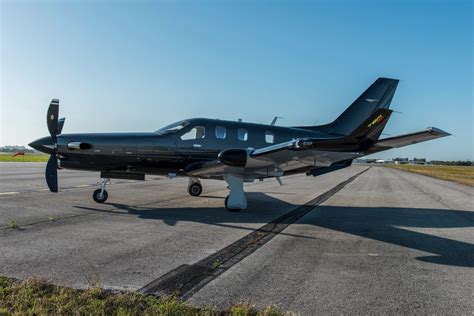
Daher TBM 910 and TBM 940
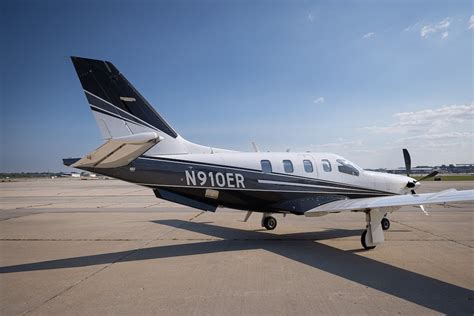
Both the Daher TBM 910 and its more advanced sibling, the TBM 940, represent the epitome of high-performance single engine turboprops. With an engine rating of 850 shp from the PT6A-66D engine, both models excel in speed and climb rate. The TBM 910 boasts a max cruise speed of 330 ktas, and the TBM 940 provides an almost identical performance with slight improvements in avionics and operational efficiency.
Both aircraft are known for their 2,400 fpm climb rate, allowing them to reach altitudes of 31,000 feet quickly. These aircraft are often chosen for their high-speed capabilities, making them ideal for time-sensitive business travel.
Cessna Grand Caravan EX
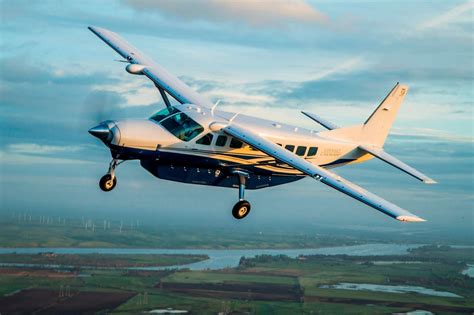
The Cessna Grand Caravan EX is a powerhouse in the utility aircraft segment. With a PT6A-140 engine providing 867 shp, this aircraft is a leader in the segment due to its robust performance and versatility. Capable of carrying 10 to 14 passengers, it is favored by commercial operators, especially in regional and remote area air services. The aircraft’s 1,275 fpm climb rate and maximum altitude of 25,000 feet make it an excellent choice for challenging operations.
Piper M500 and M600
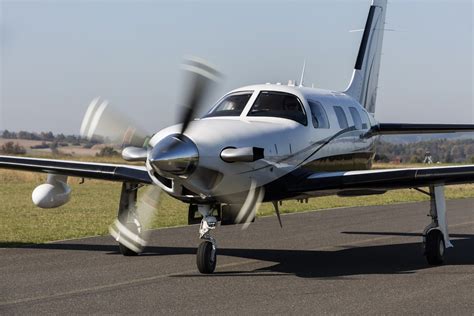
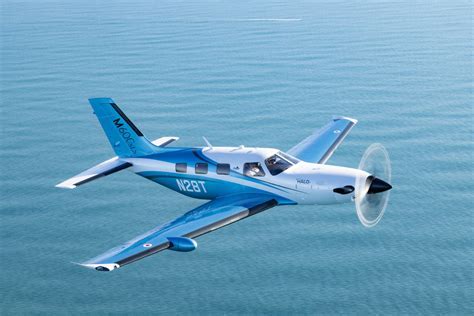
Piper’s M500 and M600 models offer a combination of speed, efficiency, and luxury. Both aircraft feature the PT6A-42A engine, producing 500 shp in the M500 and 600 shp in the M600. These aircraft have a range of up to 1,484 nautical miles in the M600 and are designed to provide a smooth flying experience for both private owners and commercial operators.
With cruise speeds reaching 260 ktas in the M500 and 274 ktas in the M600, both aircraft offer excellent time savings on longer routes. Their Piper M600 variant, in particular, is a favorite among owners looking for luxury coupled with solid performance.
Performance Characteristics and Efficiency
The single engine turboprop category includes aircraft that are not just fast but also efficient. Most models are capable of impressive climb rates, often exceeding 2,000 feet per minute, and can maintain high cruising altitudes, usually between 25,000 and 31,000 feet. This altitude capability provides superior fuel efficiency and the ability to avoid turbulent weather often found at lower altitudes.
In terms of fuel efficiency, turboprops generally perform better than jet engines at lower altitudes, especially on shorter trips. The ability to utilize both Jet-A fuel and a turbine engine means lower fuel consumption and fewer refueling stops on regional and cross-country flights.
Versatility and Applications
While performance is a key factor, versatility remains a core selling point for single engine turboprops. Their ability to operate on shorter runways, their rugged design, and ability to transport both cargo and passengers efficiently make them essential in a variety of sectors. These include:
- Business Aviation: The Pilatus PC-12 NG, with its luxurious interior and long-range capabilities, is a favorite among business travelers seeking efficiency.
- Cargo and Transport: Aircraft like the Cessna Grand Caravan EX and Quest Kodiak 100 are ideal for freight and cargo, able to reach remote locations while carrying significant loads.
- Search and Rescue Operations: Many models in the single engine turboprop category, such as the Quest Kodiak 100, are tailored for missions that require short-field performance and reliability.
Considerations for Buyers
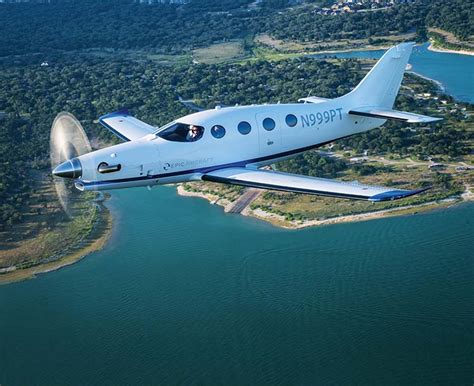
When choosing the right single engine turboprop, buyers must consider a variety of factors, including range, payload capacity, and maintenance costs. The aircraft’s purpose—whether for private use, business, or commercial operations—will largely dictate the optimal model. For example, buyers seeking speed and long-range capabilities might lean towards models like the Daher TBM 940 or the Epic E1000, while those prioritizing utility and short-field performance could find the Cessna Grand Caravan EX or Quest Kodiak 100 to be a better fit.
Conclusion
The single engine turboprop market continues to evolve, offering a range of options that meet diverse operational needs. From high-speed, high-altitude models like the Daher TBM 910 to rugged utility aircraft like the Cessna Grand Caravan EX, there is a turboprop for every mission. As technology advances, these aircraft are becoming more efficient, versatile, and accessible, ensuring that the future of aviation is well within reach for those who seek it.