Founded on August 19, 1969, by a legal decree from the Brazilian government, Embraer began as an audacious national project designed to transform Brazil into a modern aerospace hub. With operations officially kicking off on January 2, 1970, the company entered the aviation world at a pivotal time when global air travel was expanding rapidly. What started as a modest initiative to produce regional turboprops quickly evolved into one of the most remarkable success stories in the aerospace industry.
The Bandeirante: Embraer’s Humble Beginnings
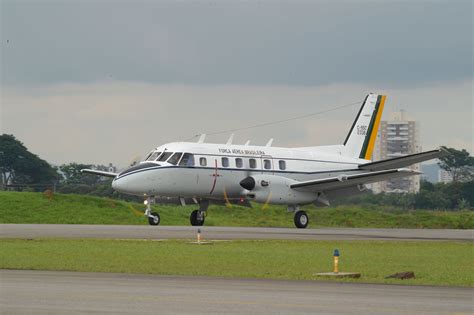
Embraer’s first aircraft, the EMB 110 Bandeirante, was a reflection of Brazil’s pragmatic aviation needs. This turboprop plane, designed to carry 15 to 21 passengers, was versatile and reliable, built for both civilian and military applications. Designed by engineer Ozires Silva, who would later become Embraer’s first president, the Bandeirante was the cornerstone upon which Embraer’s legacy was built. Its success ensured the company’s survival during the uncertain early years and established its reputation for producing rugged, high-performance regional aircraft.
The Xavante: Brazil’s First Jet
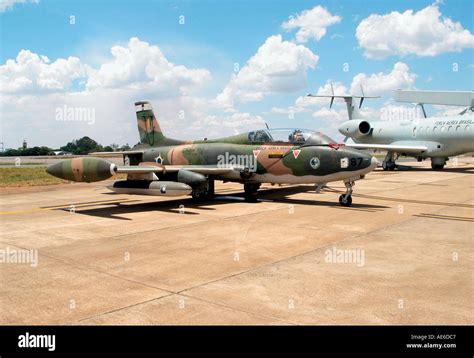
After proving its capabilities with turboprops, Embraer made a bold leap into jet manufacturing. In partnership with the Italian aerospace company Aermacchi, Embraer began licensed production of the EMB 326 Xavante, a military trainer jet. On September 7, 1971, the Xavante became the first jet aircraft ever manufactured in Brazil. A total of 182 units were produced, with 167 delivered to the Brazilian Air Force, making it a vital part of the country’s defense and pilot training program.
Despite being based on a foreign design, the Xavante was a major milestone. It laid the technological and operational foundation Embraer needed to develop more sophisticated platforms and boosted national confidence in Brazil’s ability to join the elite circle of countries producing jets.
International Collaboration and the AMX Program
In the 1980s, Embraer deepened its collaboration with Italian aerospace giants Aermacchi and Alenia to co-develop the AMX, a single-engine, subsonic fighter jet specialized for ground-attack missions. Designed with NATO compatibility in mind, the AMX project marked Embraer’s evolution from a license-builder to a true aerospace design authority.
This joint venture provided Embraer with hands-on experience in the design, engineering, and systems integration of advanced military aircraft. The project was a proving ground for the company’s capabilities in international project management, technology sharing, and adapting to diverse military requirements.
The Setback That Sparked Reinvention: CBA 123 Vector
Not all of Embraer’s ventures were successful. The CBA 123 Vector, developed in the early 1990s with Argentina, was an ambitious turboprop aircraft featuring cutting-edge avionics and a pusher configuration. However, it was ahead of its time. Market interest was low due to its high cost and economic instability in the region.
Although the Vector never entered mass production, its failure was a valuable learning experience. It forced Embraer to reevaluate its market strategy and to focus more acutely on the growing demand for regional jets. This pivot would change the company’s future.
The ERJ 145: Embraer’s Game Changer
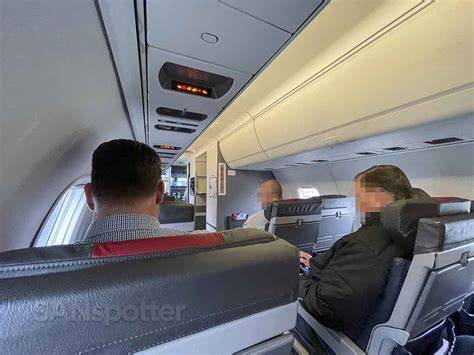
Out of the ashes of the CBA 123 rose the ERJ 145, a regional jet that would catapult Embraer onto the world stage. With twin engines and a 37-50 passenger capacity, the ERJ 145 was tailored for short to medium-haul routes and was priced competitively against turboprops. Its fuel efficiency, speed, and comfort made it a favorite among regional airlines in North America, Europe, and Asia.
This aircraft wasn’t just a success; it was a phenomenon. It gave rise to a family of jets, including the ERJ 135, ERJ 140, and the enhanced ERJ 145XR, which extended the aircraft’s range significantly. By the late 1990s and early 2000s, Embraer had emerged as a dominant player in the regional jet market, second only to Bombardier at the time.
Dual Identity: Commercial and Military Innovation
While commercial success brought global acclaim, Embraer continued to expand its military footprint. Leveraging its design experience, Embraer adapted the ERJ 145 platform into the EMB 145 ISR, an airborne surveillance and intelligence aircraft. Functioning akin to a mini-AWACS, it offered cost-effective strategic capabilities to nations that couldn’t afford larger, more complex systems.
This dual-track innovation strategy—focusing both on civilian and defense markets—gave Embraer a resilient business model that could weather economic fluctuations in either sector.
The Executive Jet Era: Legacy and Phenom
In the early 2000s, Embraer made another bold move—into the luxury market. Recognizing the demand for small and midsize business jets, the company launched the Legacy series, based on the ERJ platform, followed by the smaller Phenom 100 and 300.
These jets quickly became favorites among business travelers and private owners. The Phenom 300, in particular, achieved industry-leading sales, often ranked as the best-selling light jet in the world. Embraer’s success in this market was not merely due to product quality, but also its customer-centric approach, offering lower operating costs, spacious cabins, and innovative cockpit technology.

Modern Marvels: KC-390 and E2 Family
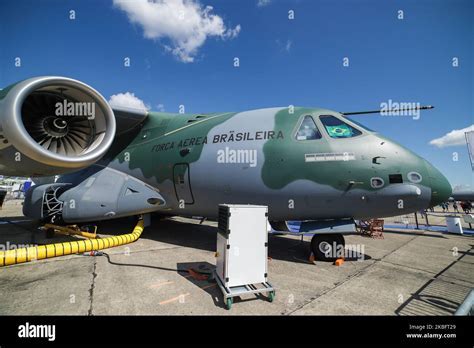
By the mid-2010s, Embraer unveiled some of its most advanced projects yet. The KC-390, a twin-engine military transport aircraft designed to rival the Lockheed C-130 Hercules, had its first flight in 2015. Featuring jet propulsion, fly-by-wire controls, and a fully pressurized cargo hold, the KC-390 represented Embraer’s ambition to dominate not just regional airspace but also global tactical airlift markets.
In 2016, Embraer introduced the E190-E2, the next-generation version of its popular E-Jet family. With new Pratt & Whitney geared turbofan engines, improved aerodynamics, and fly-by-wire systems, the E2 series was more fuel-efficient and environmentally friendly. These advancements positioned Embraer as the leader in the 100-seat regional jet market, outpacing competitors in performance, comfort, and cost-efficiency.
Eyeing the Future: Urban Air Mobility and eVTOLs
In 2017, Embraer further demonstrated its commitment to innovation by signing a partnership with Uber to explore eVTOL (electric Vertical Take-Off and Landing) aircraft. This initiative, part of the EmbraerX division, aims to redefine urban mobility by reducing congestion and offering quick, electric-powered transportation within cities.
While still in the prototype and testing phase, this move shows Embraer’s strategic foresight and willingness to enter emerging markets. With its engineering know-how, it is well-positioned to be a leader in the future of aerial urban transit.
A Global Footprint and Enduring Legacy
Today, Embraer is a truly global company. It employs 18,000 people worldwide and has delivered over 8,000 aircraft. The company operates manufacturing and service facilities in countries including Brazil, the U.S., Portugal, Ireland, France, the UK, UAE, Singapore, and China. Its dual commercial and defense portfolio allows it to maintain strategic balance, while its executive jet segment provides high-margin growth opportunities.
From its humble beginnings with the Bandeirante to cutting-edge developments in jet transport, ISR aircraft, and eVTOL systems, Embraer exemplifies how visionary thinking and pragmatic engineering can transform a regional manufacturer into a global aerospace titan.